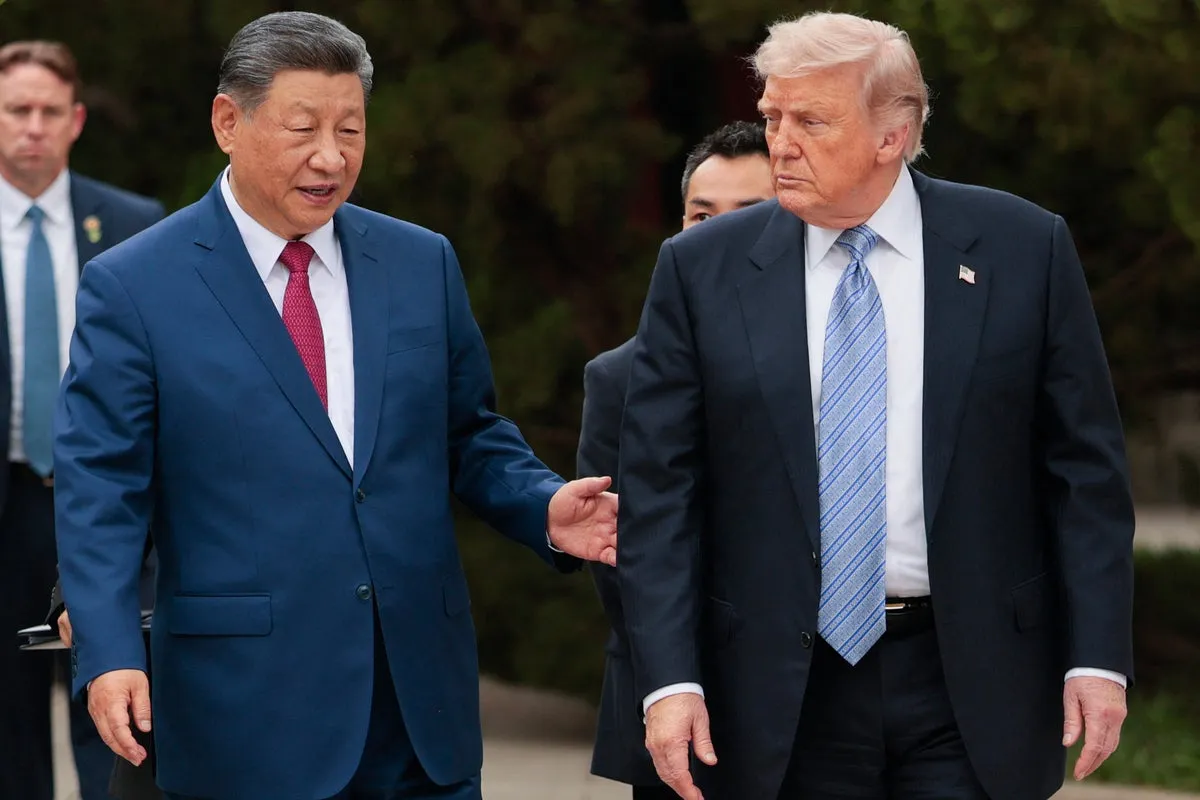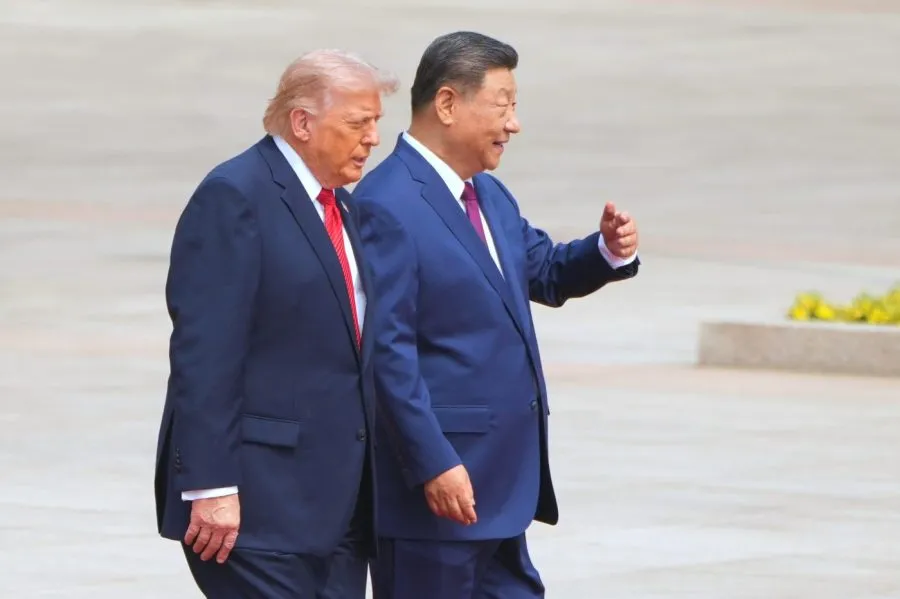
If you ever wanted to see what a billionaire-studded diplomatic road trip looks like, Thursday's bilateral summit between President Donald Trump and Chinese President Xi Jinping in Beijing gave us a pretty solid preview.
According to reporting by The Hill, Trump opened the meeting by leaning hard into two things he clearly loves: deal-making and showing off. In his opening remarks, the president emphasized cooperation with China, stressed his personal friendship with Xi, and - because of course he did - made a point of boasting about the sheer size of the American delegation he dragged along for the trip.
The guest list reads like a Forbes cover
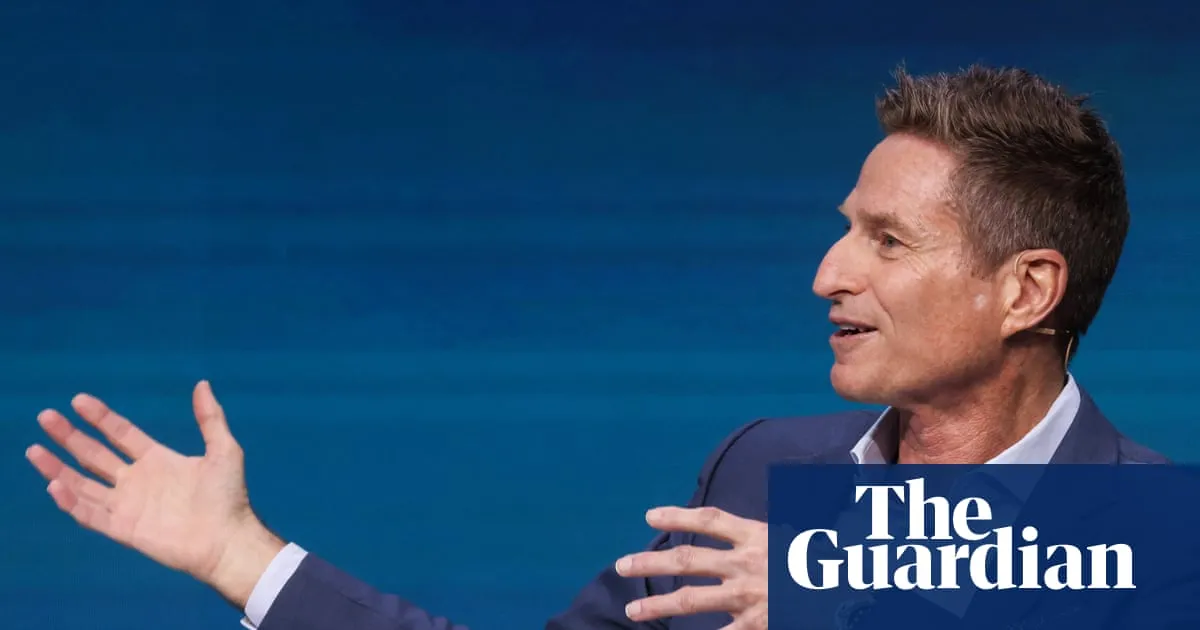
This wasn't your standard diplomatic entourage. Trump reportedly brought some of the heaviest hitters in corporate America, including Apple CEO Tim Cook, Tesla and SpaceX chief Elon Musk, and Nvidia's leadership. Essentially, if your company has a market cap bigger than most countries' GDP, you probably got a seat on the plane.
The move signals that Trump is framing this summit less as a geopolitical chess match and more as a high-stakes business negotiation - which, to be fair, has pretty much been his signature diplomatic style since day one of his first term.
Friendship on the menu, trade war on the back burner
The tone of the opening was notably warm, with Trump highlighting the cooperative angle of the US-China relationship rather than leading with grievances. This comes after months of tariff turbulence and economic tension between the two superpowers that had markets rattled and supply chains sweating.
Whether the friendly opener translates into anything concrete - like trade deal progress, tech restrictions relief, or something involving all those executives sitting in the room - remains to be seen. Diplomatic openings are famously optimistic, and the gap between "we're friends" and "here's a signed agreement" tends to be... significant.
What this actually means
Bringing CEOs of major US tech companies to a meeting with China's top leadership is a deliberate signal. These are companies with enormous stakes in the Chinese market, from Apple's manufacturing dependencies to Nvidia's chip sales. Their presence suggests the Trump administration is at least entertaining the idea of softening some of the harder edges of the US-China tech rivalry - though no concrete policy shifts have been confirmed from the opening remarks alone.
For now, the summit is underway, the handshakes have happened, and somewhere in Beijing, Tim Cook is probably trying to figure out whether he can expense the trip.