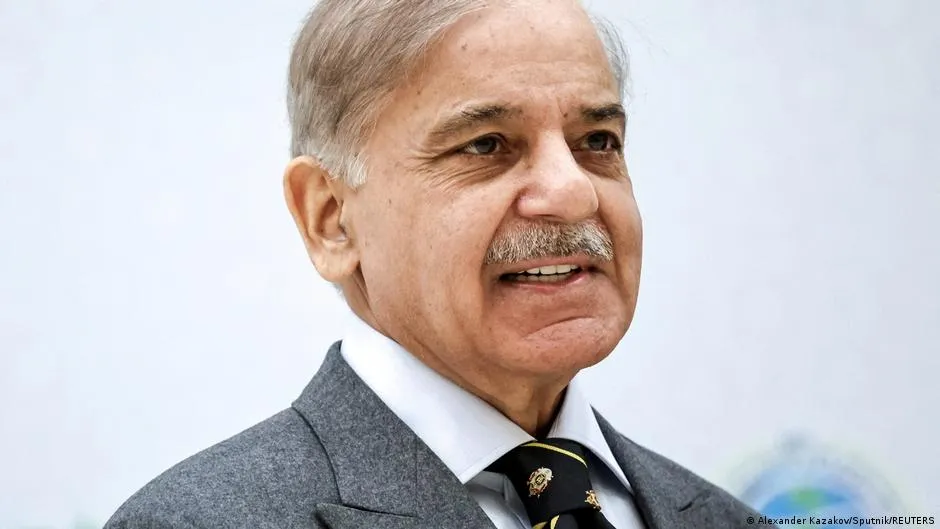
If you have ever paid off one credit card with another, congratulations - you now understand Pakistan's macroeconomic strategy. According to a report by DW, Pakistan has secured a $3 billion deposit from Saudi Arabia at a moment that can only be described as financially cinematic: the country is preparing to repay a $3.5 billion loan to the United Arab Emirates.
The numbers, the vibes, and the geopolitics
The timing here is not subtle. Islamabad is essentially catching a Saudi rope while dangling over a UAE-shaped cliff. The funding is expected to help stabilize Pakistan's foreign reserves, which have had a rough few years - to put it as gently as possible. Pakistan has been navigating one of its most turbulent economic stretches in recent memory, leaning heavily on the IMF, friendly Gulf states, and what one can only assume is a very stress-tested finance ministry.
DW reports that the deal also signals deepening ties between Riyadh and Islamabad, a relationship that has historically blended religious solidarity, labor migration economics, and good old-fashioned strategic interest. Saudi Arabia has long been one of Pakistan's most reliable financial backstops, and this latest deposit continues that tradition.
Why this actually matters beyond the memes
Foreign reserves are not just a number on a spreadsheet - they are the buffer that keeps a country able to pay for imports, service external debt, and avoid the kind of currency freefall that turns an economic crisis into a humanitarian one. Pakistan's reserves have been uncomfortably thin, and any injection of confidence - literal or figurative - matters.
The $3 billion deposit does not erase Pakistan's structural economic challenges, but it buys breathing room. Think of it as a financial inhaler: it does not cure the underlying condition, but it keeps you functional enough to keep walking.
What comes next
With the UAE repayment looming, Pakistani authorities will be hoping this Saudi cushion absorbs the blow without too much turbulence. The broader question - how Pakistan stabilizes its economy over the long term rather than cycling through emergency deposits - remains very much open. But for now, Islamabad gets to exhale, at least briefly.
As DW notes, the relationship between Pakistan and Saudi Arabia continues to deepen, which suggests this may not be the last time Riyadh plays the role of financial first responder. Whether that is reassuring or slightly concerning probably depends on which side of the ledger you are sitting on.