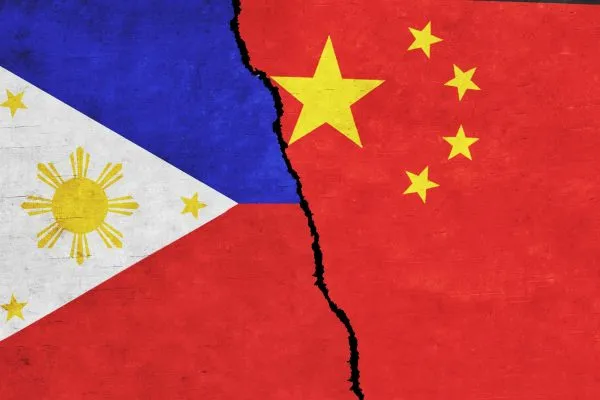
The Philippines has stated that any joint oil exploration it undertakes with China in the South China Sea must conform to the country's constitution, signaling that Manila intends to protect its sovereign rights even as it explores potential energy cooperation with Beijing.
The statement comes after President Ferdinand Marcos Jr. last month indicated he was open to resuming joint oil exploration discussions in the disputed waters, a move that drew both interest and scrutiny from analysts watching the region's delicate geopolitical dynamics.
Constitutional constraints on energy deals
The Philippine constitution limits foreign participation in the development of the country's natural resources, requiring that the state retain full control and ownership. Any joint development arrangement with China would need to navigate these legal restrictions, which have historically complicated similar proposals.
Philippine officials have consistently maintained that cooperation on resource extraction in the South China Sea cannot come at the expense of the country's legal framework or its claims under international law - particularly the 2016 arbitral ruling that found largely in Manila's favor and against China's expansive maritime claims. Beijing does not recognize that ruling.
A recurring and sensitive issue
Joint oil exploration between the Philippines and China has long been a point of contention. Previous negotiations under earlier administrations failed to produce a workable agreement, in part because of disputes over the legal basis for any partnership and concerns that a deal could implicitly legitimize China's territorial claims.
Marcos has sought to balance maintaining a functional relationship with China, the Philippines' largest trading partner, while also deepening security ties with the United States and standing firm on maritime rights. The South China Sea has been a persistent flashpoint, with Chinese coast guard vessels and Philippine ships repeatedly clashing near disputed features such as the Second Thomas Shoal.
Regional and strategic implications
The South China Sea is believed to hold significant untapped oil and gas reserves, making energy cooperation an attractive proposition for both sides. However, the terms of any such arrangement remain deeply sensitive, as critics in the Philippines argue that joint development could be used by China to advance its territorial ambitions in the region.
According to reporting by The Diplomat, Manila's insistence on constitutional compliance reflects an effort to reassure domestic audiences and legal experts that the government will not compromise the country's sovereign rights in pursuit of economic benefits.
How the two sides might structure a legally compliant agreement - given that their positions on who has the right to develop resources in the area remain fundamentally at odds - is a question that negotiators have yet to resolve.