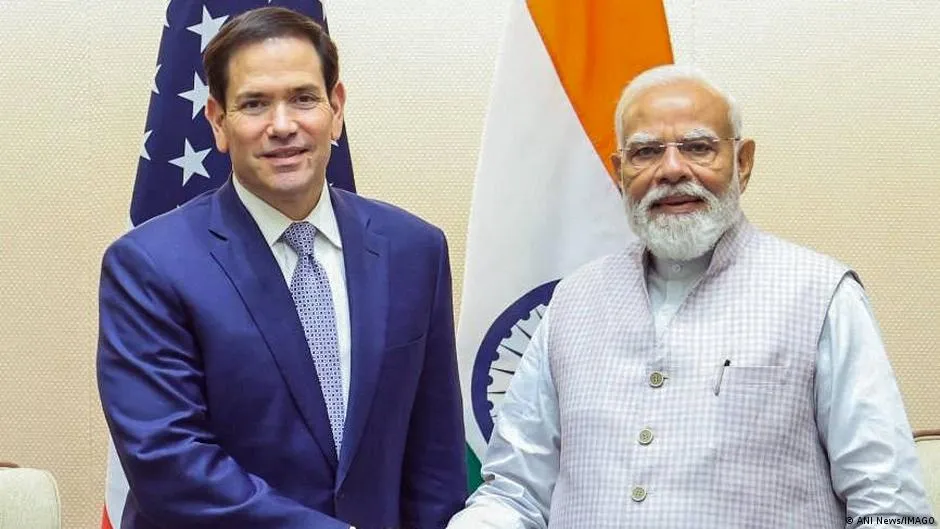
Marco Rubio has touched down in New Delhi on a diplomatic mission that is officially described as 'strengthening ties' - which, in diplomat-speak, usually means 'we really need to talk.'
According to reporting by DW, the US Secretary of State's visit to India comes on the heels of several months of simmering tension between Washington and New Delhi. And while both sides are putting on their best 'we're totally good, bro' faces, the underlying issues are harder to paper over than a passport stamp.
So what exactly went wrong?
The friction, as DW reports, spans three major fault lines: trade disputes, energy disagreements, and wobbling strategic trust. That is basically the diplomatic equivalent of arguing about money, arguing about the thermostat, and not being sure you can trust your roommate with the rent - all at the same time.
On the trade front, the two countries have long had a complicated relationship. India has historically maintained high tariffs on American goods, a sore point that has only been amplified under the current US administration's aggressive push to rebalance trade relationships globally. The energy dimension adds another layer, with India continuing to purchase Russian oil despite Western pressure to reduce dependency on Moscow - a stance that has quietly irritated Washington for some time.
The strategic layer is the tricky one
Beyond trade and energy, the bigger concern flagged in DW's reporting is that trust between the two nations remains fragile. India has long prided itself on strategic autonomy - the diplomatic art of being friendly with everyone while committing to no one fully. That approach, charming in peacetime, tends to give Washington a minor headache every time a global crisis demands clear alignments.
India is a key member of the Quad - the US-led grouping also including Australia and Japan - which is meant to serve as a counterweight to Chinese influence in the Indo-Pacific. But a partner who also keeps cordial ties with Russia and runs its own foreign policy playbook is, shall we say, a complicated ally.
What Rubio's visit actually signals
The visit itself is seen as a deliberate gesture that Washington values the relationship enough to show up in person and do the diplomatic equivalent of a make-up dinner. Whether it translates into concrete progress on trade terms, energy commitments, or deeper strategic coordination remains to be seen.
As DW notes, the effort to 'steady ties' is real - but so are the disputes underneath. Rubio arriving with a smile is a good start. Whether he leaves with anything signed is a different story entirely.