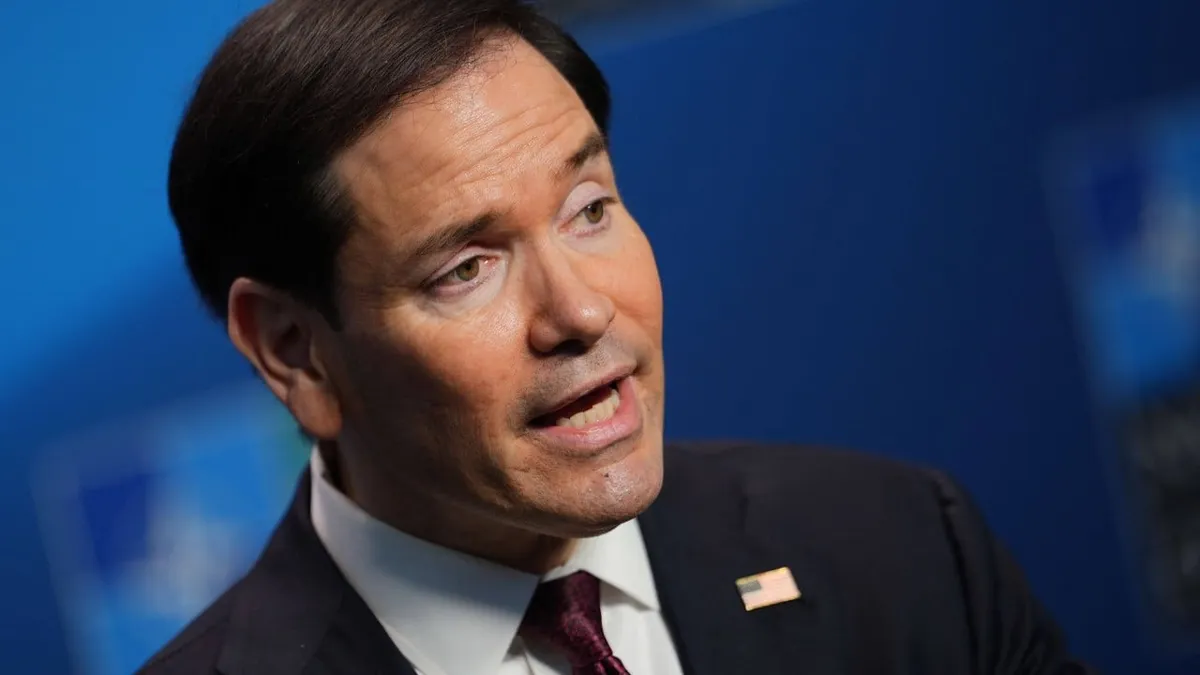
When Marco Rubio was confirmed as US Secretary of State, the mood in New Delhi was reportedly somewhere between a Bollywood dance number and a ticker-tape parade. Here, finally, was America's top diplomat - a man who had spent years in the Senate as arguably the loudest pro-India, anti-China voice in Washington. The alignment was supposed to be unprecedented. The vibes were immaculate.
Then reality showed up.
According to the South China Morning Post, Rubio is now arriving in India for a four-day visit covering Kolkata, Agra, Jaipur and New Delhi - and the relationship he is walking into is a good deal more complicated than the honeymoon period many Indian policymakers had envisioned. Transactional politics, structural deadlocks and mounting strategic unease over Washington's recent moves have all taken a bite out of the initial enthusiasm.
The elephant in the room (and it is not the one on Indian currency)
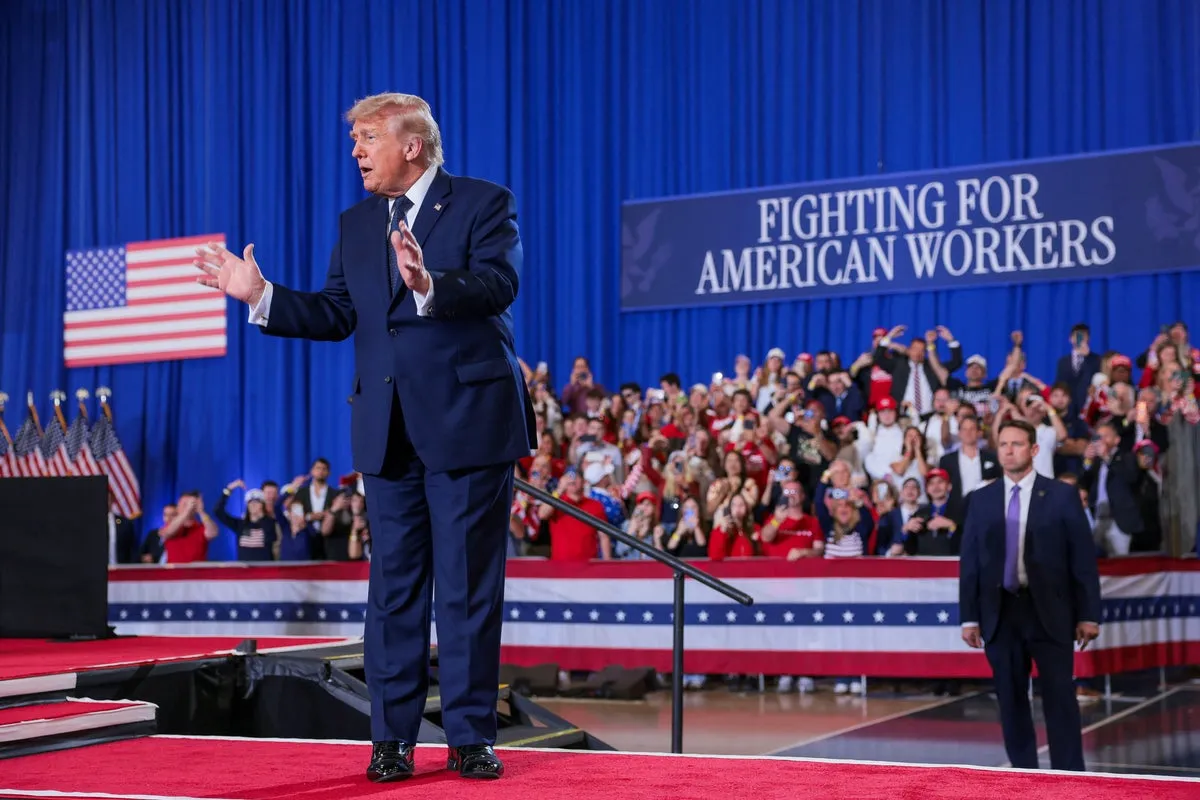
Perhaps the most diplomatically loaded item on Rubio's agenda is a briefing he is expected to deliver to Indian officials on the recent Xi-Trump summit. That meeting - between the leaders of the two countries India considers its most consequential relationships - naturally set off alarm bells in New Delhi. When the world's two largest economies start chatting privately, smaller powers tend to wonder what exactly is being decided about them, without them.
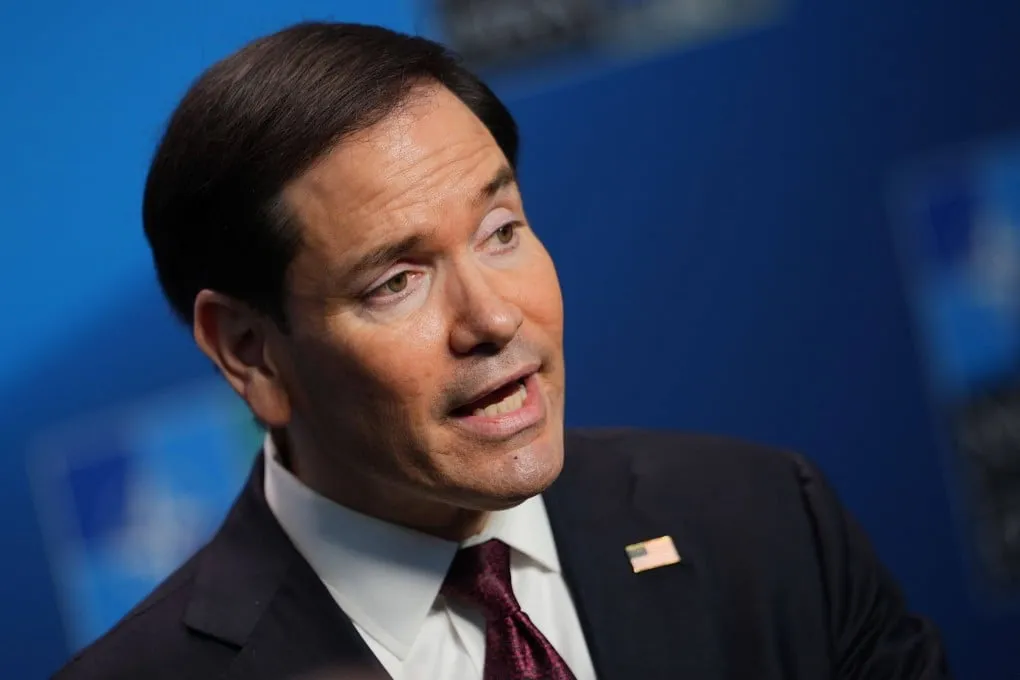
India's concern is not paranoia. It is geopolitics 101. Any US-China rapprochement, however partial or tactical, has direct implications for how much strategic leverage New Delhi holds in its own dealings with both Washington and Beijing.
The gap between rhetoric and reality
Rubio's senatorial career was practically a highlight reel of hawkish China positions and warm words for India. But being a senator who can say whatever generates applause is a very different job from being a Secretary of State who must actually manage relationships, trade-offs and a boss whose foreign policy instincts remain... unpredictable.
The four-city itinerary - Kolkata, Agra, Jaipur, New Delhi - does suggest an effort to go beyond the usual capital bubble diplomacy. Whether that translates into any concrete movement on the structural issues that have bogged down US-India ties remains to be seen.
For now, New Delhi will be listening very carefully to what Rubio says about that Xi-Trump conversation - and probably even more carefully to what he does not say.