In what may be the least shocking geopolitical development of the decade, Cuba's president has officially confirmed that Cuba would, in fact, defend Cuba if the United States were to militarily invade Cuba. Bold stance. Truly unprecedented stuff.
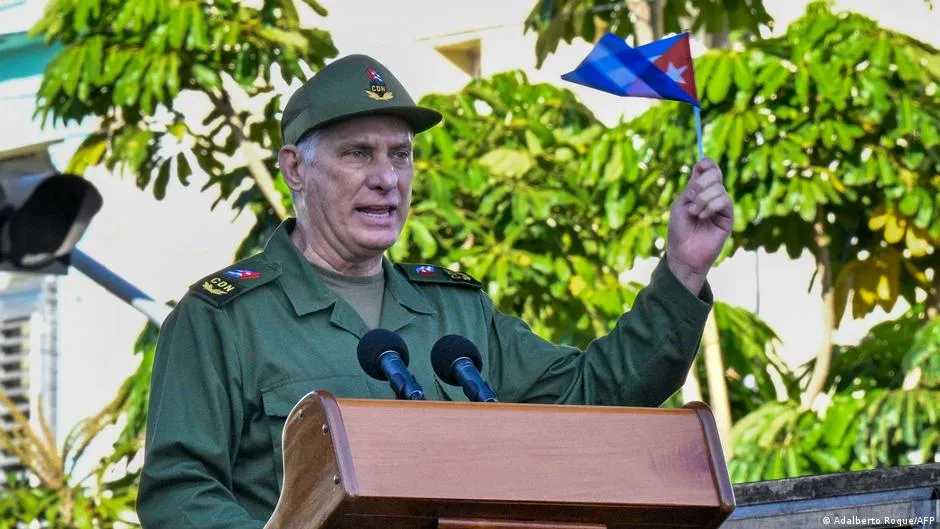
According to reporting by Deutsche Welle, Cuban President Miguel Diaz-Canel issued a firm public declaration that the island nation would resist any U.S. military assault - this coming after President Donald Trump has made repeated threats about potential military action against the Caribbean state.
So... what's actually going on here?
Trump's rhetoric toward Cuba has been escalating, and Diaz-Canel is not exactly sitting quietly and hoping for the best. The Cuban president's vow is less a surprise and more a formal 'we see you' to Washington - the kind of statement that governments make when they want the world to know they are taking threats seriously and are prepared to respond.
For context, the U.S. and Cuba have had one of the world's most spectacularly dysfunctional neighbor relationships since roughly 1959 - featuring a botched CIA-backed invasion at the Bay of Pigs in 1961, a nuclear standoff in 1962 that nearly ended all human civilization, and decades of an economic embargo that both sides will argue about until the sun burns out.
Why is Trump threatening Cuba (again)?
The Trump administration has taken a notably hawkish posture toward several Latin American and Caribbean nations. Cuba, with its one-party communist government and close historical ties to U.S. adversaries, has long been a favorite rhetorical punching bag in American politics - particularly for Republican administrations. Whether the current threats represent genuine military planning or political posturing aimed at domestic audiences remains, per available reporting, unclear.
What would an invasion even look like?
Cuba is roughly 90 miles from the coast of Florida. It has a population of around 11 million people and a military that, while not on par with major world powers, is organized and has spent over 60 years preparing for exactly this kind of scenario. Military analysts have historically noted that any U.S. invasion would not be a quick or clean operation.
In short: threatening to defend your own country is not exactly a controversial foreign policy position, and yet here we are, writing articles about it in 2025.
DW reports the situation remains tense with no indication of imminent military action, but the war of words between Washington and Havana shows no sign of cooling down anytime soon.