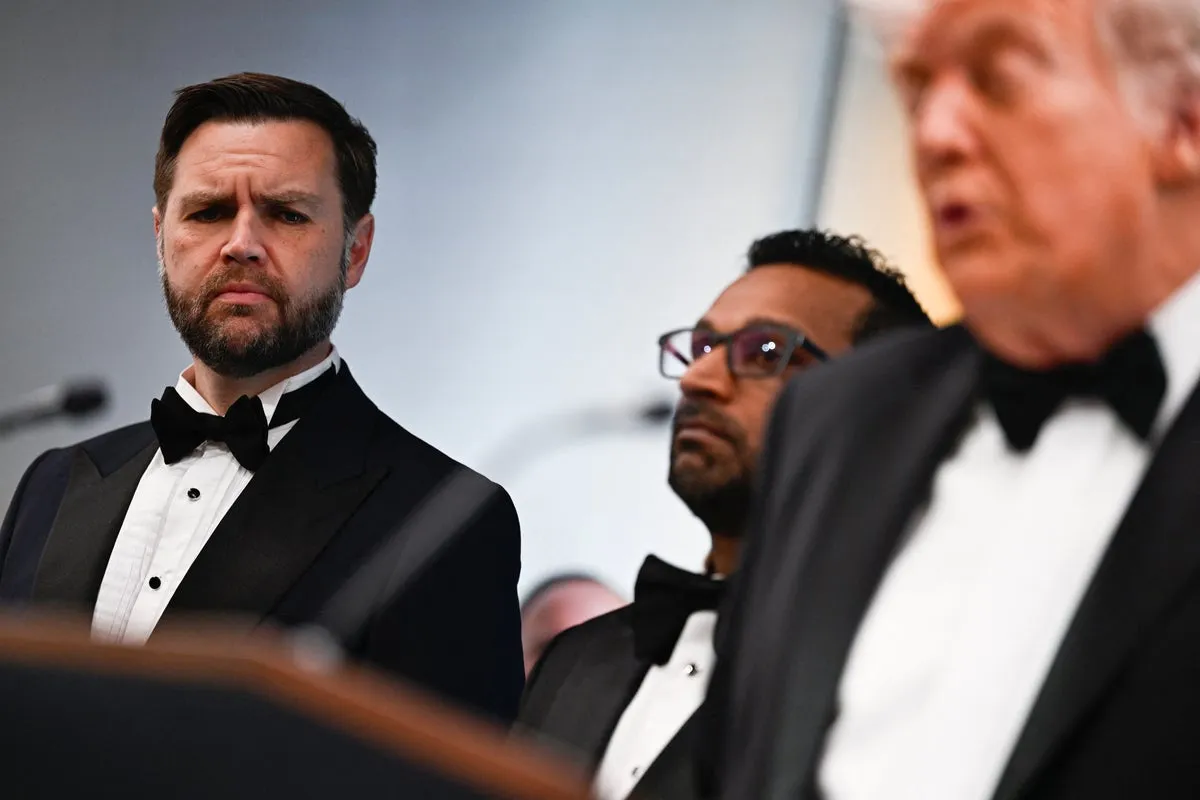
United States Secretary of State Marco Rubio issued a firm warning that President Donald Trump will not be pushed into accepting an unfavorable agreement with Iran, as diplomatic talks over Tehran's nuclear program continue against a backdrop of regional tensions.
"We're not going to let Iran use that as leverage," Rubio said, referring to potential pressure stemming from the US economy, according to reporting by The Independent. The statement signals Washington's intent to maintain a hardened negotiating position regardless of domestic economic conditions that critics have suggested could weaken the administration's hand.
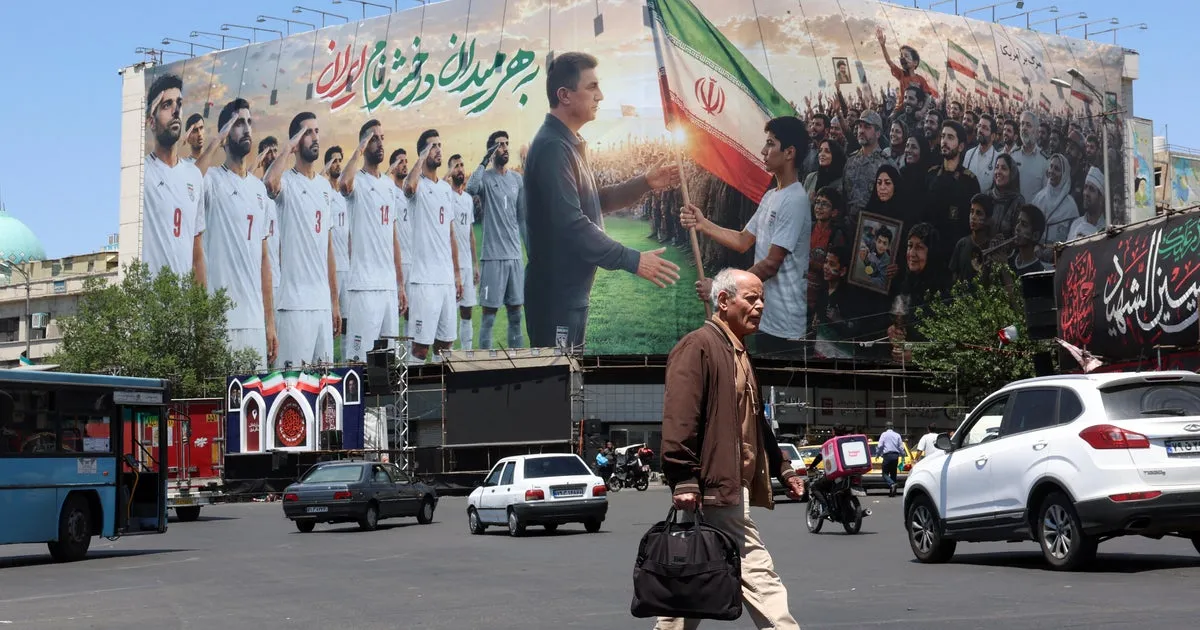
The warning comes as Iran and the United States have been engaged in indirect negotiations aimed at curbing Tehran's nuclear ambitions in exchange for relief from sweeping economic sanctions. The talks have been closely watched by regional powers and Western allies alike, given the potential consequences of either a breakthrough agreement or a full breakdown in diplomacy.

Regional tensions flare
Rubio's remarks coincided with renewed exchanges between Israel and Lebanon, adding further instability to an already volatile region. The clashes underscore the interconnected nature of Middle Eastern security dynamics, in which a US-Iran agreement - or the absence of one - carries significant implications for multiple ongoing conflicts.
Iran's nuclear program has long been a central flashpoint in Middle Eastern geopolitics. Western governments, led by the United States, have accused Tehran of advancing uranium enrichment beyond levels consistent with civilian energy use. Iran has consistently denied pursuing nuclear weapons, describing its program as peaceful in nature.
Stakes of a potential deal
Any agreement would need to address the scope and verifiability of Iran's nuclear activities, as well as the timeline and conditions under which sanctions would be lifted. Previous diplomatic efforts, including the 2015 Joint Comprehensive Plan of Action, collapsed after the Trump administration withdrew from the agreement during the president's first term in office.
Analysts have noted that the current negotiating environment is complicated by Iran's deepened relationships with Russia and China, as well as its continued support for regional proxy forces. These factors give Tehran alternative sources of economic and political support that reduce its dependence on a deal with Washington.
Rubio's public statement appears designed to reassure domestic audiences and allied governments that the United States retains leverage in the talks, even as economic pressures mount at home. Whether that position holds as negotiations progress remains to be seen.
The Independent reported the secretary of state's comments as part of ongoing coverage of the Iran-US diplomatic standoff and broader regional developments.