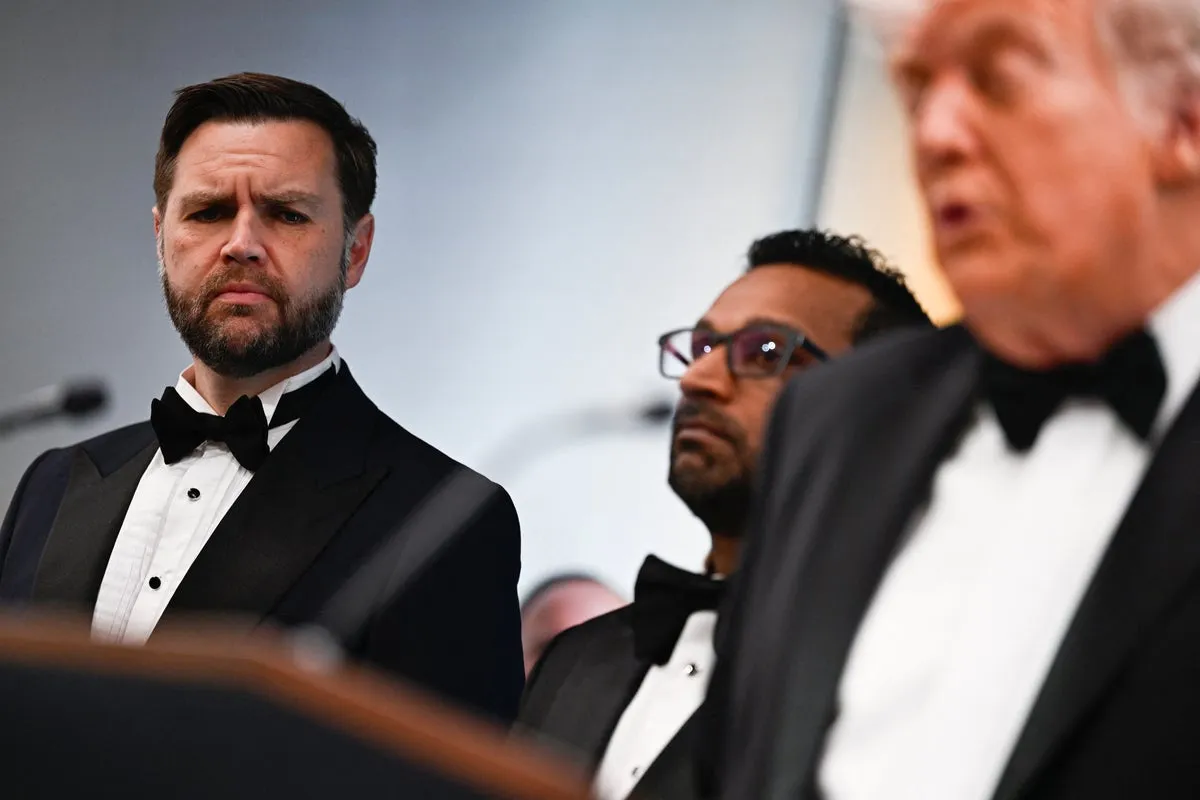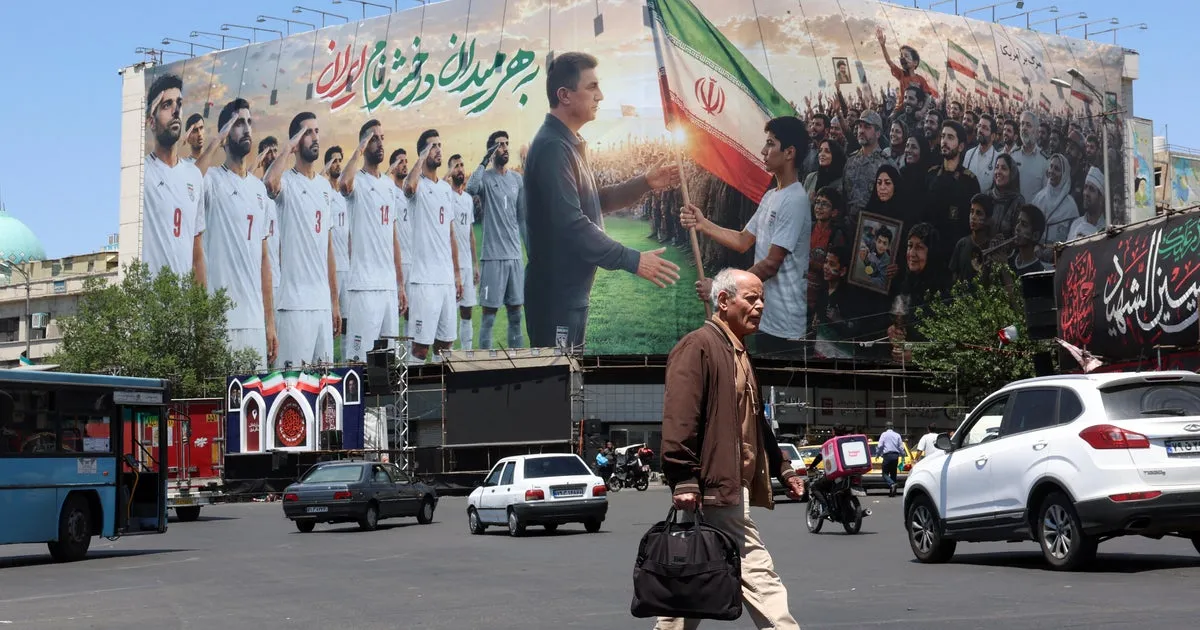
President Donald Trump has said he called off a planned military strike against Iran at the request of Gulf Arab allies, while simultaneously leaving open the possibility of future military action if diplomatic efforts fail, according to CBS News.
Trump described ongoing discussions as "serious negotiations" aimed at reaching a peace agreement, signaling a dual-track approach that combines diplomatic engagement with continued military pressure.
The disclosure that a strike had been prepared and then cancelled adds new detail to the volatile state of U.S.-Iran relations. Trump did not specify which Gulf allies intervened or when the strike was planned, but the remarks suggest close coordination between Washington and regional partners over how to handle Tehran.
Diplomacy and deterrence
The president's comments reflect a posture that his administration has maintained throughout escalating tensions with Iran - keeping a military option explicitly on the table while pursuing a negotiated settlement over Iran's nuclear program.
Iran has long insisted its nuclear activities are for civilian purposes, a claim disputed by the United States, Israel, and several European governments. Talks aimed at limiting Iran's uranium enrichment in exchange for sanctions relief have gone through multiple rounds without producing a lasting agreement.
The involvement of Gulf states in dissuading a U.S. strike is notable. Countries such as Saudi Arabia and the United Arab Emirates share U.S. concerns about Iranian regional influence but also face direct exposure to any military conflict that could erupt across the Persian Gulf.
Regional stakes
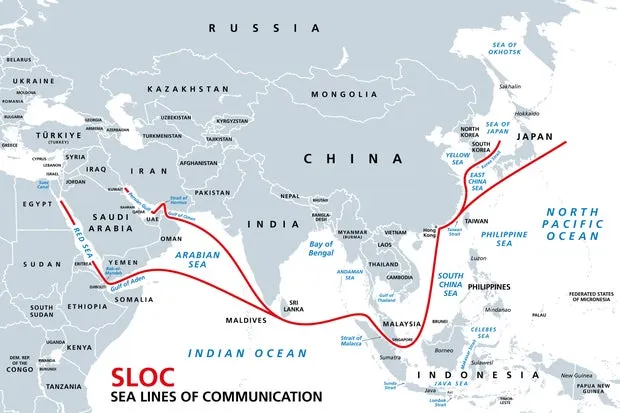
A military confrontation between the United States and Iran would carry significant consequences for global energy markets, as a substantial portion of the world's oil supply transits through the Strait of Hormuz, a waterway Iran has previously threatened to close.
Iran has also expanded its network of regional proxy forces in recent years, operating in Iraq, Syria, Lebanon, and Yemen, raising the prospect that any direct conflict could quickly spread beyond the two primary parties.
Trump's comments come amid broader Middle East diplomacy, including U.S. efforts to broker normalized relations between Israel and Arab states, a process complicated by the ongoing conflict in Gaza.
No date or venue for further Iran nuclear negotiations was publicly announced following Trump's remarks, and it remains unclear what specific framework is being discussed or which parties are directly involved in the talks.