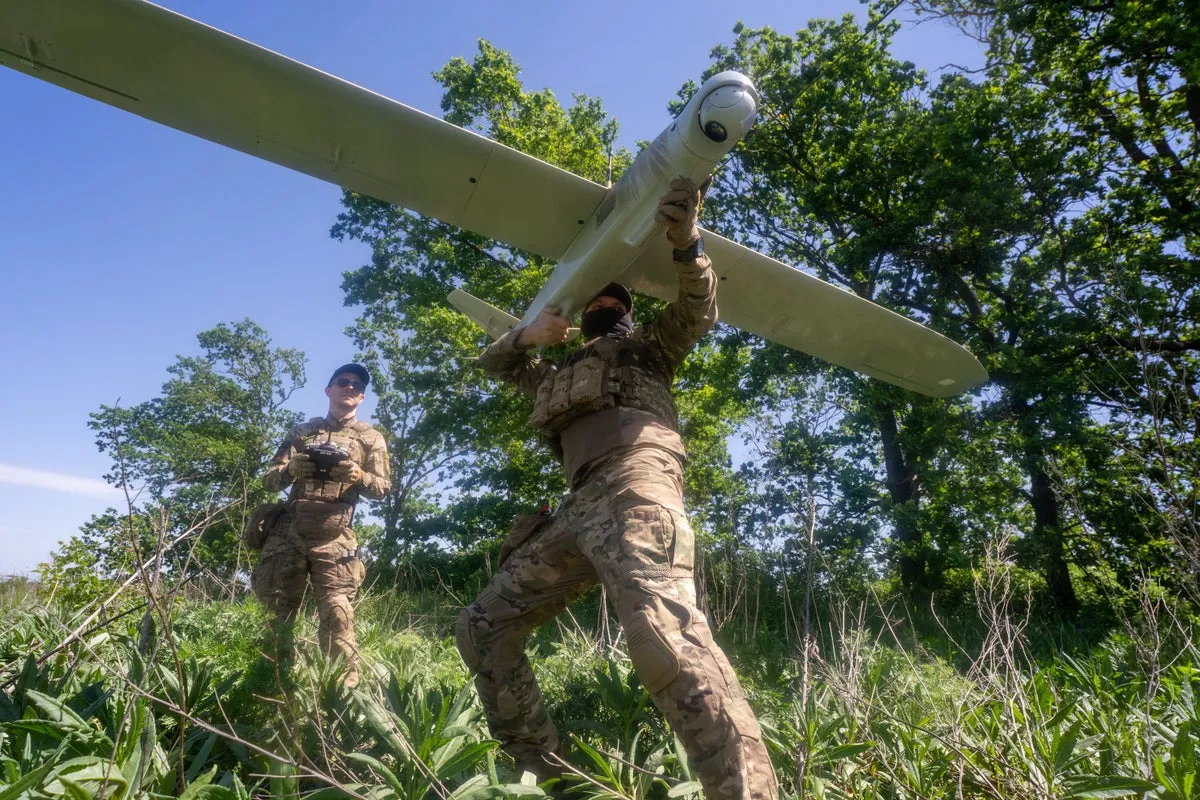
If you thought the drone war between Russia and Ukraine couldn't get any weirder, buckle up - because according to a report by Maira Butt in The Independent, Russia has apparently figured out how to seize control of Ukrainian drones while they're still in the air and redirect them back at Kyiv. Yes, really.
The world's most chaotic game of capture-the-flag
Ukraine, to its enormous credit, has built one of the most innovative military drone programs on the planet since Russia's full-scale invasion began. Facing a nuclear-armed superpower with a fraction of the conventional military resources, Kyiv essentially crowdfunded and engineered its way into becoming a genuine drone powerhouse. First-person-view (FPV) drones, long-range strike UAVs, maritime drones - Ukraine has been cooking.

But now Moscow is reportedly turning that ingenuity against them. Russian forces appear to be deploying electronic warfare systems capable of intercepting the GPS and communication signals guiding Ukrainian drones, effectively "hijacking" them in midair and repurposing them as weapons against the very people who built them. Think of it as the world's most stressful remote control car situation, except the car is a bomb.
Why Europe should probably be paying attention
This isn't just a Ukraine problem. The report highlights growing concern that the spillover effects of this electronic warfare escalation could reach European airspace. Drones that lose signal don't politely land themselves - they go wherever physics and whatever signal is strongest takes them. Several incidents of unidentified drones appearing over European countries have already raised eyebrows among NATO members.
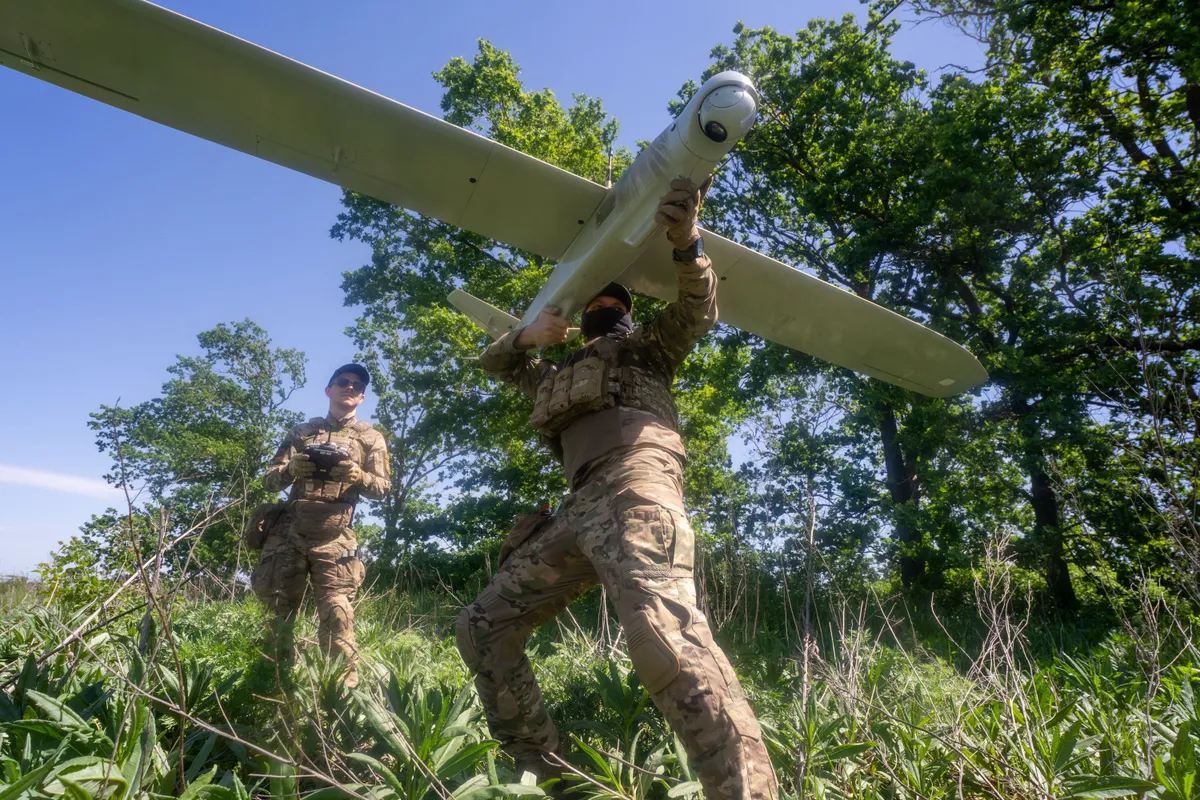
The implications are significant. If Russia has genuinely cracked the ability to commandeer enemy drones at scale, that's a capability that changes the calculus for any military operating UAVs in or near a conflict zone. It also raises uncomfortable questions about the security of civilian drone infrastructure across the continent.
An arms race with no rulebook
Military analysts have long warned that drone warfare was evolving faster than international law or defensive technology could keep up with. This latest development, if confirmed at scale, suggests the gap is widening. Ukraine has reportedly been working on encrypted communication systems and signal-hardening to counter the threat, but it's a classic cat-and-mouse dynamic.
For now, the skies over Eastern Europe are shaping up to be the world's most dangerous and technically complex battlespace - and the technology being tested there will almost certainly define how future conflicts are fought everywhere else.
Source: The Independent, reporting by Maira Butt.