In a move that will surprise absolutely nobody, both Tehran and Washington have so far declined to comment on a proposed 60-day extension to the truce between Israel and Iran-backed forces - leaving the rest of the world to nervously refresh their news feeds.
According to Al Jazeera's live coverage of the ongoing Iran war developments, as of May 29, 2026, neither the Iranian government nor the Trump administration has publicly weighed in on the truce extension plan. Diplomacy, it seems, operates on its own schedule - and that schedule apparently includes a very long lunch break.
Lebanon's PM is not mincing words
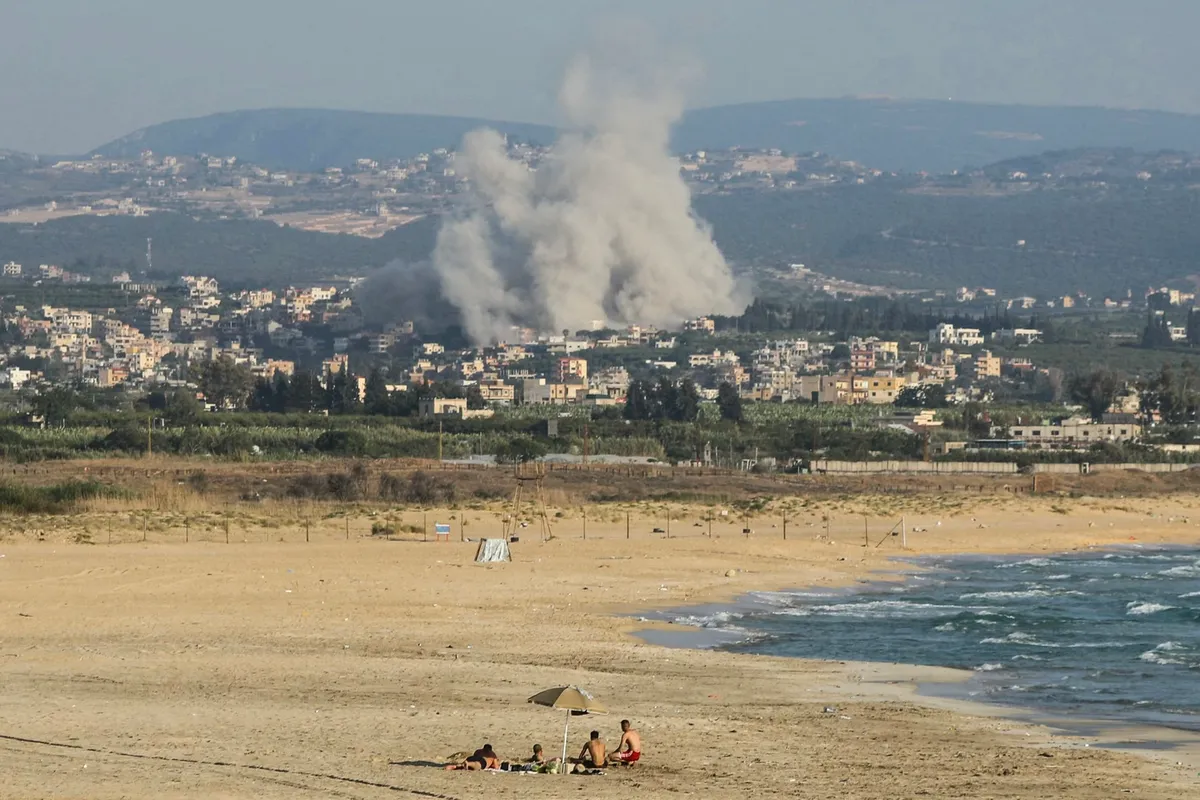
While the big players stay quiet, Lebanese Prime Minister Nawaf Salam is making some noise. In remarks reported by Al Jazeera, Salam stated plainly that "nothing can justify" Israel's continued military operations against what he described as "peaceful people" in Lebanon.
It is a striking statement from a head of government whose country has repeatedly found itself as the geographic middle-child in a conflict it did not necessarily choose. Lebanon has endured wave after wave of military spillover, and Salam's comments reflect a frustration that has been building for years across the Lebanese political spectrum.
So what exactly is this truce extension?
The proposed 60-day extension would lengthen an existing ceasefire arrangement, buying more time for diplomatic channels to do their thing - assuming diplomatic channels are actually doing anything at all. The silence from both Tehran and Washington suggests that neither side is in a particular rush to lock themselves into commitments, which is either a sign of careful deliberation or the geopolitical equivalent of leaving someone on read.
Regional analysts have noted that the lack of a public response does not necessarily mean backroom talks are stalled - it may simply mean both governments are calculating how a formal endorsement or rejection plays domestically before they open their mouths.
What happens next
The clock, presumably, is ticking. A truce extension only works if the parties involved actually agree to extend it, and continued silence from two of the most pivotal actors in this conflict is not exactly a confidence booster. For the people of Lebanon caught in the crossfire, Prime Minister Salam's words capture a sentiment that does not require geopolitical expertise to understand - enough is enough.
Al Jazeera continues to provide live coverage as this situation develops.