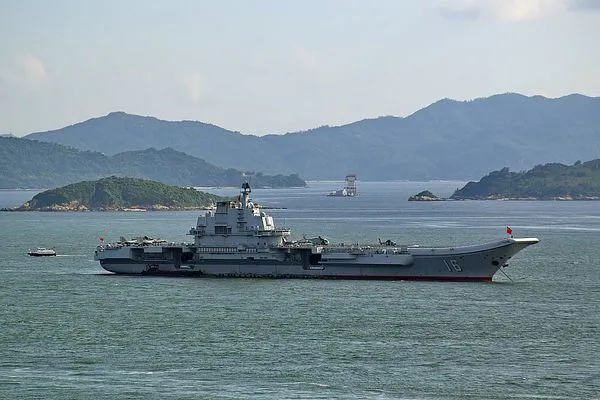
If you were expecting China to respond to the Trump-Xi summit with a dramatic, made-for-TV military exercise around Taiwan, you may want to sit down. It didn't happen. But before you breathe that sigh of relief, know this: the People's Liberation Army Navy (PLAN) has absolutely not been taking a nap.
According to a report from The Diplomat, China's naval strategy appears to be quietly shifting its pressure tactics beyond the Taiwan Strait, spreading its maritime muscle across a broader geographic canvas rather than staging another headline-grabbing Taiwan-specific drill.
So what exactly is going on?
The absence of a large-scale exercise following the Trump-Xi meeting was notable - that kind of military theater has been China's go-to response playbook in the past. The 2022 exercises following Nancy Pelosi's Taiwan visit set a certain expectation. This time, however, Beijing apparently decided that subtlety - or at least a different kind of loudness - was the move.
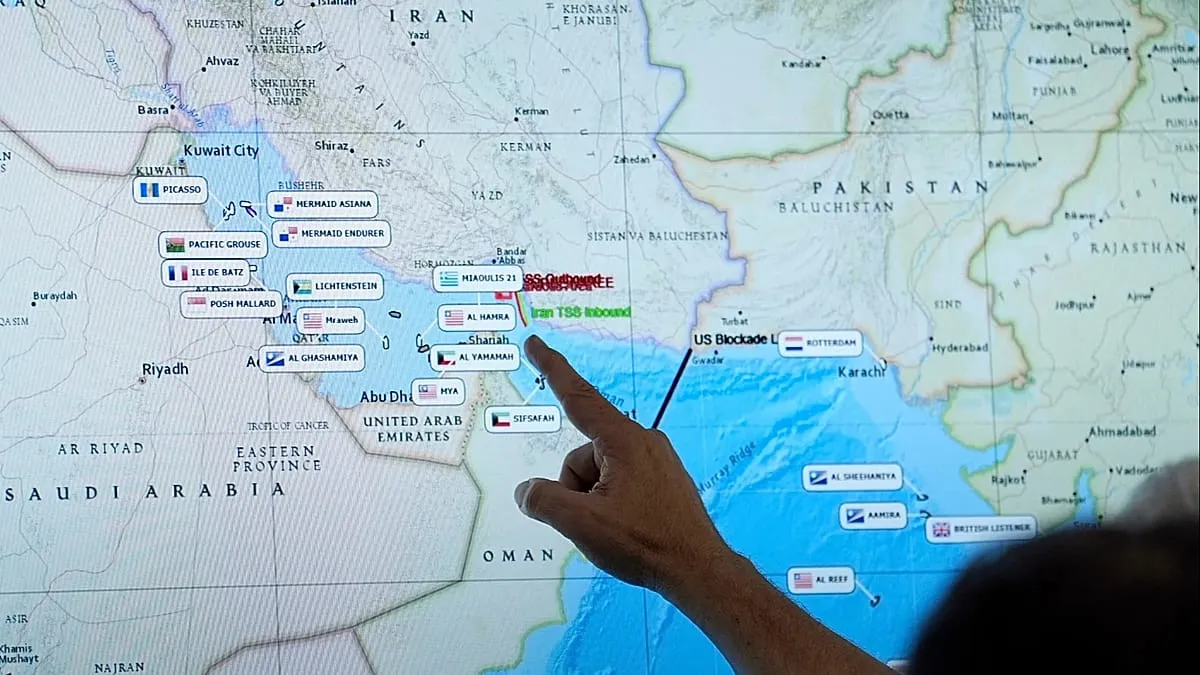
Instead of concentrating activity in the Taiwan Strait, the PLAN has reportedly been more active across wider Indo-Pacific waters, a pattern that analysts suggest reflects a maturing and more confident naval posture. Rather than reactive chest-thumping, this looks more like deliberate, sustained strategic positioning.
Why this might actually be a bigger deal
Here's the thing about pressure that doesn't make the front page: it still works. A navy that's only scary when provoked is predictable. A navy that's consistently operating at range, testing response times, probing patrol patterns, and expanding its operational comfort zone across multiple theatres simultaneously - that's a different animal entirely.
The shift suggests the PLAN is less interested in sending a political message tied to any single diplomatic event and more focused on normalizing its extended presence as just... how things are now. Which, from a strategic standpoint, is arguably more effective than any single exercise could be.
The Taiwan question isn't going anywhere
None of this means Taiwan is off the table as a flashpoint - far from it. But the broader geographic spread of Chinese naval activity means that other regional players, from Japan to the Philippines to India, are all part of the calculus now. The pressure isn't concentrated; it's distributed.
As The Diplomat notes, the PLAN being inactive was never really on the menu. The question was always where, and how visibly, it would choose to act.
For anyone keeping score at home: China's navy quietly getting comfortable everywhere might be harder to respond to than one big dramatic exercise that everyone can point at and condemn in a strongly-worded UN statement.