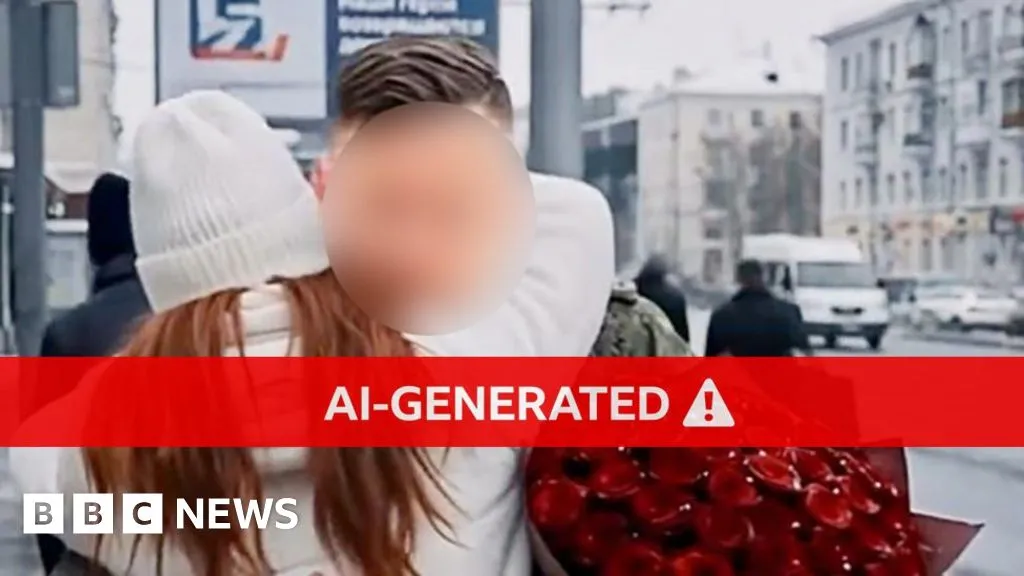
In a development that feels ripped straight from a Black Mirror episode someone was too scared to greenlight, Russian families who have lost loved ones in the war in Ukraine are reportedly turning to artificial intelligence to "resurrect" the deceased - creating digital replicas of the dead that can talk, respond, and simulate a continued presence, according to a report by the BBC.
The trend sits at a deeply uncomfortable crossroads: an ongoing, bloody conflict; rapidly evolving AI technology; and raw, human grief. It is controversial almost by definition, and yet, for some families, it appears to be offering a form of solace that traditional mourning simply cannot provide.
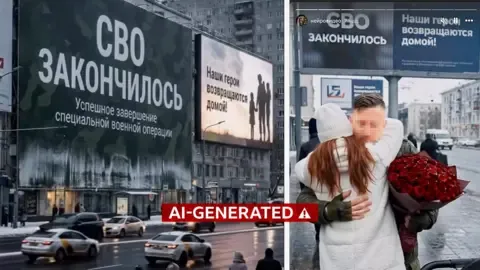
So how does this actually work?
Using photos, videos, voice recordings, and personal messages left behind by the deceased, families are feeding data into AI tools capable of generating interactive chatbots or video avatars. The result is something that looks, sounds, and in some cases even "responds" like the person who died. Technically impressive. Emotionally? Deeply complicated.
The BBC report highlights how this practice is particularly charged given the context - these are not deaths from illness or old age, but casualties of a war that Russia's own government has gone to considerable lengths to downplay and restrict public mourning around. For some families, an AI replica may be filling a void left not just by death, but by enforced silence.
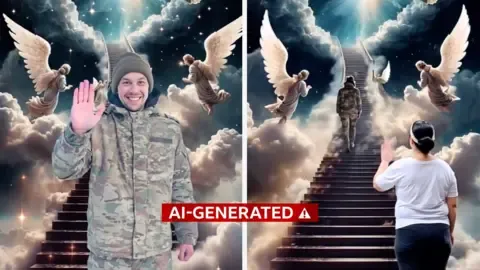
The ethics are a minefield (pun regrettably intended)
Grief researchers and ethicists have been sounding alarm bells about so-called "deadbots" for a while now. Critics argue that simulating a dead person risks interfering with the natural grieving process, potentially preventing loved ones from ever truly accepting a loss. There's also the uncomfortable question of consent - did the deceased ever agree to have their likeness and personality reconstructed by an algorithm?
On the other side, proponents suggest that for those left behind, especially children who lost a parent, having some form of continued "connection" could be genuinely therapeutic. It's a debate that is far from settled, and regulators worldwide are essentially playing catch-up.

War, grief, and the AI goldrush
What makes this trend particularly striking is its scale and speed. As the conflict in Ukraine continues to generate casualties on the Russian side - casualties the Kremlin has been notoriously tight-lipped about - families are finding unofficial, technological ways to cope. The grief is real, even when the reconstruction of the person they lost is... not quite.
Whether this is a tender human response to impossible loss, a deeply problematic commodification of death, or some unsettling combination of both, one thing is clear: AI is no longer just changing how we live. It's changing how we mourn.
Source: BBC News