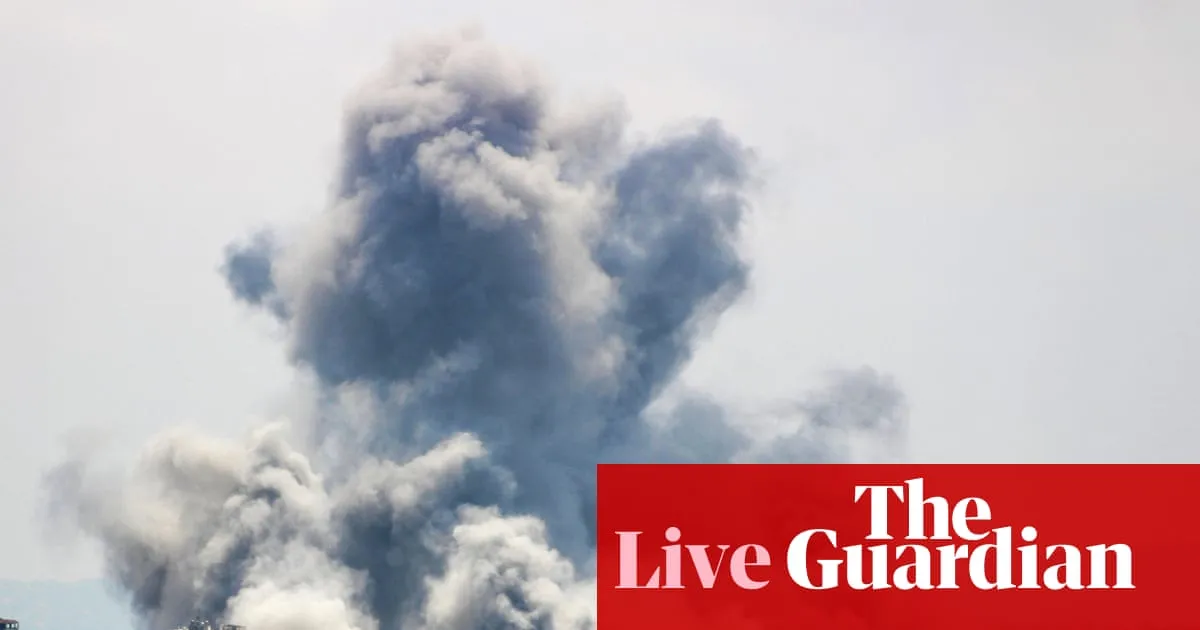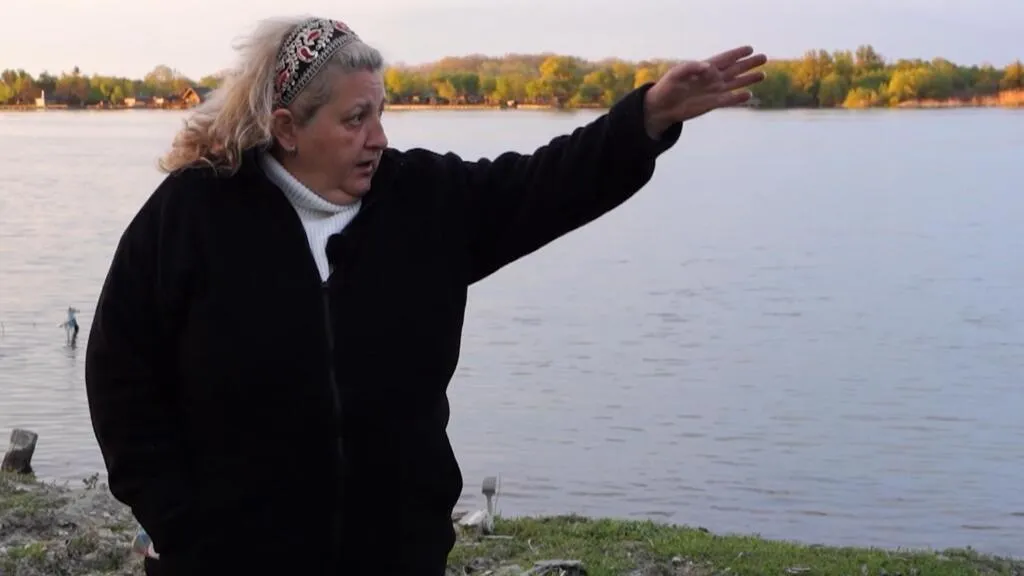
If you thought the war in Ukraine felt far away from EU soil, try telling that to Romanians living along the Danube Delta. According to a report by France 24, Russian attacks have been intensifying against Ukrainian port infrastructure along the Danube river - in some cases just a few hundred metres from the Romanian border. A few. Hundred. Metres.
The timing could not be more loaded: on Wednesday, Bucharest is hosting the B9 summit, a gathering of NATO's eastern flank nations that includes some heavy hitters. Turkish President Recep Tayyip Erdogan is among the heads of state expected to attend, alongside leaders of other frontline NATO members who have been watching the war in Ukraine with understandably sweaty palms.

The Danube Delta is becoming a war zone - sort of
The Danube Delta is one of Europe's most biodiverse and ecologically sensitive regions, a UNESCO World Heritage site famous for pelicans, fishermen, and reed beds stretching to the horizon. It is not, historically, a place associated with drone strikes. And yet here we are.

Ukrainian ports along the river have become key alternative export routes since Russia's blockade of Black Sea access early in the war. That makes them a target. Russian drones and missiles have reportedly been hitting these facilities with increasing frequency, and given the geography, the blasts are close enough that Romanian residents can reportedly hear them. Local fear is, unsurprisingly, not in short supply.

NATO's eastern flank is feeling it
The B9 format - bringing together Bulgaria, Czech Republic, Estonia, Hungary, Latvia, Lithuania, Poland, Romania, and Slovakia - exists precisely because these countries understand that geography is not an abstraction. For Romania in particular, the war has shifted from something on a map to something you can hear from your backyard.
The summit in Bucharest is expected to address defence spending, alliance cohesion, and the broader question of how NATO's eastern members position themselves as the conflict drags on. Whether any concrete action follows regarding the increasingly tense Danube situation remains to be seen.
What this means practically
- Romanian civilians near the delta are reporting anxiety and fear as explosions become audible across the border
- Ukrainian Danube ports serve as critical grain and goods export corridors - making them high-value military targets
- The B9 summit arrives at a moment when the war's proximity to EU territory is impossible to ignore
As France 24 notes, even in Romania - technically at peace, technically safe - the war feels increasingly present. For the pelicans of the Danube Delta, nobody has asked their opinion. But they are probably not thrilled either.