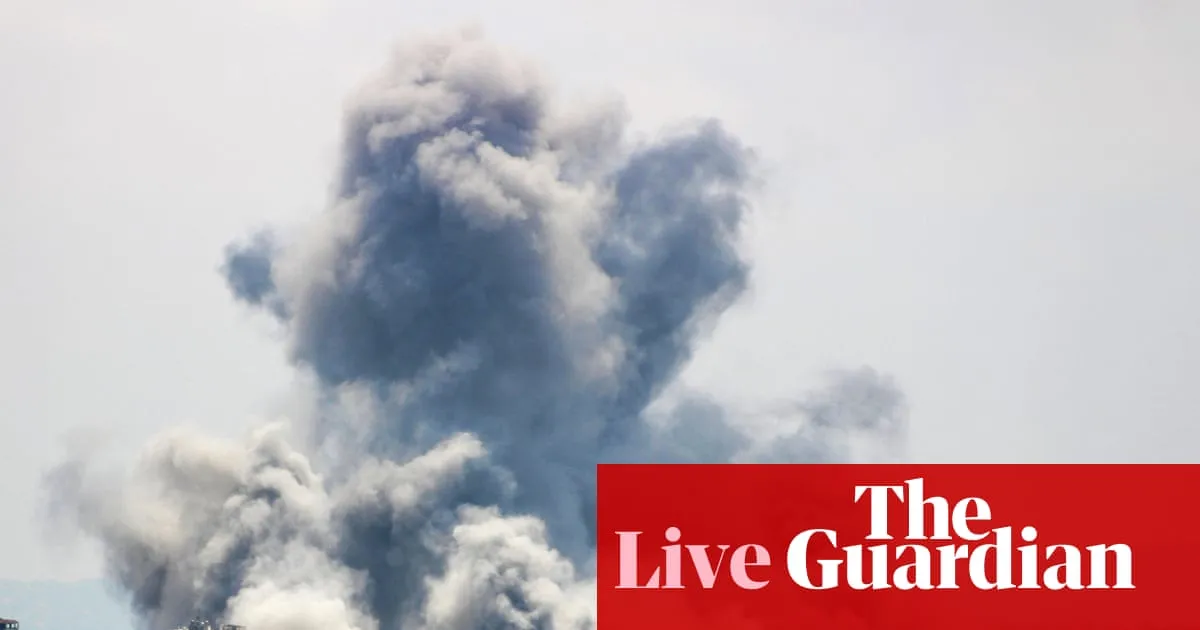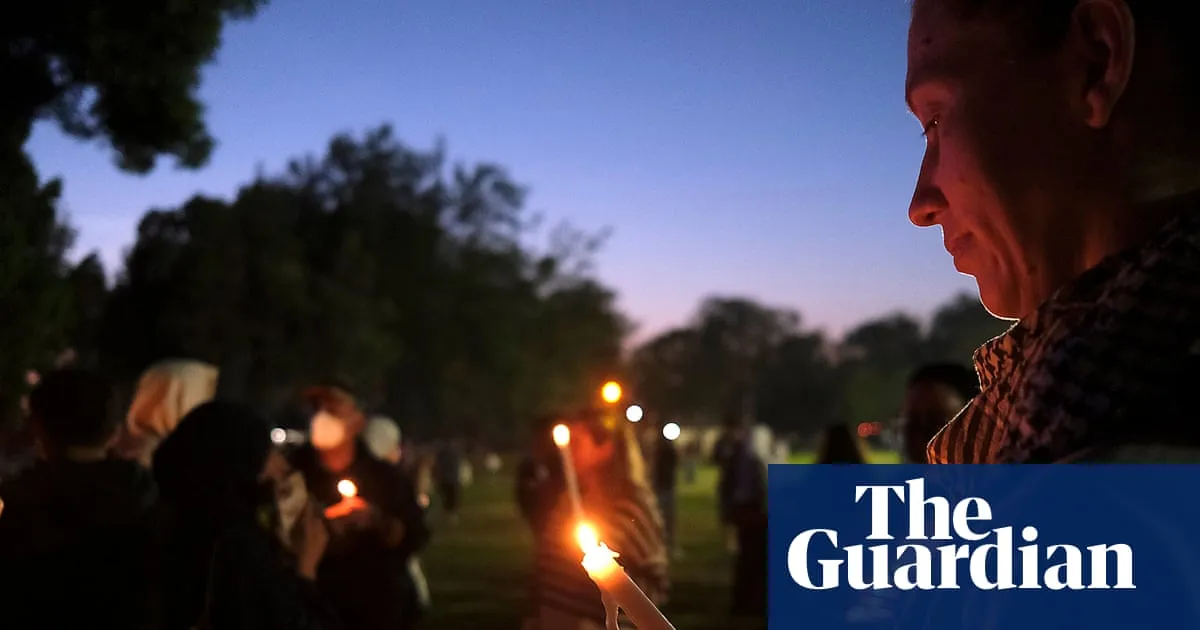
If there is one thing more terrifying than a mass shooter, it is a mass shooter who did homework first. The killing of Amin Abdullah, a 51-year-old security guard, at a San Diego mosque on Monday is drawing urgent attention from experts who say we are witnessing a deeply disturbing pattern: hate-motivated attackers who treat previous acts of violence as a tutorial.
According to reporting by The Guardian, the two suspects - aged just 17 and 18 - are part of a growing lineage of extremists who radicalize online, absorb the ideologies of shooters before them, and then attempt to replicate or even escalate those attacks. The stated goal, experts say, is not simply to kill but to push society toward a race war and, ultimately, full societal collapse. Yes, actual teenagers. Yes, this is real life.
The copy-cat pipeline nobody wants to talk about
Researchers studying far-right extremism have been ringing this alarm for years. The pattern is grimly consistent: a shooter commits an attack, publishes a manifesto or livestreams the event, and within months or years, a new attacker emerges who cites the previous one as inspiration. It is essentially a franchise model for mass violence, and the internet is the storefront.
What makes the San Diego case particularly chilling is the age of the suspects. At 17 and 18, these individuals were not yet adults by most legal definitions, yet they allegedly carried out a premeditated, ideologically motivated attack on a house of worship. That points directly to the radicalization pipeline operating through online spaces, where extremist content is consumed with alarming speed and enthusiasm by young, often alienated individuals.
Who was Amin Abdullah?
Lost in the noise of the broader ideological conversation is the human cost. Amin Abdullah, 51, was a security guard doing his job at a mosque - a place of worship that, like many Muslim institutions across the United States, has increasingly had to think about physical security just to hold Friday prayers. His death is not a data point. It is a tragedy.
What does this mean going forward?
Experts quoted by The Guardian describe this phenomenon as part of a broader accelerationist movement, one that explicitly encourages followers to commit violence as a means of destabilizing democratic society. Understanding that these are not isolated, random acts but coordinated ideological outputs is the first step toward any meaningful policy response.
The second step, presumably, is actually taking that response. But given the pace of progress on this front, do not hold your breath.
Source: The Guardian