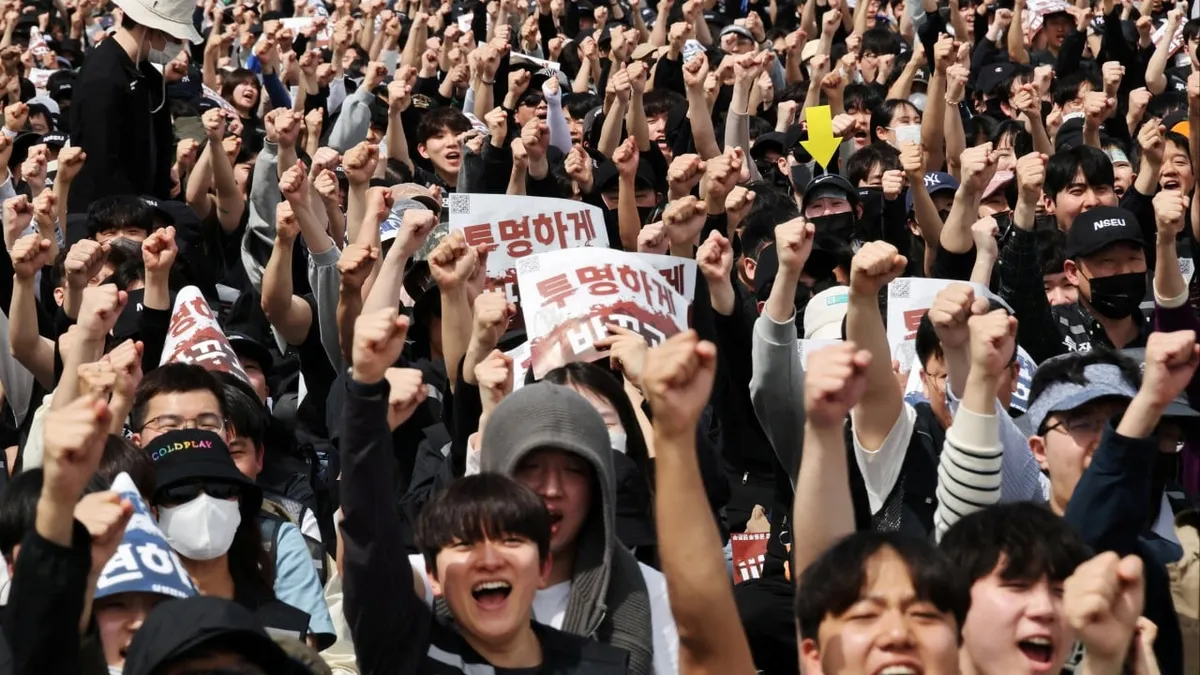
If you thought your office's bonus dispute was bad, try this one on for size: 50,000 Samsung Electronics workers are about to stage an 18-day strike over compensation demands - and the economic fallout could reach a staggering 100 trillion won, or roughly US$66.7 billion, according to reporting by the South China Morning Post.
Yes, billion with a B.
So what exactly is going on?
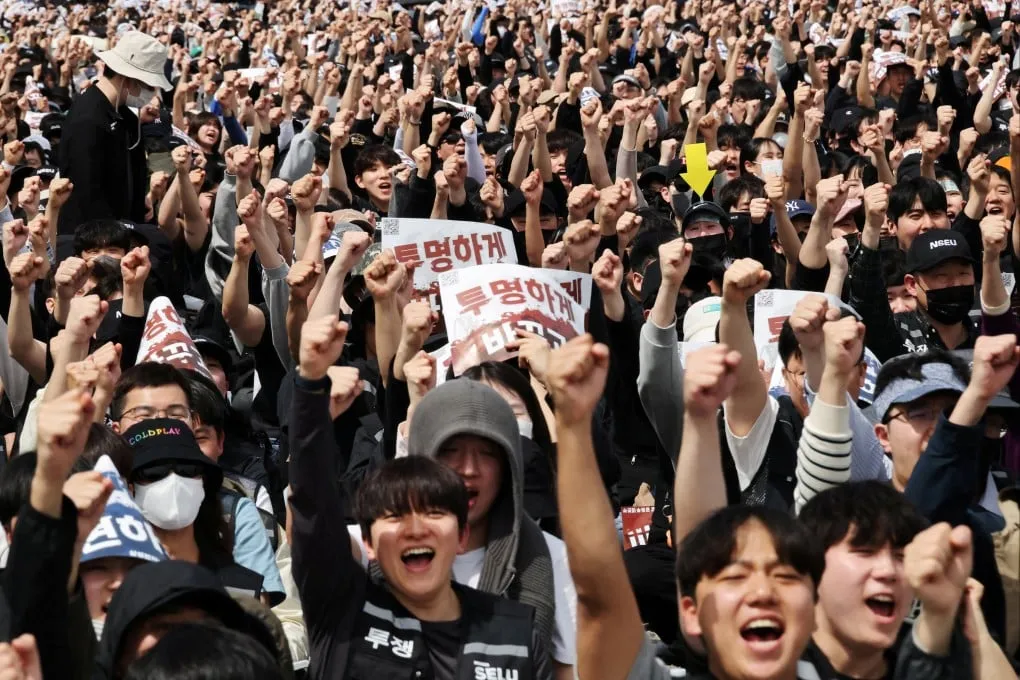
The workers, represented by Samsung's largest union, have been locked in a standoff with management over bonuses reportedly valued at around US$400,000 per worker. The strike is scheduled to kick off Thursday, and with half of Samsung Electronics' South Korean workforce ready to down tools, this is not your garden-variety picket line situation.
South Korean President Lee Jae Myung's government is reportedly caught between a rock and a very expensive hard place. Intervening too aggressively risks inflaming already tense labour relations. Letting the strike run its full course risks torching tens of billions of dollars worth of economic output - not to mention the ripple effects on global semiconductor supply chains that depend heavily on Samsung's output.
Why does this matter beyond South Korea?
Samsung Electronics is not just a South Korean company - it is a pillar of the global chip industry. Any significant disruption to its manufacturing operations has the potential to squeeze supply chains from consumer electronics to automotive components. The world learned exactly how sensitive semiconductor supply is during the COVID-era chip shortage, and nobody is eager for a repeat.
According to the SCMP report, projected economic damage could hit up to 100 trillion won if the strike proceeds at full scale - a number so large it borders on the absurd, yet analysts appear to be taking it seriously.
The government's impossible position
Seoul under President Lee is reportedly running low on patience and options simultaneously. Historically, South Korean governments have used back-to-work orders and mediation to defuse major labour actions, but the sheer scale of this dispute makes standard playbook moves harder to execute without political blowback.
The union, for its part, seems to have calculated that the economic leverage they hold is significant enough to push management toward meaningful concessions. Whether that gamble pays off - or whether it triggers a government intervention that leaves everyone unhappy - is the question Seoul is desperately trying to answer before Thursday arrives.
One thing is certain: when the world's leading chipmaker and 50,000 of its workers reach a standoff this large, the entire planet has a stake in how it ends.