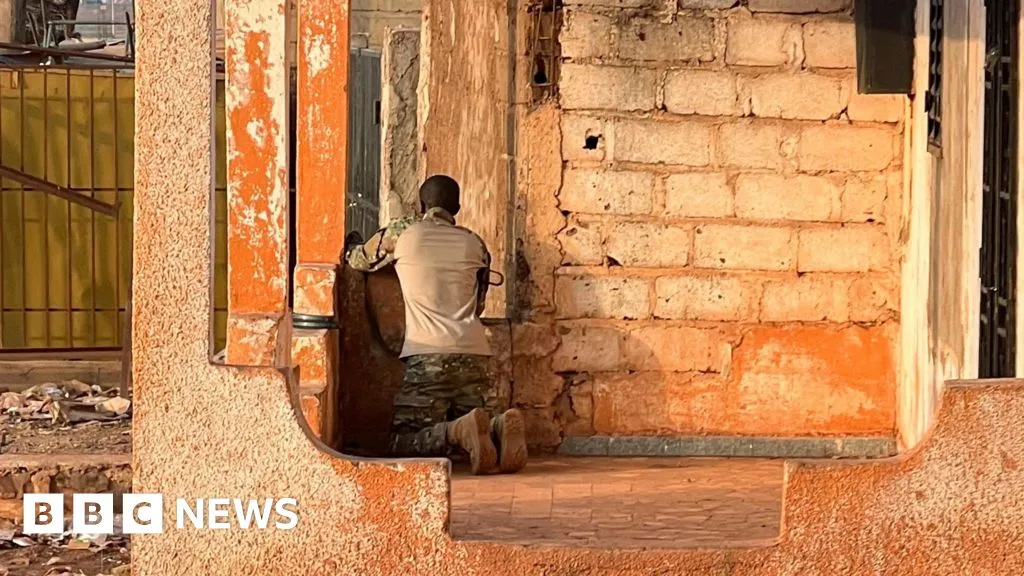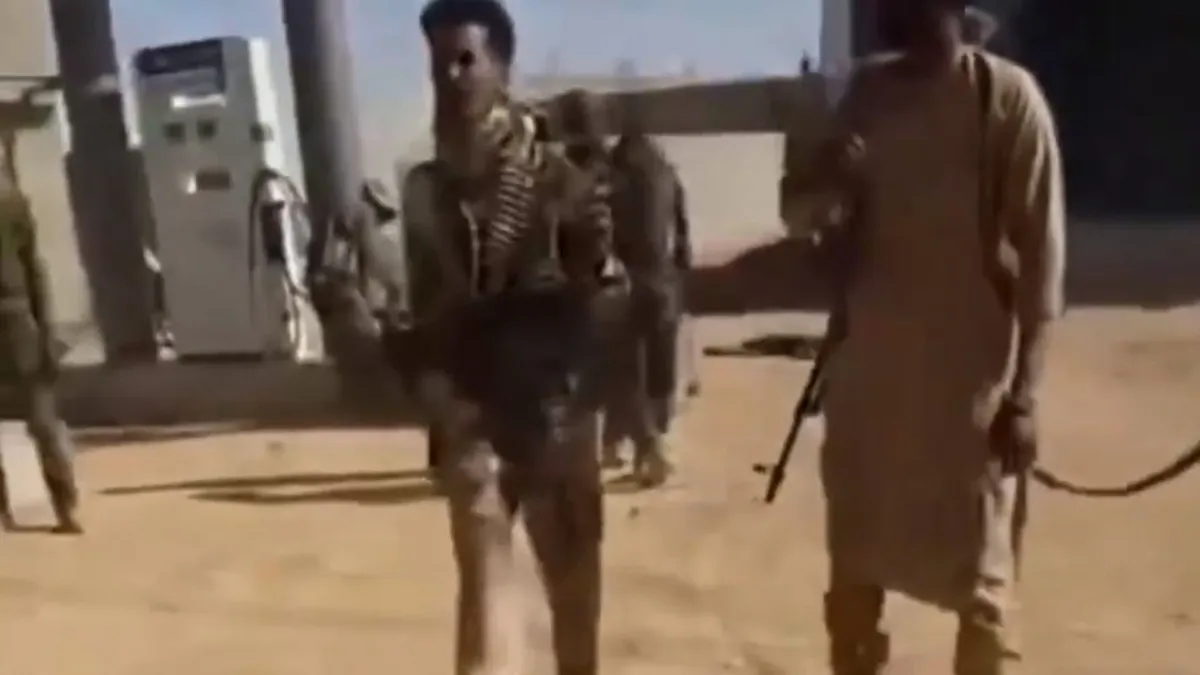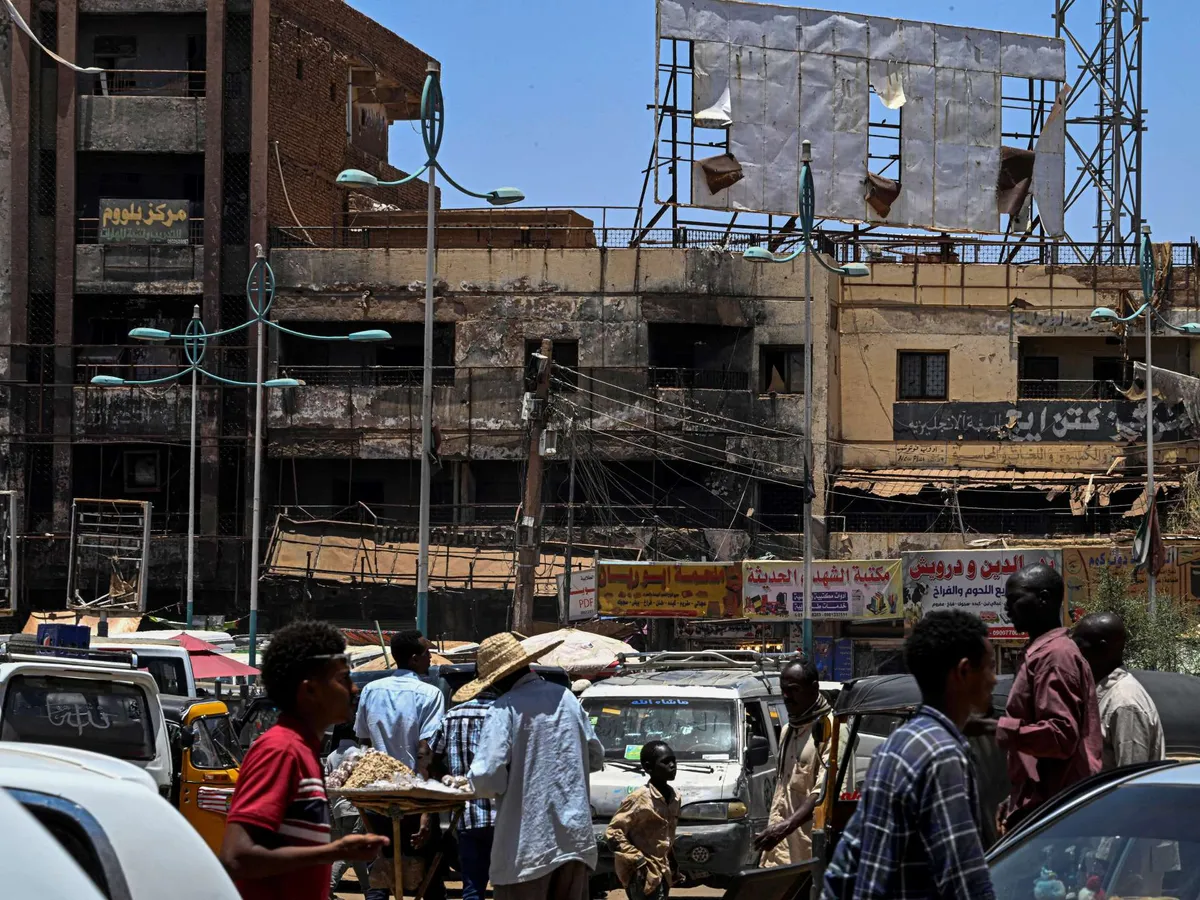
Sudan's civil war has crossed the three-year mark with neither the Sudanese Armed Forces (SAF) nor the paramilitary Rapid Support Forces (RSF) having achieved a decisive military victory, according to reporting by Al Jazeera. The conflict, which erupted in April 2023, has settled into a grinding stalemate that shows little sign of resolution.
The two factions, once allied under the government of military leader Abdel Fattah al-Burhan before turning on each other, have fought across much of the country's territory. The SAF retains control of significant portions of the north and east, while the RSF has entrenched itself across large swaths of Darfur and parts of the south and center of the country.
A war without a clear front line
The conflict does not follow a single, defined front line. Both forces have recorded advances and losses in different regions at different times, contributing to the sense of strategic deadlock. Military analysts and observers cited by Al Jazeera describe the situation as an impasse - each side capable of preventing the other from achieving outright control, but neither capable of delivering a knockout blow.
The RSF, led by Gen. Mohamed Hamdan Dagalo, known as Hemeti, has faced accusations of widespread atrocities, including in Darfur, where United Nations officials and human rights organizations have warned of conditions amounting to genocide. The SAF and the government it backs deny committing deliberate crimes against civilians.
Humanitarian toll continues to mount
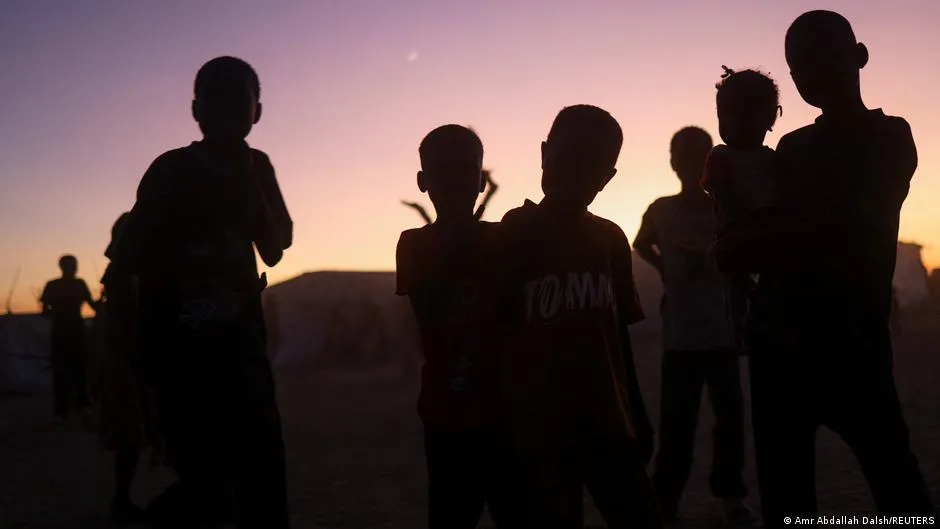
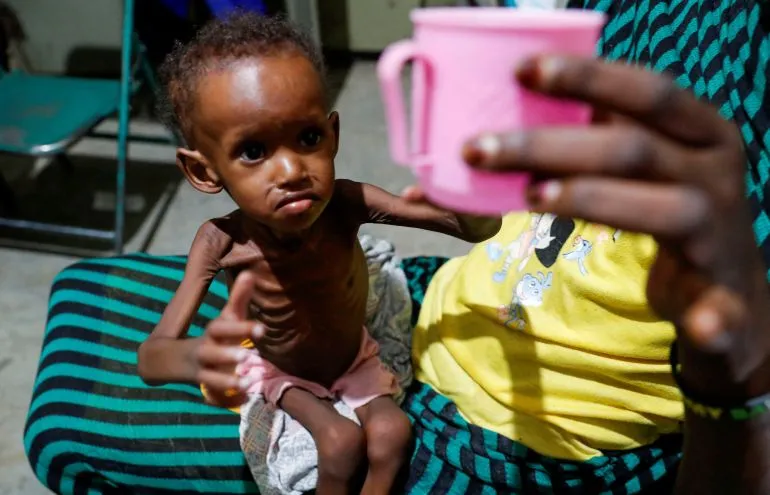
The human cost of the conflict is described as catastrophic. The war has displaced more than 12 million people internally and pushed millions more toward famine, according to United Nations figures. Sudan now hosts what the UN has called the world's largest displacement crisis.
Aid access remains severely constrained. Both warring parties have been accused by humanitarian organizations of obstructing the delivery of food, medicine, and other essential supplies to civilian populations.
International diplomatic efforts to broker a ceasefire or peace talks have repeatedly stalled. Various regional and international actors, including the African Union, the United States, Saudi Arabia, and Egypt, have attempted mediation with limited success.
No political resolution in view
As the war enters its fourth year, neither a military resolution nor a negotiated settlement appears imminent, Al Jazeera reported. The political and civilian forces that had sought to steer Sudan toward a democratic transition before the 2021 military coup remain fragmented and largely sidelined.
Observers warn that prolonged stalemate risks further entrenching both military structures, making any eventual peace settlement more difficult to achieve and implement.