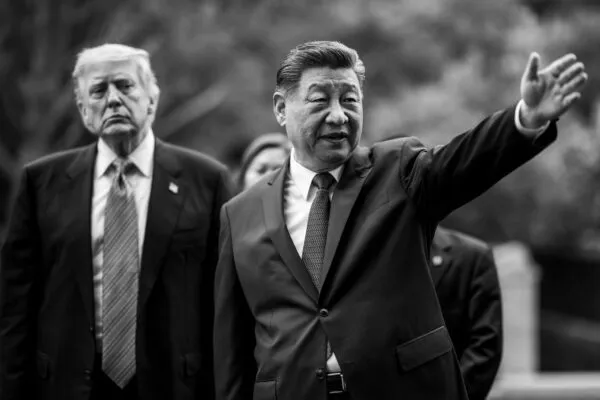
In what can only be described as the geopolitical equivalent of texting your ex "so... are we still on?", Taiwan has urged the United States to follow through on its arms commitments after President Donald Trump emerged from his summit with Chinese leader Xi Jinping carrying a noticeably softer tone toward Beijing - and a warning aimed squarely at Taipei.
According to reporting by Deutsche Welle, Trump cautioned Taiwan against formally declaring independence following his high-profile meeting with Xi. For a democratic, self-governing island that has been side-eyeing the Chinese military for decades, that kind of statement from Washington lands somewhere between uncomfortable and deeply alarming.
The arms deal in question
Taiwan's response was measured but unmistakably pointed: yes, we heard the warning, but also - what about those weapons you promised us? Taipei wasted little time reminding Washington of its outstanding commitment to supply the island with arms, a cornerstone of US-Taiwan relations that has historically been grounded in the Taiwan Relations Act.
The timing here matters. Trump's summit with Xi represents a visible warming in US-China relations, and from Taipei's perspective, every degree that thermometer rises is a degree of uncertainty about just how firmly Washington has their back. The island is threading a needle that would make a tailor nervous - trying to keep Washington engaged without provoking Beijing into doing something drastic.
Reading the room (badly, from Taiwan's perspective)
Trump's "don't declare independence" message isn't entirely new US policy territory - Washington has long maintained a deliberately ambiguous stance on Taiwan's status. But delivering that message fresh off a summit with Xi carries a very different vibe than saying it in a routine diplomatic statement. Context, as they say, is everything.
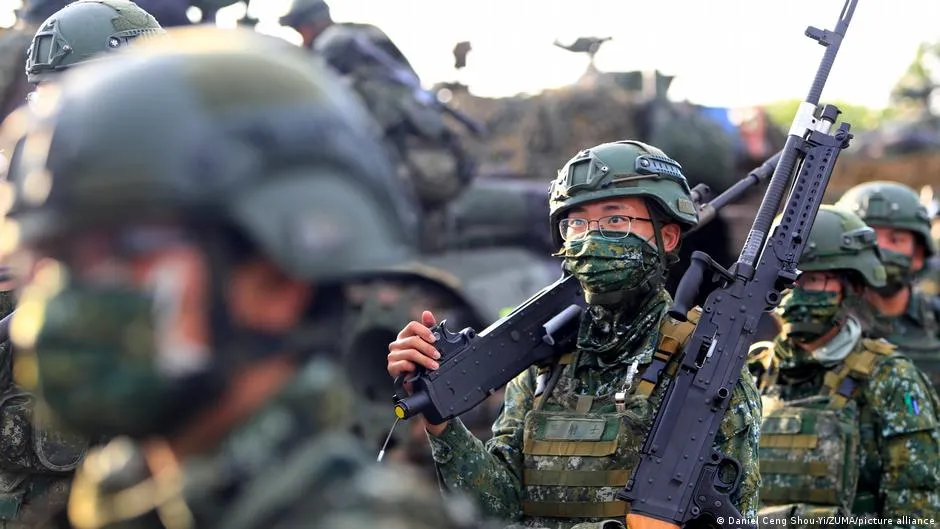
Taiwan's government, for its part, appears determined not to let the arms pipeline go quiet while the adults in the room are busy shaking hands. The island's defence needs are not abstract - China has continued military pressure campaigns near Taiwan, including repeated incursions into Taiwan's air defence identification zone.
What happens next?
Whether the Trump administration accelerates, delays, or quietly shelves the arms package remains to be seen. What is clear, per DW's reporting, is that Taiwan is not sitting silently in the waiting room. It is knocking on the door, clipboard in hand, asking if its order is ready.
For a small island caught between the world's two largest superpowers having a very productive lunch, that is probably the wisest move available.