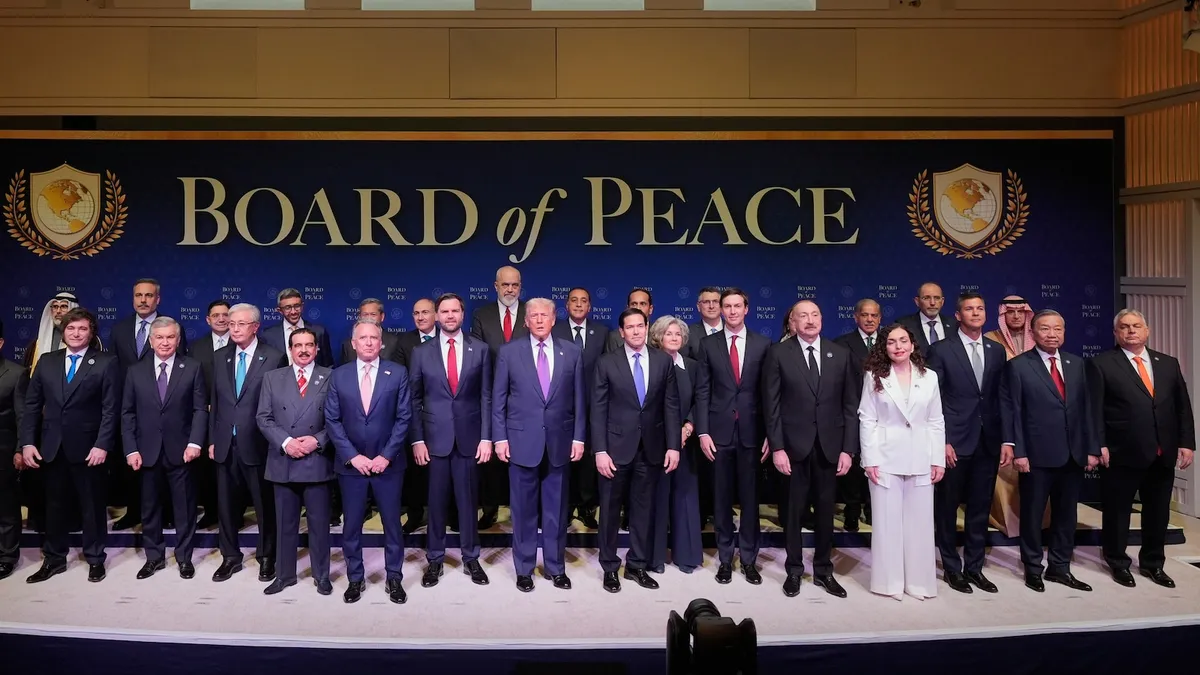
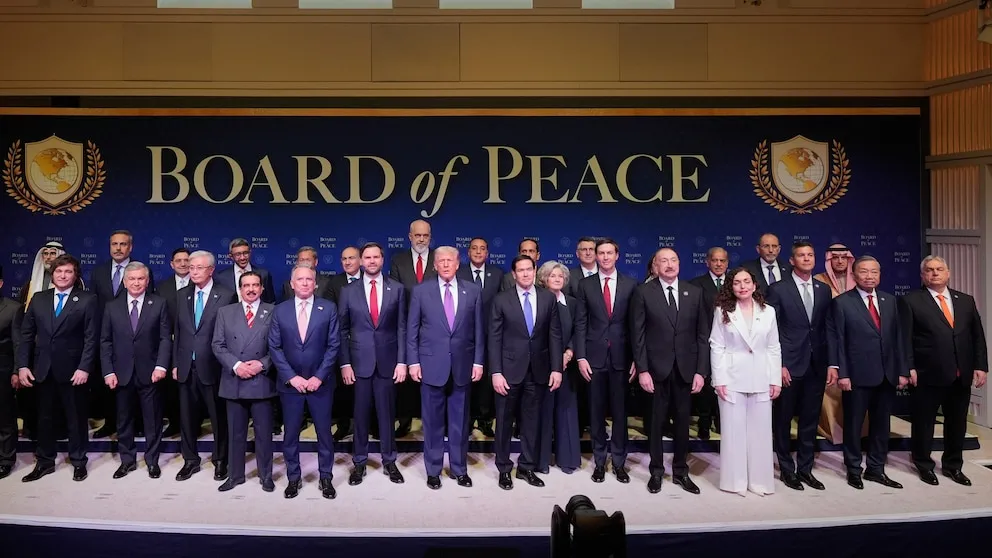
Remember that big, shiny announcement about an international stabilization force for Gaza? The one unveiled with great fanfare at a Trump-hosted event roughly three months ago? Well, buckle up - because according to ABC News, that force has yet to, you know, actually materialize.
In diplomatic circles, this is what experts technically refer to as "a bit awkward."
So what happened?
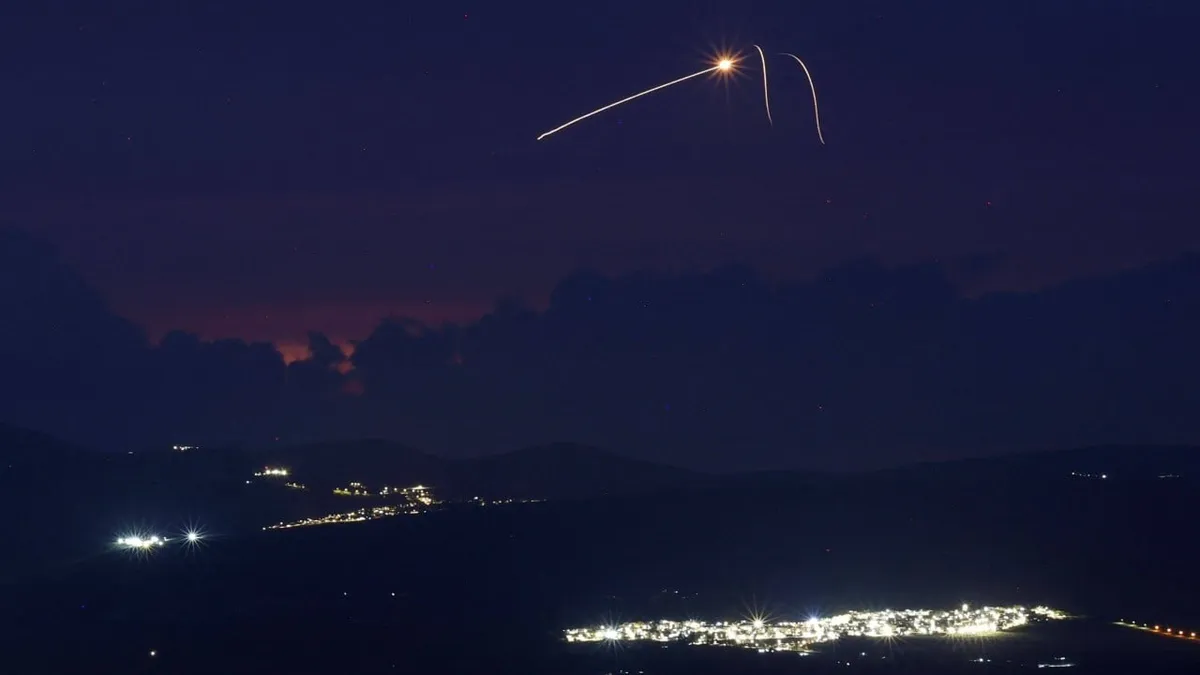
The short answer: a lot. The longer answer involves the escalating conflict between Israel and Iran, which has thrown a rather large geopolitical wrench into an already complicated set of gears. Planning an international peacekeeping deployment is hard enough under normal circumstances. Doing it while the broader Middle East is increasingly on fire adds several new layers of bureaucratic and logistical nightmare to the mix.
According to the ABC News report, the promise of a stabilization force was made during a period of cautious optimism about a ceasefire framework. But with regional tensions spiking following developments in the Iran-Israel conflict, nations that might have volunteered troops and resources have reportedly grown more hesitant - because nobody wants to plant a flag in the middle of an expanding conflict zone.
The gap between announcement and action
This is, unfortunately, not a new phenomenon in international diplomacy. History is littered with promised multinational forces, coalitions of the willing, and stabilization missions that lived longer in press releases than in practice. Gaza, with its extraordinarily complex political, humanitarian, and security dimensions, represents perhaps the most difficult possible test case for such an effort.
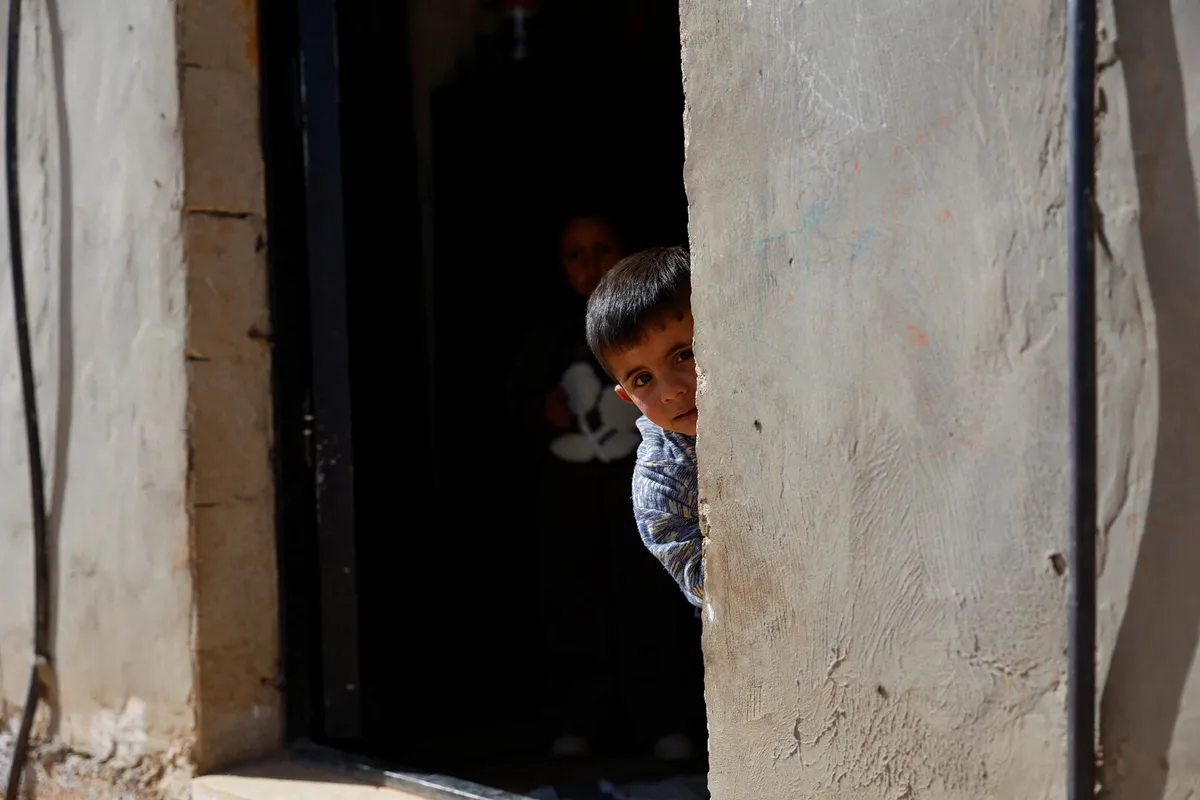
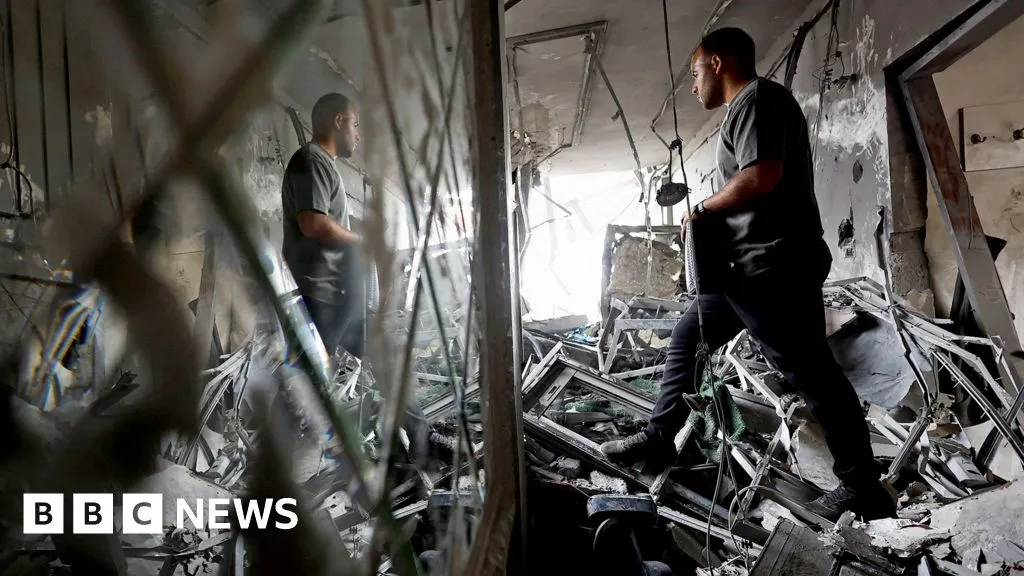
The humanitarian situation on the ground meanwhile continues to deteriorate - a point that makes the delay not just diplomatically embarrassing but genuinely consequential for the millions of civilians caught in the middle.
What comes next?
That remains genuinely unclear. The ABC News report notes that the complications introduced by the broader Iran conflict have made coordination between potential contributing nations significantly harder. What was already a diplomatic high-wire act has become something closer to tightrope walking during an earthquake.
For now, the international stabilization force exists primarily as a concept - well-intentioned, repeatedly referenced, and stubbornly absent from the actual streets of Gaza. The world, it seems, is still searching for volunteers willing to turn the PowerPoint into pavement.
Whether that changes in the coming weeks will depend heavily on how the wider regional situation evolves - and whether the political will that was loudly declared three months ago can survive contact with the messy reality on the ground.