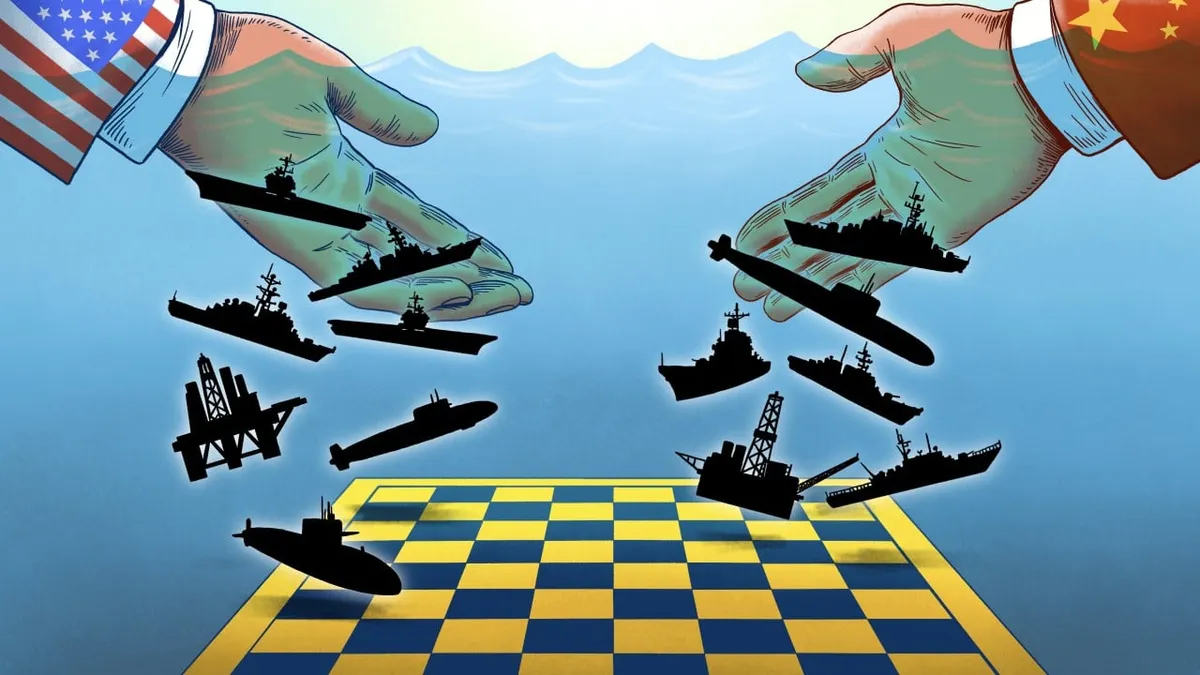
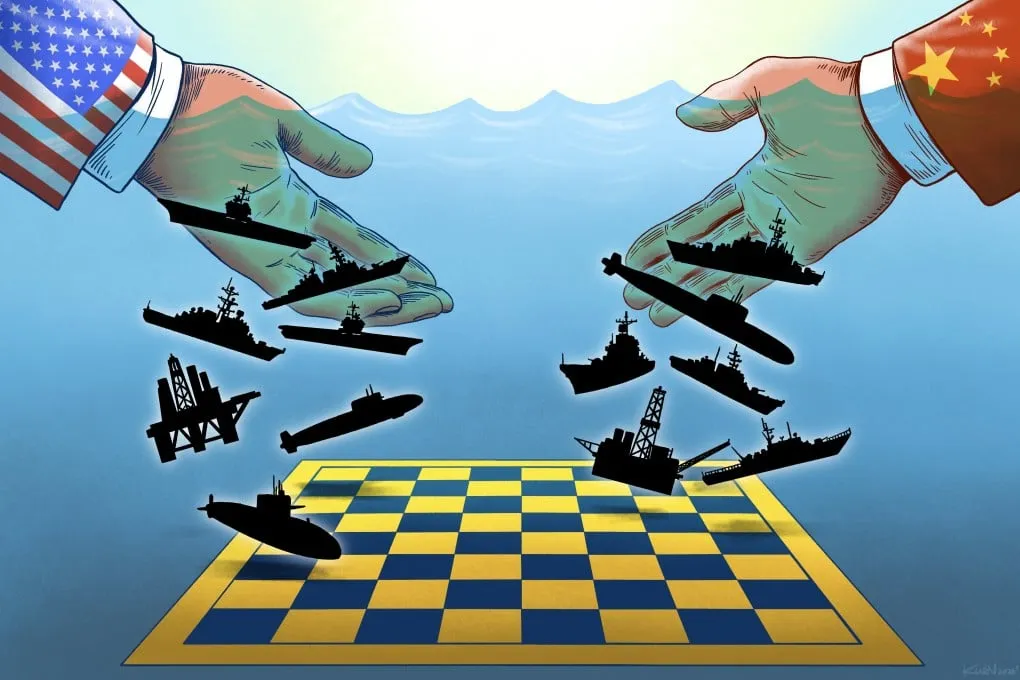
Forget trade tariffs and diplomatic spats over semiconductors. The next great arena of US-China competition is somewhere far more dramatic: the crushing, lightless depths of the ocean floor. According to reporting by the South China Morning Post, the two superpowers are locked in an intensifying contest for undersea dominance - one that blends military strategy, resource extraction, and apparently, big-budget cinema.
What's actually happening down there?
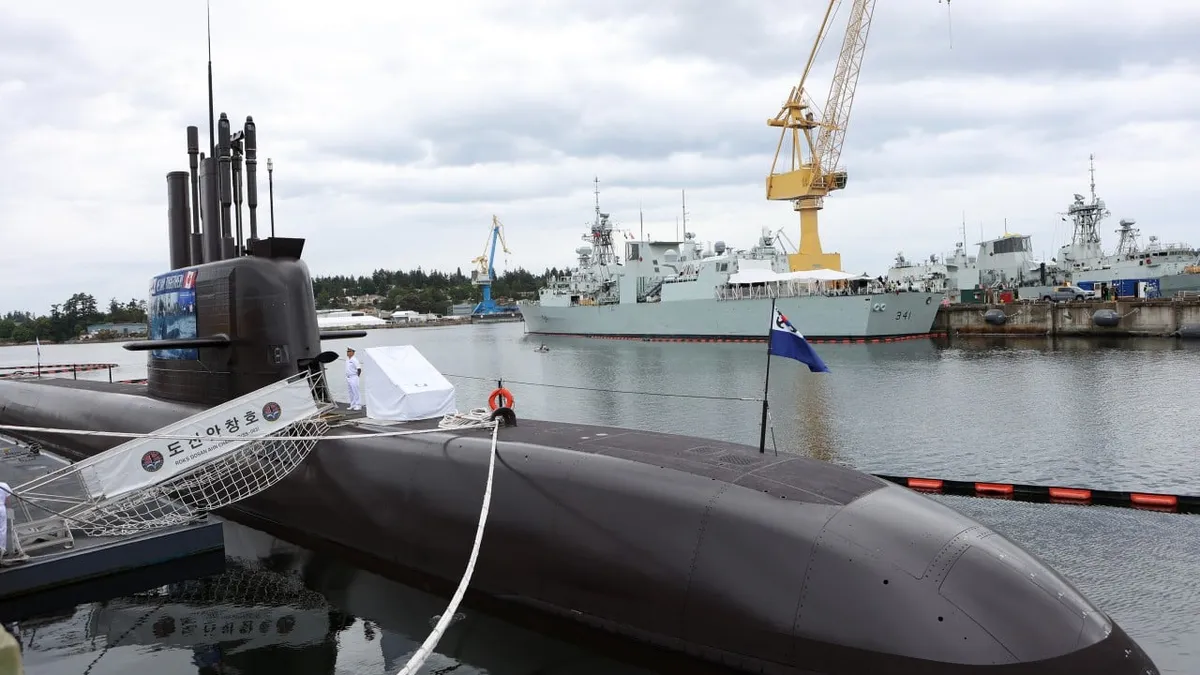
The rivalry playing out beneath the world's oceans covers two overlapping fronts. The first is military - submarines, underwater surveillance systems, and the kind of deep-sea infrastructure that keeps global communications (and, let's be honest, global paranoia) running. The second is economic, centred on the vast deposits of rare minerals sitting on the seabed, just waiting to be scooped up by whoever gets there first.
These aren't trivial stakes. Deep-sea minerals - including manganese nodules and cobalt-rich crusts - are critical ingredients for the batteries and electronics that power the modern economy. Whoever controls access to those resources holds serious leverage in the broader tech and energy transition race.
China made a movie about it, which tells you everything
In a detail that is either deeply illuminating or deeply funny (probably both), the SCMP notes that China released its first high-budget undersea military film, Operation Hadal, last year. "Hadal" refers to the deepest ocean zones - trenches plunging beyond 6,000 metres. The fact that China greenlit a blockbuster about undersea warfare is about as subtle as a depth charge.
The bigger picture
This underwater contest is unfolding against an already turbulent backdrop. The SCMP report notes that ongoing disruption from the Iran conflict is rattling global energy supplies and piling additional pressure onto US-China relations - a relationship already stretched thin by trade disputes, Taiwan tensions, and tech competition.
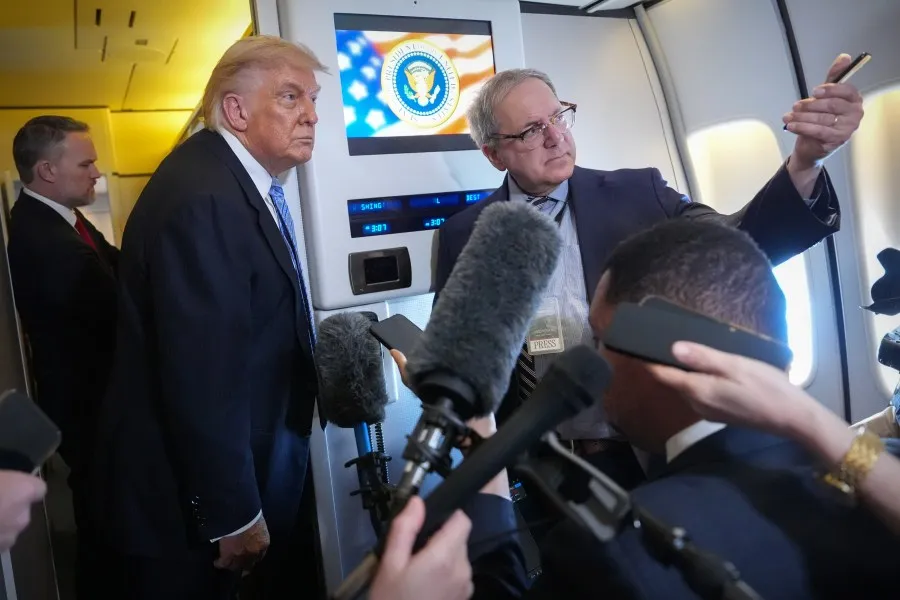
President Trump's visit to China - described by the outlet as "landmark" - is happening precisely as these fault lines are deepening. Whether diplomatic niceties at the surface can contain what's brewing far below it remains genuinely unclear.
What is clear is that both Washington and Beijing are treating the deep ocean not as a shared global commons, but as a frontier to be won. And in a rivalry defined by competition in chips, AI, and space, the ocean floor might just be the weirdest - and most consequential - front yet.
Source: South China Morning Post