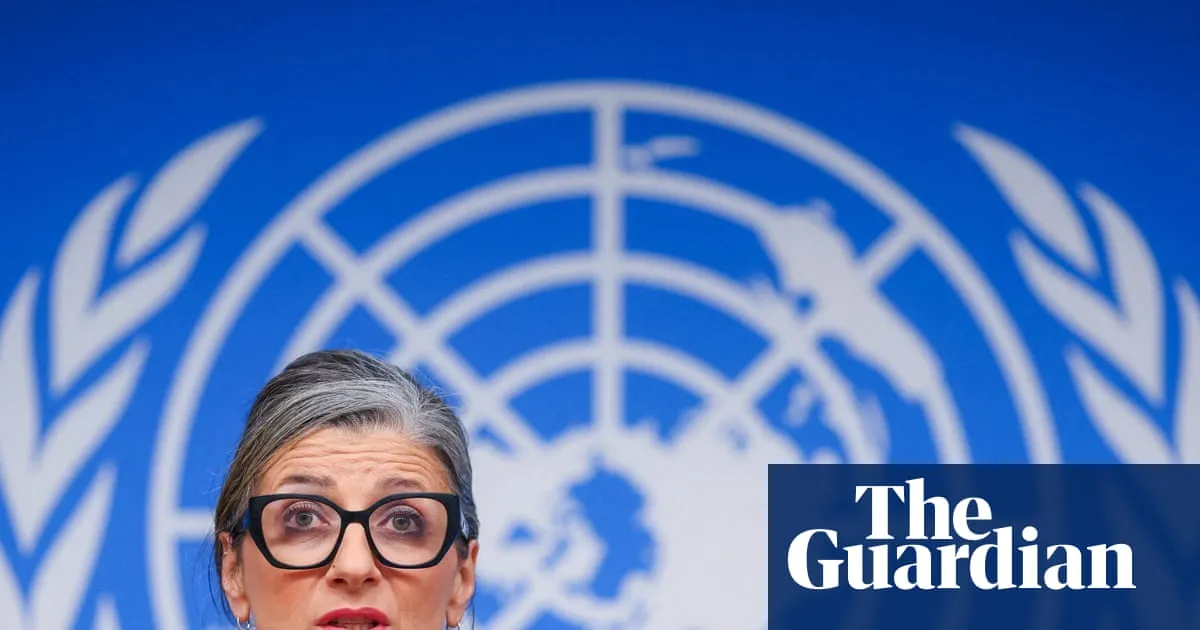
Most people get through their careers without ending up on a US sanctions list. Francesca Albanese is not most people.
The human rights lawyer and UN special rapporteur for Palestine found herself in some eyebrow-raising company last July, when the Trump administration slapped sanctions on her - placing her name alongside those of Vladimir Putin and Bashir al-Assad. Her alleged offense? Engaging with the International Criminal Court. You know, the international legal body that exists specifically to hold war crimes to account. Checks out.
According to a Guardian podcast published this week, Albanese briefly appeared to catch a break earlier this month, when it seemed the sanctions might be lifted. That window, apparently, did not stay open for long.
So what does life under US sanctions actually look like?
For a UN official doing her job - documenting alleged human rights violations in Gaza - the practical consequences of being sanctioned by the world's largest economy are significant. Bank accounts, financial transactions, and institutional relationships can all be thrown into chaos when Washington decides it doesn't like what you're saying at the podium.
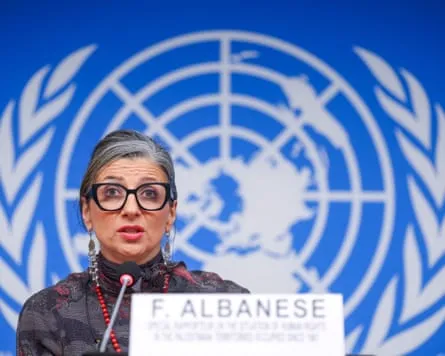
In the Guardian interview, Albanese also addressed the accusations of antisemitism that have been leveled at her throughout her work on the Palestinian file. It is a charge that critics of Israel's military campaign in Gaza frequently face, and one that Albanese has consistently rejected, arguing that documenting alleged atrocities is not the same as targeting a people or religion.
A UN rapporteur, sanctioned - a brief history of the awkward
To be clear on just how unusual this is: sanctioning a sitting UN special rapporteur is not a routine diplomatic move. These are independent experts appointed by the UN Human Rights Council to report on specific human rights situations globally. The US sanctioning one of them over her work is the kind of move that tends to make international law scholars do a long, slow blink.
Albanese has continued to speak publicly about the war in Gaza, calling for accountability and an end to what she has described - in her capacity as rapporteur - as conditions amounting to genocide. Those findings have been contested by Israel and the United States, both of whom dispute her framing and her conclusions.
The full conversation is available on the Guardian's podcast, where Albanese discusses the personal and professional toll of operating under sanctions, and what she believes the international community's obligations are toward Palestinian civilians.
Whatever you think of her conclusions, the idea that a UN human rights monitor needs to worry about whether her bank card works because Washington disapproves of her reports is - at minimum - a genuinely wild sentence to write in 2025.