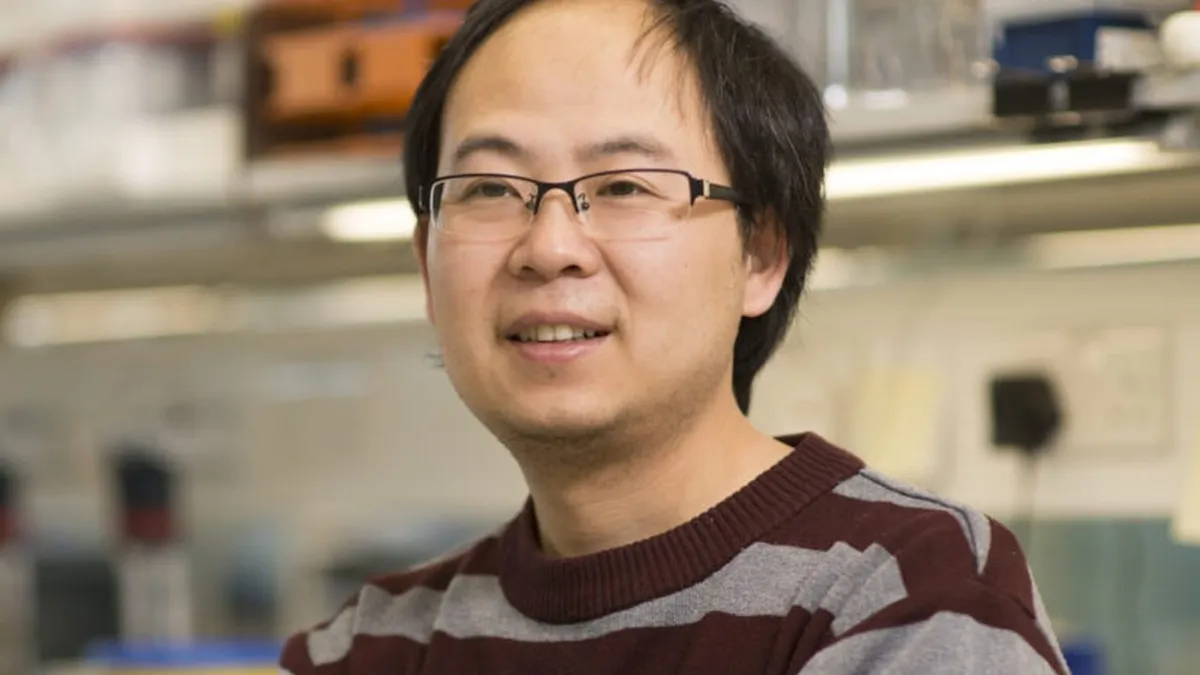
Professor Zhang Kai, considered one of the world's leading experts in cryo-electron microscopy (cryo-EM), has publicly explained his decision to leave prestigious positions in the United Kingdom and the United States to return to China - a candor that is rare among scientists who make similar moves, according to the South China Morning Post.
Zhang previously held research positions in Cambridge, England, and at Yale University, where he built a reputation as one of the most influential figures in his field. His decision to leave at what he describes as the peak of his career stands out in a research community where such professional transitions are typically accompanied by silence.
An unusual openness
The South China Morning Post reports that the vast majority of scientists who return to China from Western institutions decline to speak publicly about their motivations. Many cite political sensitivities or other non-scientific concerns as reasons for staying quiet. Zhang's willingness to discuss his reasoning openly makes him a notable exception.
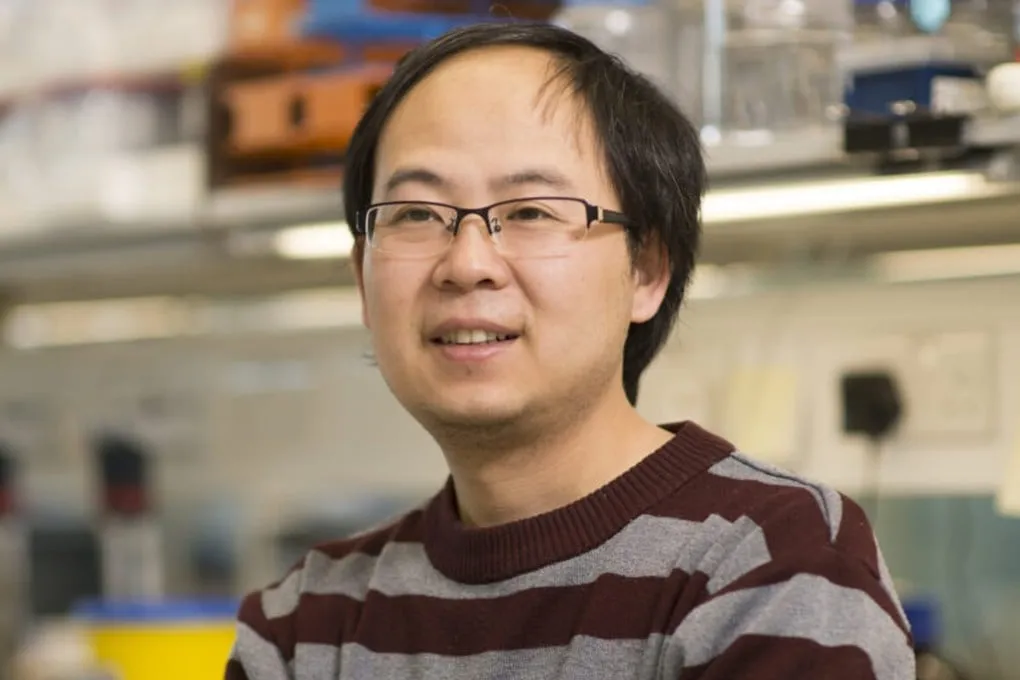
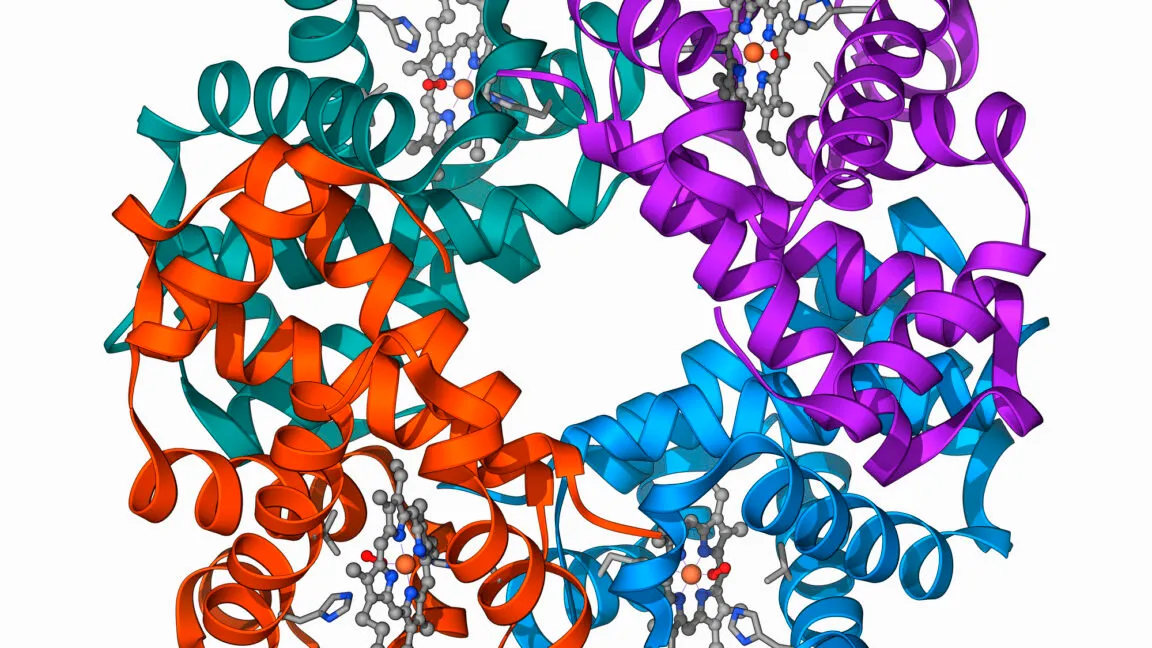
Cryo-EM is a powerful imaging technique used to study the structures of proteins and other biological molecules at near-atomic resolution. It has become one of the most important tools in modern life science research, with applications ranging from drug development to understanding the mechanisms of disease. Scientists in the field are in high demand at research institutions worldwide.
Ambitions beyond the West
According to the report, Zhang has expressed that his ambitions extend beyond what his positions at Western institutions offered him. He has indicated that returning to China presented opportunities aligned with goals he was unable to fully pursue abroad.
China has invested heavily in scientific infrastructure and talent recruitment over the past decade, launching programs designed to attract overseas researchers - particularly those with expertise in fields deemed strategically important, including advanced biological sciences and imaging technology.
Zhang's profile fits the kind of researcher such programs are designed to bring back. His standing as a top-tier cryo-EM specialist would make him a significant addition to China's domestic research capacity in life sciences.
A broader trend
The movement of scientific talent between China and Western nations has drawn sustained attention from policymakers and researchers alike. Some governments have raised concerns about the transfer of knowledge and expertise, while others emphasize the normal flow of academic mobility that has long characterized global science.
Zhang's case is notable less for the decision itself than for the public account he has offered. His openness may provide a clearer window into the professional calculations that researchers in his position face - calculations that most prefer to keep private.