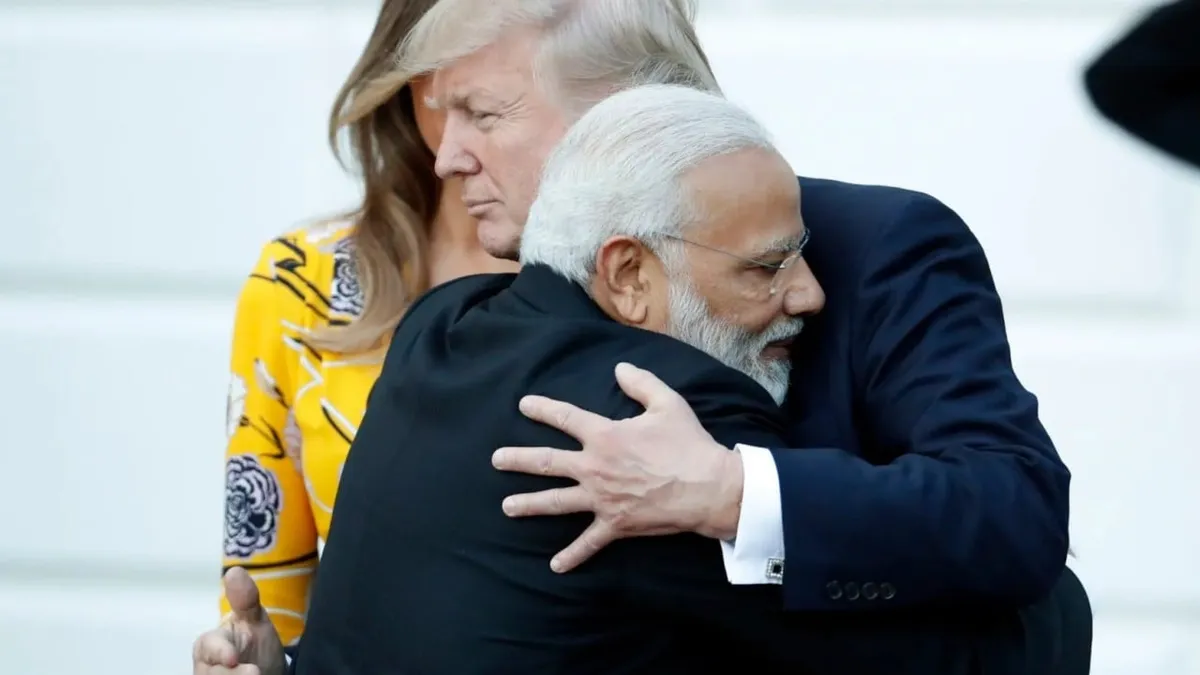
President Donald Trump has accused Iran of violating a ceasefire agreement by failing to reopen the Strait of Hormuz, escalating tensions between Washington and Tehran in the days following the truce.
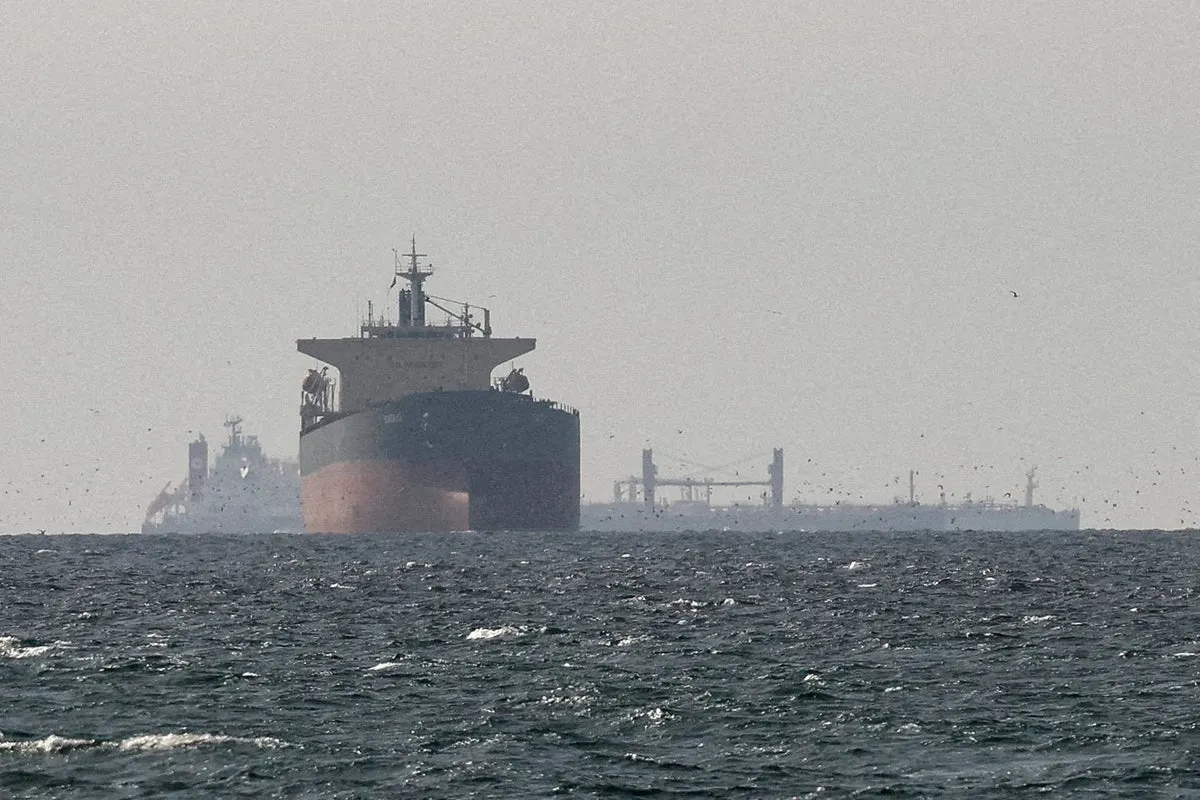
Trump made the accusation after experts told The Independent that shipping traffic through the strategically critical waterway remains at a standstill, suggesting Iran has not yet honored the terms understood to be part of the ceasefire arrangement.

A critical chokepoint
The Strait of Hormuz is one of the world's most important maritime corridors, carrying a significant portion of global oil and liquefied natural gas exports. Any prolonged closure has the potential to disrupt energy markets and supply chains internationally.
Shipping specialists consulted by The Independent confirmed that passage through the strait has not resumed, lending weight to Trump's characterization that Iran has not fulfilled its ceasefire commitments.
Competing claims
The accusation adds a new layer of friction to an already fragile diplomatic situation. Iran has not publicly responded in detail to Trump's specific claim that it is "dishonouring" the agreement, and the precise terms of the ceasefire have not been fully disclosed by either side.
The standoff raises questions about the durability of the truce and whether negotiations can proceed in good faith while a key point of contention - control and access to the strait - remains unresolved.
Broader regional context
The dispute unfolds against a backdrop of heightened tensions across the Middle East, with the broader regional security situation involving Israel and Lebanon continuing to influence diplomatic calculations for all parties involved.
Any sustained closure of the Strait of Hormuz would have consequences well beyond the United States and Iran, affecting oil-importing nations across Asia and Europe and potentially driving up global energy prices.
The situation remains fluid. Whether Iran and the United States can resolve the impasse over the strait is likely to determine the longer-term viability of the ceasefire itself, according to analysts cited by The Independent.