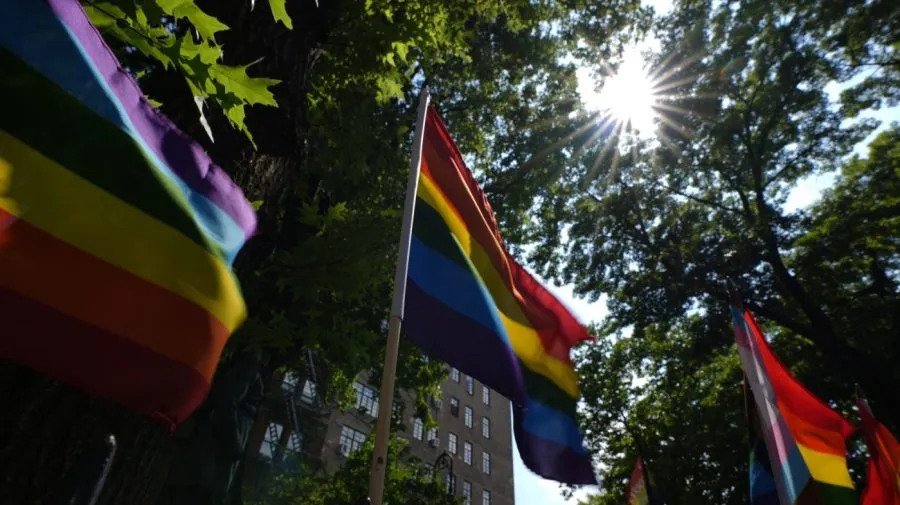
In a plot twist nobody in Washington saw coming - or at least nobody wanted to say out loud - the Trump administration has agreed to allow an LGBTQ pride flag to fly once again at the Stonewall national monument in New York City. The agreement, confirmed through court documents reviewed by The Hill, came as a direct result of a lawsuit filed after the flag was removed and the subsequent uproar that followed.
A brief history of this particular flag drama
Stonewall is not just any monument. It commemorates the 1969 riots that are widely credited as a catalyst for the modern LGBTQ rights movement in the United States - essentially ground zero for decades of activism, legal battles, and, yes, very fabulous parades. Pulling the pride flag from that specific location was, to put it mildly, a choice that was going to generate some feelings.
And generate feelings it did. The removal sparked significant public backlash and, more importantly from a legal standpoint, a formal lawsuit. According to court documents, the administration ultimately agreed to hang the rainbow pride flag at the monument, bringing the legal dispute to a close.
So... a win?
Legal observers and LGBTQ advocates are treating the settlement as a meaningful, if forced, concession. The administration did not exactly volunteer to put the flag back - it took a lawsuit and what one can imagine were some very tense legal briefs to get there. Still, the outcome is the outcome: the flag goes back up.

It is worth noting, as The Hill reports, that this agreement specifically resolves the lawsuit that was filed over the removal. The details of any broader policy implications for other federal sites remain, for now, an open question.
The bigger picture
This episode fits into a wider pattern of legal challenges pushing back against executive actions taken by the Trump administration on LGBTQ-related issues. Courts have repeatedly been the arena where these fights get resolved, and this particular bout went to the plaintiffs.
For Stonewall - a site literally built on the idea that showing up and refusing to be erased matters - having the flag returned via legal pressure carries a certain poetic irony that historians will probably enjoy writing about for decades.
The flag, it appears, stays.