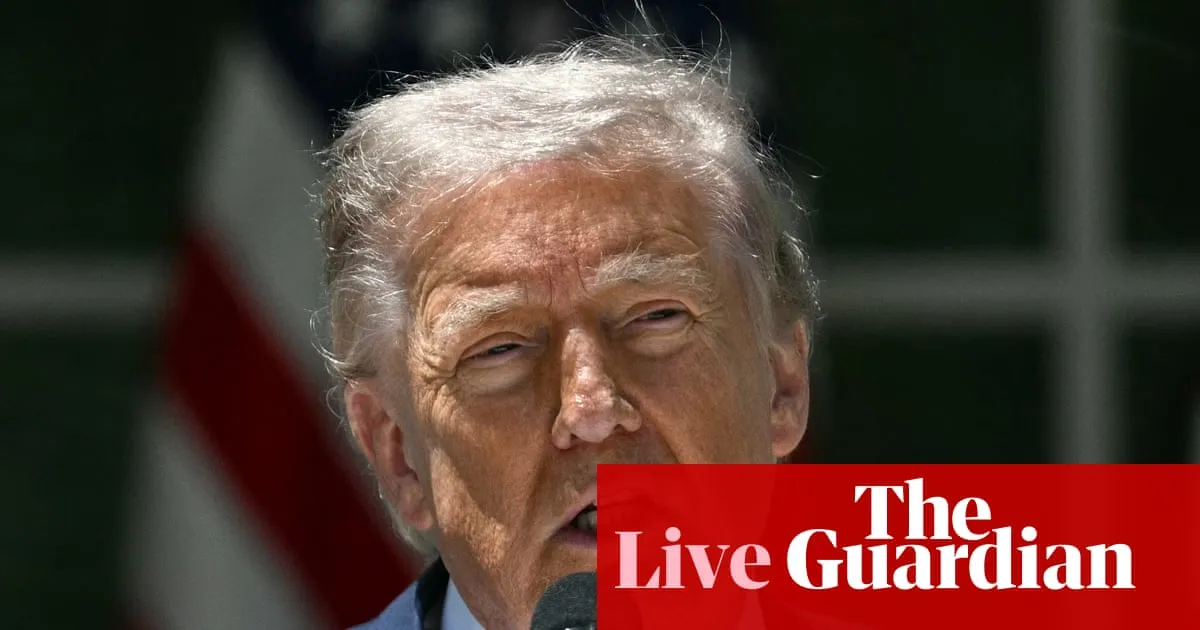
In what could generously be described as a 'we'll work out the details later' moment in diplomatic history, Donald Trump has announced that a peace deal with Iran is 'largely negotiated' - which, in dealmaking language, apparently means 'we agree on vibes but not on the single most important geographic chokepoint on Earth.'
According to reporting by The Guardian, Trump made the announcement following calls with a Pakistani mediator, Gulf allies, and Israel - essentially the geopolitical equivalent of calling all your friends before calling the person you actually had the argument with.
So what's the deal with the deal?
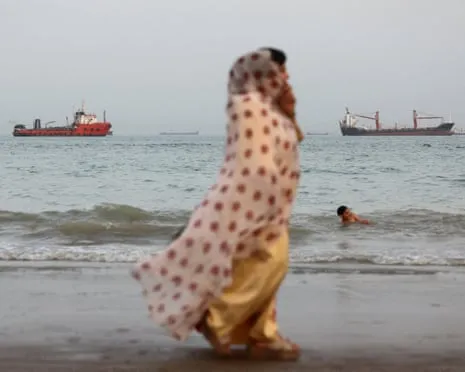
Trump claims that the Strait of Hormuz - the narrow waterway through which roughly one-fifth of the world's traded oil passes every single day - would be opened as part of the agreement. Great news for anyone with a car, a heating bill, or a functioning economy.
There is, however, a slight complication. Iran's influential Fars news agency is reporting something rather different: that the strait would remain firmly under Iranian control. Which is less 'peace deal largely negotiated' and more 'peace deal largely imagined.'
The Strait of Hormuz sits between Iran and Oman, and Iran has long used the threat of closing it as its most powerful geopolitical leverage card - a kind of 'break glass in case of sanctions' emergency button that sends oil markets into a cold sweat every time anyone mentions it.
Why this actually matters (a lot)
This isn't just a he-said-she-said diplomatic spat. The Strait of Hormuz is one of the most strategically critical waterways on the planet. Any ambiguity over who controls it - and under what conditions - is the kind of thing that makes energy markets, naval commanders, and insurance underwriters lose sleep simultaneously.
Trump reaching an agreement where the two sides apparently disagree on the Hormuz question is a bit like negotiating a house sale where the buyer and seller have different understandings of whether the house is included.
What happens next
The situation remains fluid, per The Guardian's live coverage. Pakistan's role as mediator is notable, given the country's historically complex relationships with both Washington and Tehran. Whether this 'largely negotiated' deal survives contact with the actual negotiating parties remains, diplomatically speaking, an open question.
One thing is certain: if the Hormuz question isn't resolved clearly, any deal announced will be about as stable as a sandcastle at high tide - and the global economy will be watching nervously from the shore.