President Donald Trump said Friday that he was not satisfied with Iran's most recent proposal for peace negotiations, deepening a standoff between the two countries even as a fragile ceasefire now in its third week continues to hold.
The rejection drew a sharp response from Tehran. A senior Iranian official said renewed fighting between the United States and Iran was "likely" following Washington's dismissal of the latest offer, according to reporting by France 24.

The two sides appear to remain at an impasse, with neither country signaling a clear path toward substantive talks. The ceasefire, while still intact, has not been accompanied by any formal diplomatic framework or agreement on the terms of future negotiations.
Competing positions
Trump's remarks suggest the White House views Iran's proposal as falling short of what the administration considers acceptable grounds for dialogue. The specific contents of Tehran's offer have not been publicly disclosed in full.

Iranian officials, for their part, framed the U.S. rejection as a sign of Washington's unwillingness to engage diplomatically. The warning from the senior Iranian official about the likelihood of renewed conflict reflects growing frustration in Tehran over the stalled process.
A ceasefire under strain
The three-week-old ceasefire has provided a pause in hostilities, but observers note that without a political resolution, the underlying tensions remain unresolved. The current standoff echoes previous cycles of escalation and de-escalation between the two countries, which have had no formal diplomatic relations since 1980.
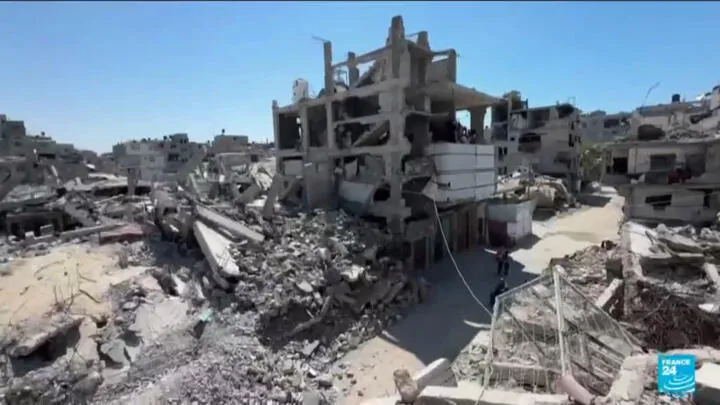
The situation continues to be closely watched by regional actors and U.S. allies, many of whom have a direct stake in the stability of the Middle East. Any breakdown in the ceasefire could have significant consequences for energy markets, regional security arrangements, and broader geopolitical alignments.
No further talks have been publicly scheduled at this stage.