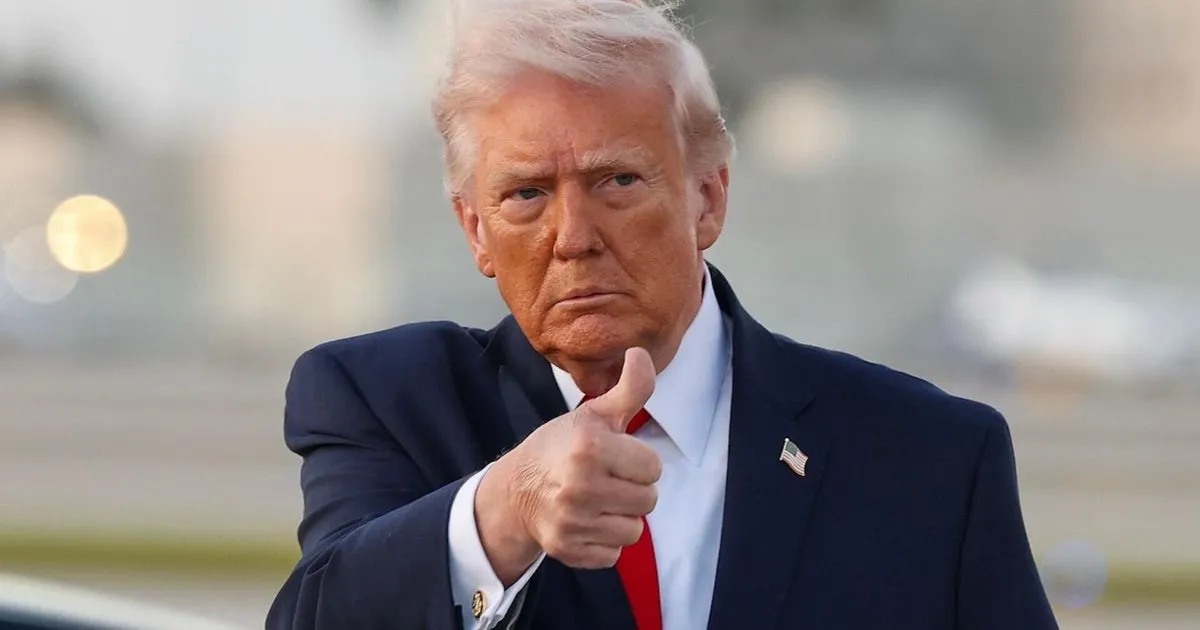
President Donald Trump traveled to Las Vegas on Thursday in an apparent effort to redirect public attention toward domestic economic issues, pulling focus away from ongoing concerns about military conflict and rising gas prices, according to CBS News.
The Las Vegas visit formed part of a broader White House strategy to steer the national conversation toward economic themes at a moment when the administration faces mounting questions on multiple fronts. Correspondent Caitlin Huey-Burns reported that Trump sought to downplay the significance of climbing gas prices during the appearance.
Economic messaging amid mounting pressures
Rising fuel costs have become a politically sensitive issue for the administration, with gas prices drawing increased attention from consumers and critics alike. The White House has pushed back against characterizations that prices pose a serious threat to household budgets, framing the broader economic picture in more favorable terms.
The decision to visit Las Vegas - a city closely tied to service industry employment and consumer spending - appeared designed to provide a backdrop suited to economic messaging. Nevada has historically been a politically competitive state, adding potential strategic weight to the trip beyond its immediate policy focus.
War and conflict in the background
The Las Vegas visit came as questions about U.S. involvement in or proximity to international conflict continued to circulate in Washington. The administration's effort to pivot toward the economy signals an awareness that military and geopolitical topics carry political risk, and that domestic pocketbook issues may offer firmer rhetorical ground.
CBS News reported that the president's team was actively working to shift the terms of the public debate, a common tactic for administrations seeking to control news cycles during periods of overlapping crises.
What comes next
It remains to be seen whether the Las Vegas trip will succeed in moving the political conversation in the direction the White House intends. Gas prices and the costs of potential military engagement are issues with direct impact on American households, making them difficult to set aside regardless of messaging efforts.
Analysts and political observers will be watching whether subsequent news coverage and public polling reflect any shift in how voters prioritize economic concerns relative to national security questions in the days following the visit.