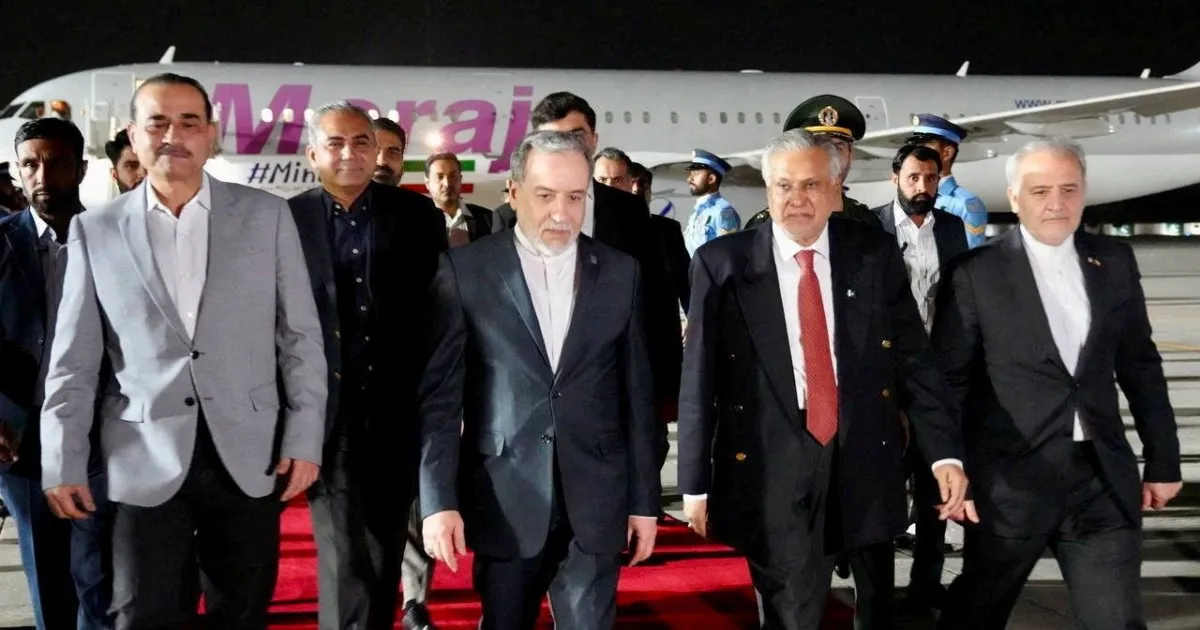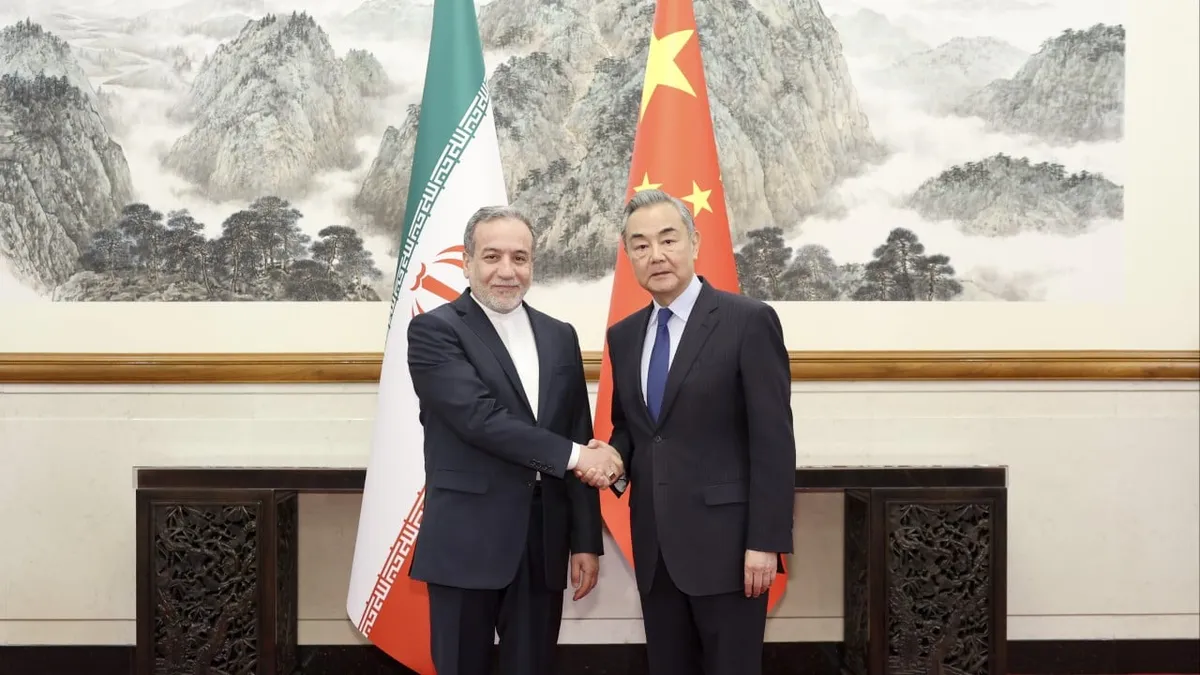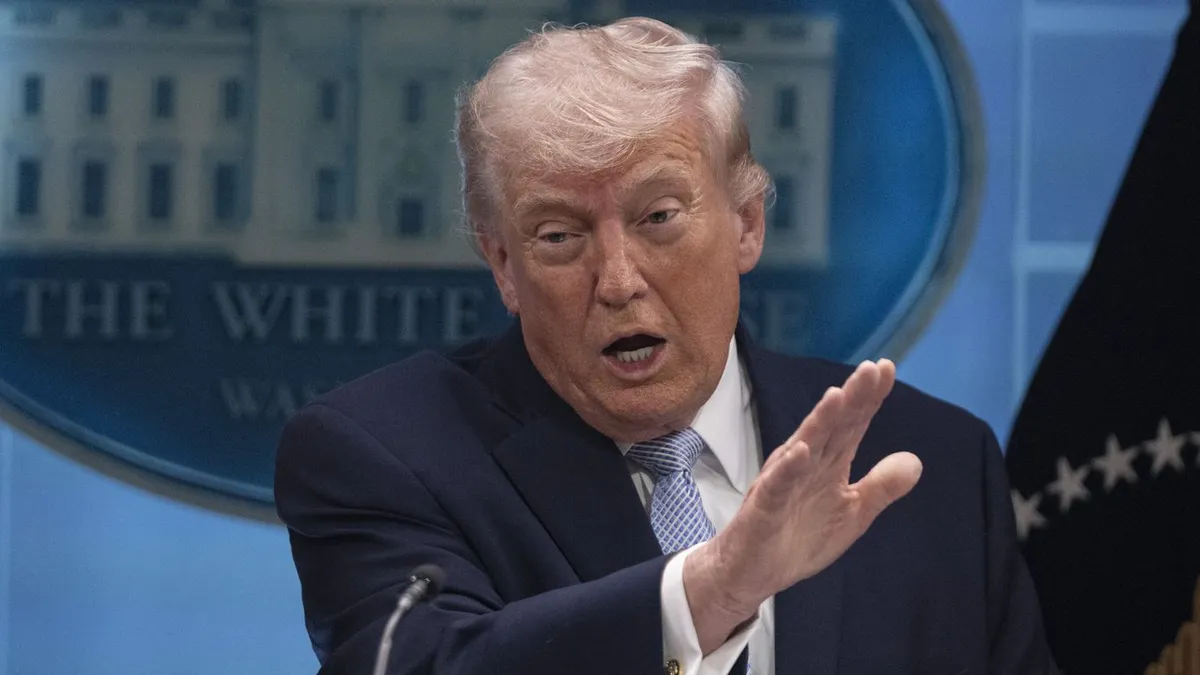
President Donald Trump's declaration that hostilities with Iran have been "terminated" has thrown a coordinated Democratic strategy on congressional war powers into significant disarray, according to reporting by Axios.
House Democrats, led by the Congressional Progressive Caucus, had been preparing to force war powers votes on a daily basis when Congress returned from recess. That plan is now in question, with lawmakers involved in the effort quietly reassessing their approach ahead of next week's return to Washington.
What Democrats had planned
The Democratic strategy centered on using war powers legislation as a pressure tool, forcing repeated votes to highlight what they viewed as the administration acting without proper congressional authorization in its confrontation with Iran. The progressive bloc had positioned the effort as a way to hold the White House accountable and put members of both parties on record.
The approach carried political weight given long-standing congressional debates over executive overreach in military matters, a concern that has crossed party lines in recent years.
Trump's declaration changes the calculus
Trump's announcement that the conflict with Iran is over has complicated the legal and political basis for pursuing those votes, at least in their original form. It remains unclear whether the planned daily war powers votes will proceed, be modified, or be abandoned entirely, according to Axios.
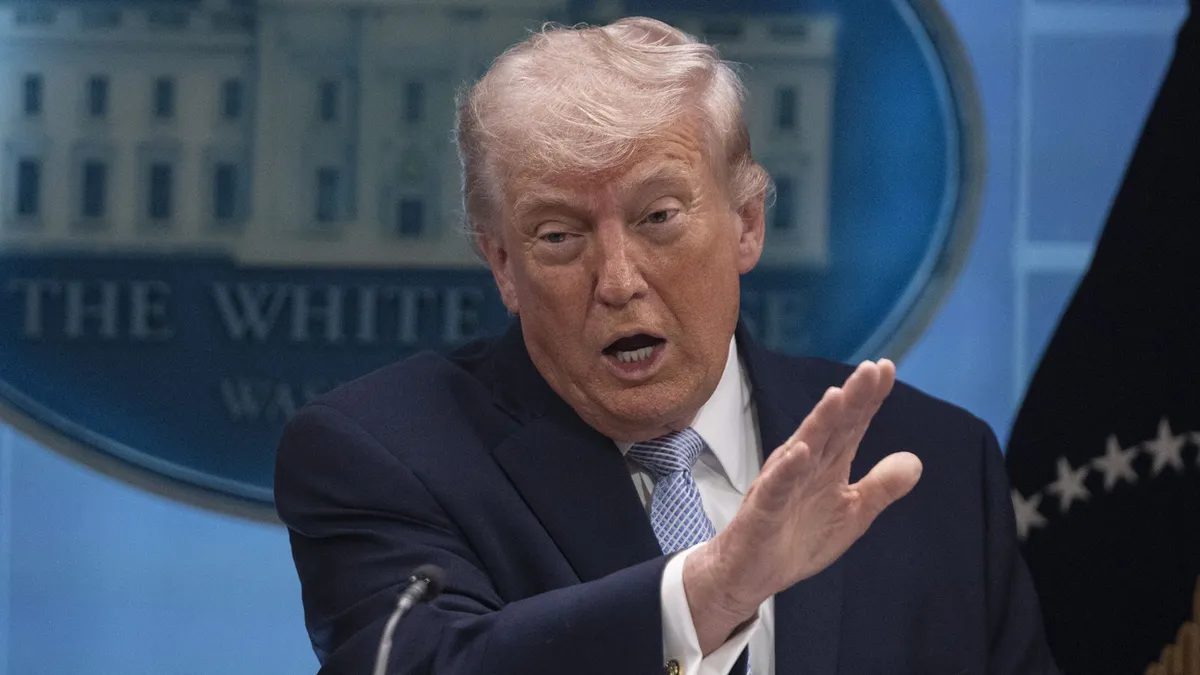
Lawmakers involved have not yet settled on a unified path forward, and internal discussions are ongoing. The uncertainty reflects how quickly the geopolitical situation shifted following the president's statement.
Broader context
The standoff between Congress and the executive branch over war powers authority has a long history in American politics. The War Powers Resolution of 1973 requires the president to notify Congress within 48 hours of committing armed forces to military action and limits the duration of such engagements without congressional approval.
Critics of successive administrations, from both parties, have argued that presidents routinely sidestep these requirements. Democrats had hoped to use the Iran situation to reassert legislative authority over matters of war and peace.
Whether Trump's declaration of terminated hostilities meets any legal threshold under the War Powers Resolution - or simply shifts the political dynamics surrounding the debate - is a question that lawmakers and legal experts are expected to weigh in the coming days.
Congress is set to return next week, at which point the revised Democratic strategy, if one emerges, will become clearer.