The United Kingdom and the European Union are approaching a finalised agreement on agricultural trade that could significantly reduce some of the barriers created by Brexit, according to testimony heard by the House of Lords.
The deal, centered on a sanitary and phytosanitary (SPS) agreement, is designed to ease the movement of food and agricultural products between the UK and EU by aligning standards on plant and animal health. Negotiations have advanced to a stage where officials consider an agreement close to finalisation.
Seafood exports among potential beneficiaries
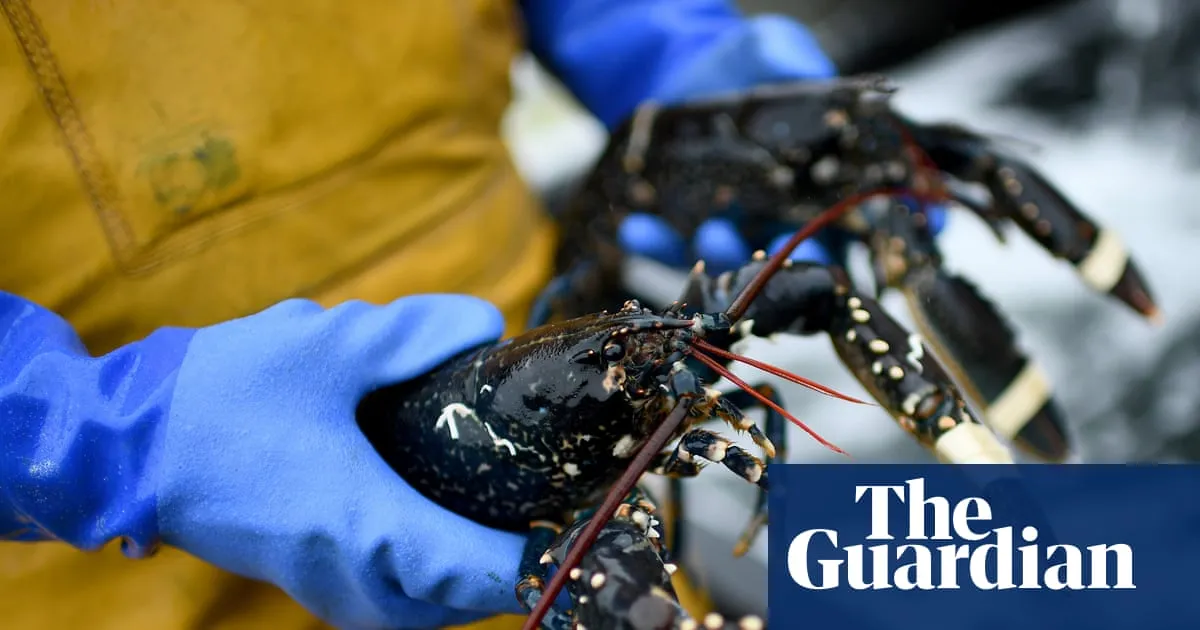
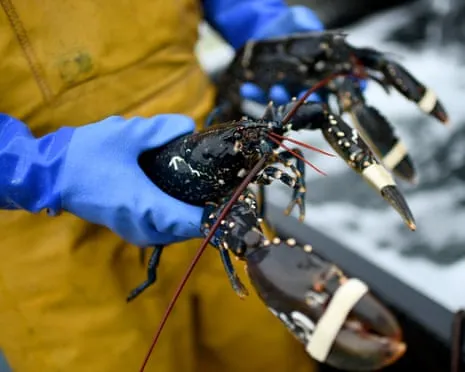
Among the sectors expected to benefit most are Scottish shellfish producers, who have faced significant export difficulties since the UK's departure from the EU's single market. Scottish langoustines and oysters were cited specifically in Lords proceedings as products that could see substantially increased sales if the agreement is concluded.
Scottish seafood exporters have struggled with increased customs checks, certification requirements, and border delays since Brexit took effect, costs and complications that have made some European markets less accessible than they were prior to the UK's departure.
Limits of the agreement
Despite the potential benefits for specific sectors, the agreement is not expected to resolve all trade friction between the two parties. Witnesses before the House of Lords indicated the deal would have only a "modest" overall impact on the broader UK economy, and that Brexit-related paperwork would not be eliminated entirely.
The continued existence of some administrative requirements reflects the fundamental reality that the UK remains outside the EU's single market and customs union, meaning a baseline level of border documentation is likely to persist regardless of any bilateral agreements reached.
Context and significance
An SPS agreement would represent one of the more substantive developments in UK-EU trade relations since the Trade and Cooperation Agreement came into force in 2021. Such agreements typically reduce the need for repeated inspections of goods by establishing mutual recognition or alignment of food safety and biosecurity standards.
The UK government has pursued closer trade ties with the EU as part of a broader reset of the post-Brexit relationship, though the terms of any agreement must balance regulatory alignment with the government's stated position of not rejoining the single market or customs union.
No final timeline for the agreement's conclusion has been confirmed publicly. Further details are expected to emerge as negotiations continue, according to reporting by the Guardian.