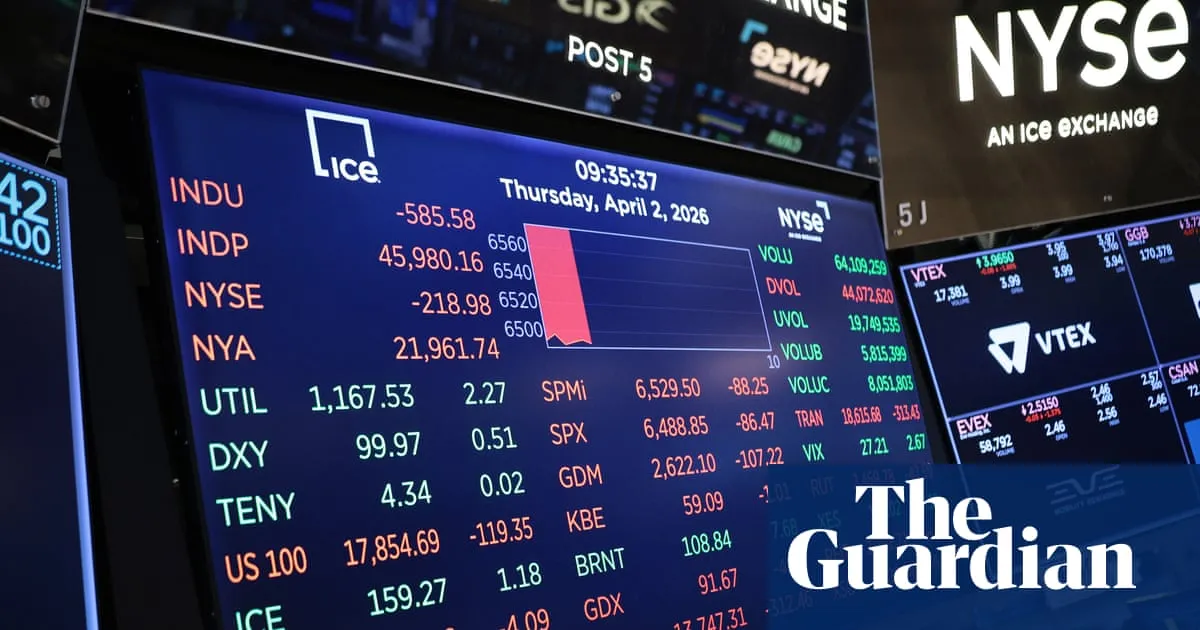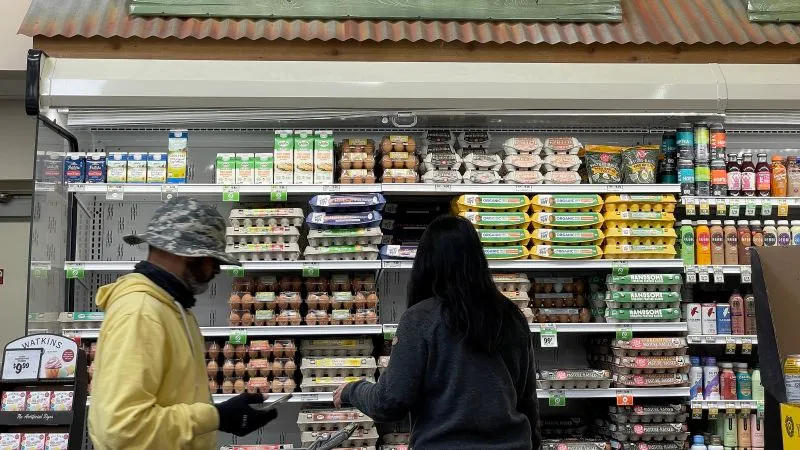
Spending at American retail outlets declined in March, as consumers pulled back amid growing fears of a recession fueled in part by the recent banking sector crisis, according to data reported by CNN.
The drop in retail activity signals a potential cooling in consumer demand, which has been one of the primary drivers of economic resilience in the United States over the past two years. A sustained pullback in household spending could have significant implications for broader economic growth.
Banking crisis adds to consumer anxiety
The retreat in spending comes in the wake of high-profile bank collapses earlier in the year, including the failures of Silicon Valley Bank and Signature Bank. Those events rattled financial markets and raised questions about the stability of the broader banking system, contributing to a more cautious mood among American households.
Economists have pointed to the banking turmoil as a factor that may have accelerated a shift in consumer sentiment, even as federal regulators moved quickly to contain the fallout from those institutional failures.

Broader economic pressures
The March retail figures add to a complex picture of the US economy. While the labor market has remained relatively strong, consumers have been contending with the lingering effects of elevated inflation, rising interest rates set by the Federal Reserve, and now uncertainty surrounding the financial sector.
Higher borrowing costs, a direct consequence of the Fed's aggressive rate-hiking campaign to bring inflation under control, have made credit card debt and consumer loans more expensive, further limiting discretionary spending capacity for many households.

What the data suggests
The decline in retail spending is being watched closely by analysts as an indicator of whether the US economy may be heading toward a contraction. Consumer spending accounts for roughly two-thirds of US economic activity, making it a critical variable in assessments of overall economic health.
Some economists argue the pullback may reflect a natural and healthy normalization after an extended period of strong post-pandemic consumer demand. Others caution that the combination of tighter credit conditions, banking instability, and reduced consumer confidence could signal more pronounced economic weakness ahead.
Further data releases in the coming months are expected to clarify whether the March decline represents a temporary dip or the beginning of a more sustained downward trend in consumer activity.