President Donald Trump has said the United States is examining the possibility of reducing its military presence in Germany, according to reporting by the BBC, as a diplomatic dispute between Washington and Berlin continues to deepen.
Trump's comments came in response to statements from German Chancellor Friedrich Merz, who had publicly criticised the American approach to the ongoing war in Iran. The exchange marks a notable deterioration in relations between two longstanding NATO allies.
A widening rift
The spat began after Merz voiced concerns about the US strategy regarding Iran, signaling a divergence in how the two governments view the conflict. Trump responded by raising the prospect of withdrawing American troops stationed in Germany - a move that would carry significant implications for European security and NATO's collective defense posture.
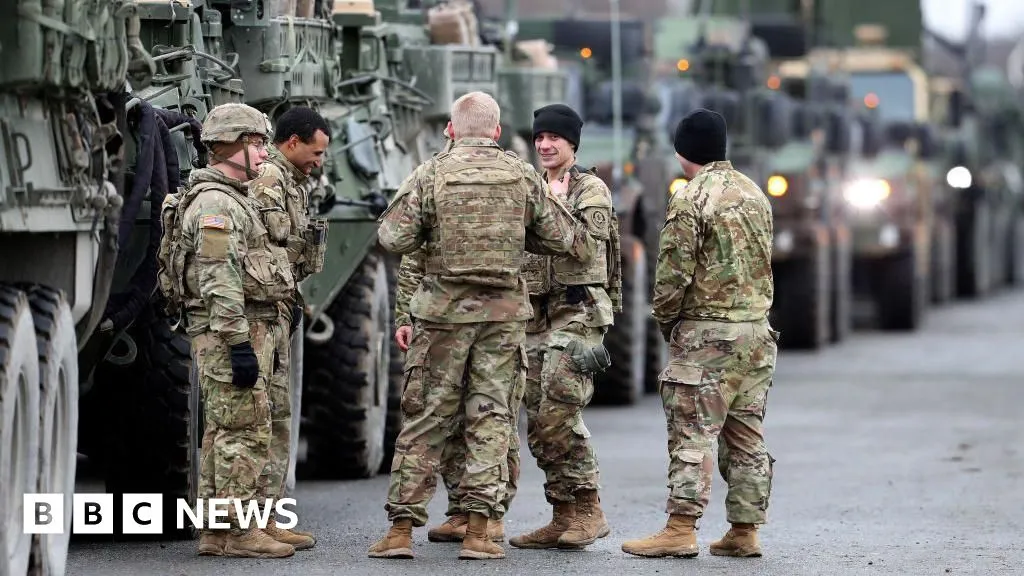
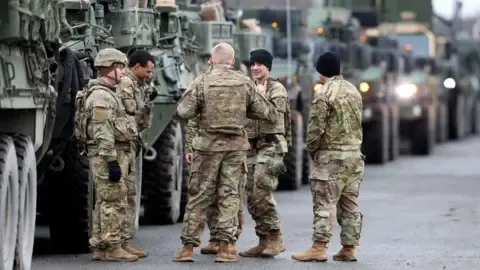
The United States currently maintains tens of thousands of military personnel in Germany, a presence dating back to the post-World War II period that has long served as a cornerstone of the transatlantic alliance. Any reduction would represent a major shift in American defense commitments to Europe.

Broader context
The friction between Trump and Merz reflects a wider pattern of strained relations between the current US administration and several European governments. Disputes over defense spending, trade policy, and now the Iran conflict have put pressure on transatlantic ties that were already showing signs of stress.
Germany, as one of Europe's largest economies and a central member of NATO, plays a critical role in the alliance's strategic planning. A drawdown of US forces there would likely prompt concern among other European partners about Washington's long-term commitment to collective security arrangements.

The BBC reported that Trump's remarks on troop cuts came as the public disagreement with Merz intensified, though the White House had not announced any formal policy decision at the time of reporting. It remains unclear whether the comments reflect a concrete plan or are intended as political pressure.
Reactions and implications
No immediate official response from the German government was cited in the BBC's reporting. The situation is being closely watched by European capitals and NATO officials, who have in recent years expressed concern about the reliability of American security guarantees under the Trump administration.
The episode underscores the degree to which the Iran conflict is reshaping diplomatic alignments, with disagreements over strategy now spilling into broader debates about military alliances and burden-sharing within the Western bloc.