The European Union has formally approved a €90 billion loan for Ukraine and adopted a 20th package of sanctions against Russia, ending weeks of diplomatic deadlock over the financial package, according to The Guardian.
EU leaders welcomed the breakthrough ahead of a scheduled summit in Cyprus, where discussions are expected to cover a range of pressing issues including the bloc's response to rising energy prices linked to ongoing conflict in the Middle East.
Loan and sanctions finalised together
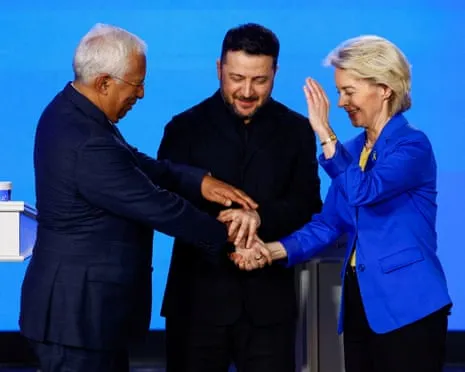
The two measures - the Ukraine loan and the new Russia sanctions - were signed off simultaneously on Thursday, in time to be announced as EU leaders gathered for the Cyprus summit. The loan, worth approximately £78 billion, had faced delays in recent weeks before member states reached agreement.
The 20th sanctions package represents a continued effort by the EU to maintain economic pressure on Moscow over its ongoing war in Ukraine. Details of the specific measures included in the package were not immediately disclosed in available reporting.
Summit agenda
The Cyprus talks were set to include discussions on how EU member states can coordinate a response to surging energy prices, a concern that has grown alongside instability in the Middle East. Energy security has remained a central challenge for the bloc since Russia's full-scale invasion of Ukraine in February 2022 disrupted supply chains across the continent.
EU leaders described the loan agreement as a significant step, with the resolution of the diplomatic impasse allowing the bloc to present a unified front on support for Kyiv at the summit.
Ukraine has relied on financial assistance from Western allies to sustain its government and military operations during the war. The €90 billion loan is among the largest single commitments the EU has made to the country since the conflict began.
The approval comes as European governments continue to navigate the dual pressures of supporting Ukraine economically and militarily while managing the domestic impact of elevated energy costs on their populations.