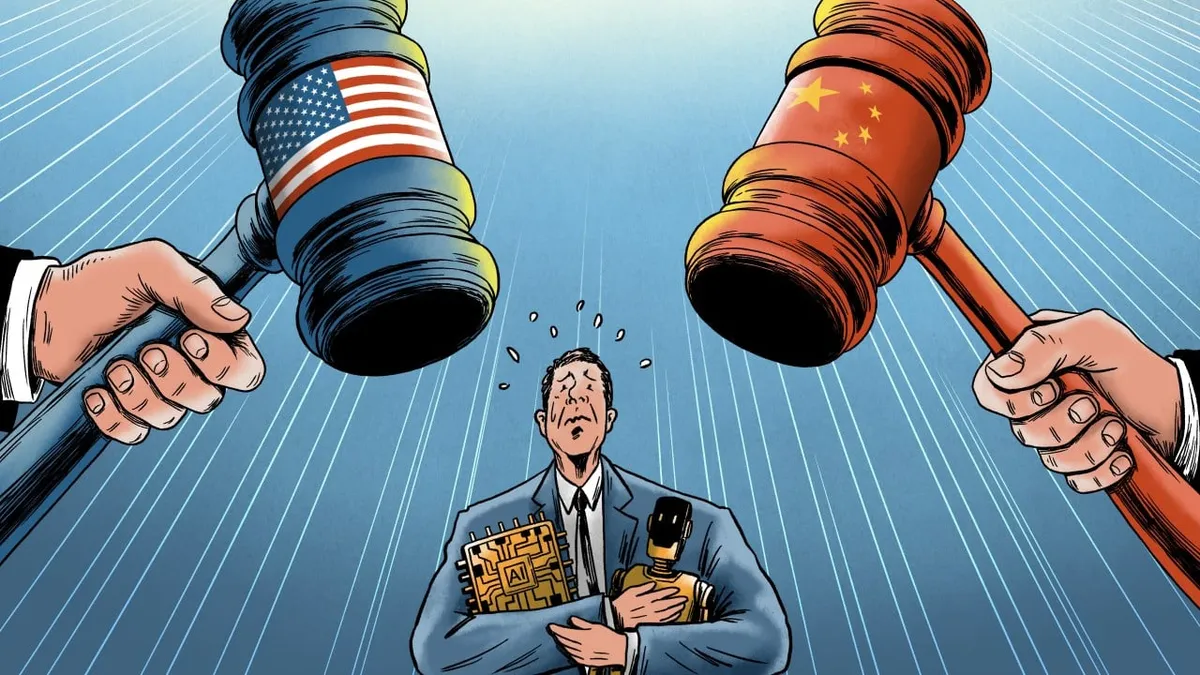
Just when you thought the US-China trade war couldn't get any more exhausting, both superpowers have decided to add a fresh layer of misery to the whole saga: a full-blown legal arms race. Because apparently tariffs, export controls, and diplomatic cold shoulders weren't enough drama.
According to reporting by the South China Morning Post, the rivalry between Washington and Beijing is entering a new and arguably more complicated phase, one fought not just through economic policy but through competing legal frameworks, trade litigation, and regulatory maneuvers designed to tie each other in procedural knots. Think less "cage match" and more "world's most expensive game of legal chess."
How did we get here?
For years, global businesses have been white-knuckling it through escalating trade tensions between the two largest economies on the planet. Companies have had to perform increasingly creative supply chain gymnastics just to stay compliant with whichever new rule dropped that week. But the situation is now being compounded by additional geopolitical turbulence. The ongoing US-Iran conflict has rattled global energy markets, adding economic uncertainty on top of an already fragile US-China relationship.
Into this mess steps Donald Trump, whose visit to China represents a significant diplomatic moment - though whether it produces anything resembling stability remains, to put it charitably, an open question.
The legal front opens up
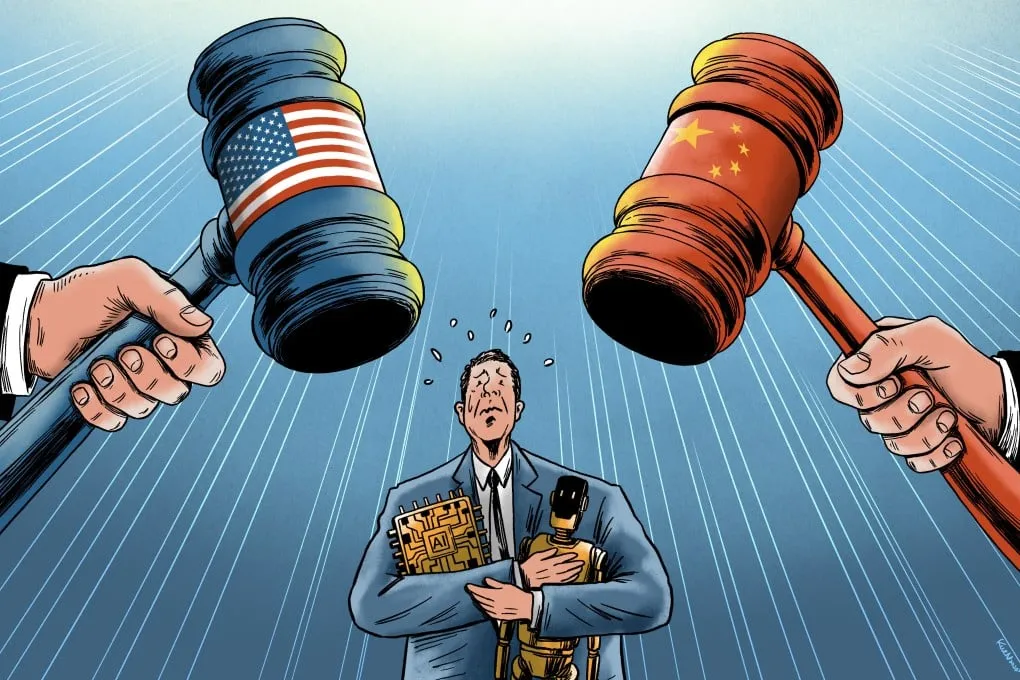
What makes this phase particularly gnarly for businesses is that legal and regulatory weapons are harder to see coming than a straightforward tariff hike. Export control lists, investment screening mechanisms, sanctions designations, and World Trade Organization complaints all operate on different timelines and through different bureaucracies. Navigating all of them simultaneously is the corporate equivalent of trying to solve a Rubik's cube while someone keeps adding new sides.
The SCMP's analysis frames this as a series examining how "rivalry, interdependence and geopolitical crises" are reshaping one of the most consequential bilateral relationships in modern history. That framing is worth sitting with. These two economies are still deeply intertwined, even as their governments work overtime to weaponize every available legal tool against each other.
What this means going forward
For anyone hoping for a clean decoupling or a grand bargain that makes this all go away, the legal arms race suggests neither outcome is imminent. Legal disputes take years to resolve. Regulatory frameworks, once built, tend to stick around. The infrastructure of economic conflict, once constructed, is very hard to dismantle.
In other words, buckle up. The lawyers are just getting started.