In a move that would make any macroeconomics professor spill their coffee, the U.S. economy has decided to flex its resilience muscles right in the middle of an active military conflict with Iran. According to reporting by NPR, the American economy actually revved up during the first quarter of 2026 - war, energy crisis, and all.
Wait, we're at war AND the economy is fine?
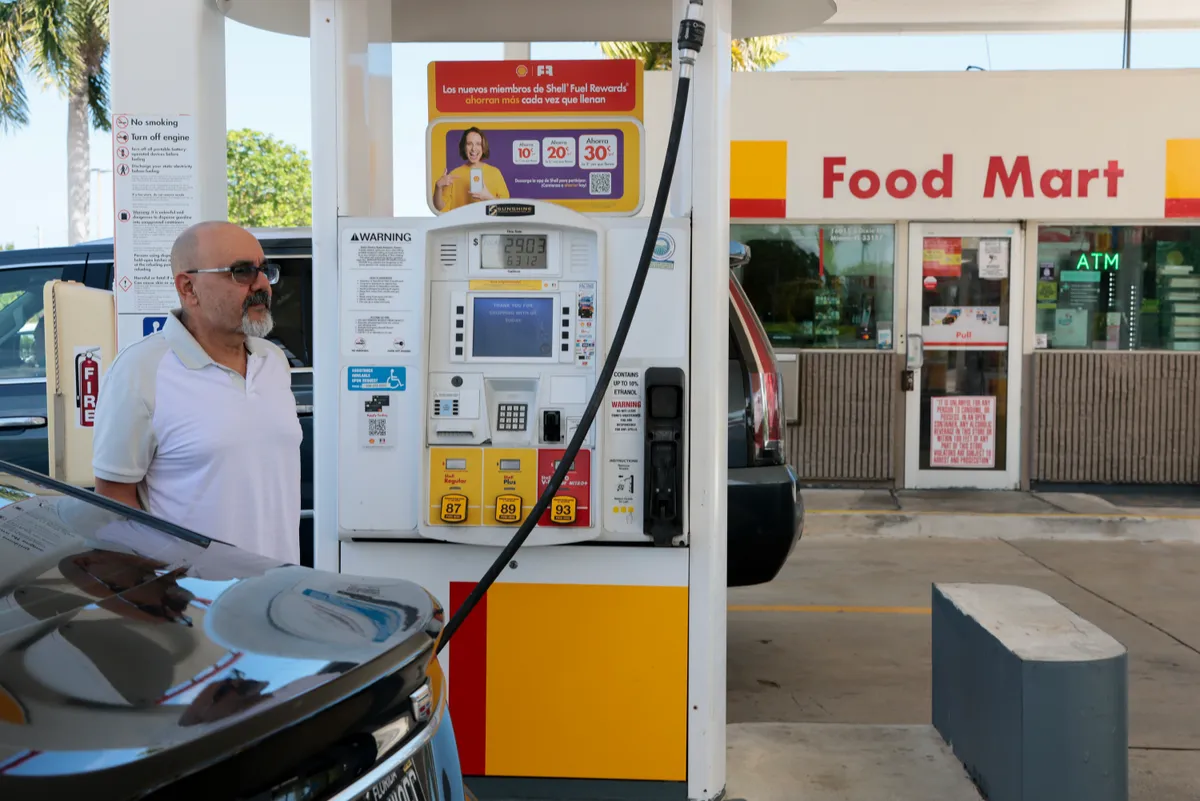
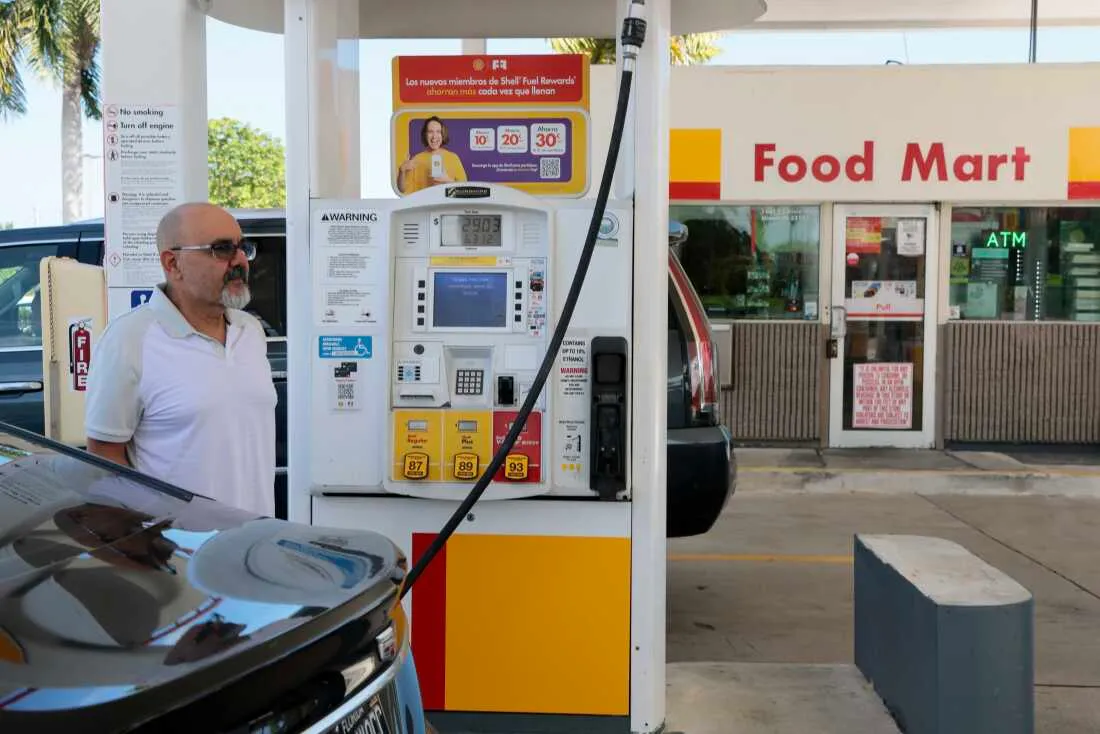
Yes, apparently. The U.S. economy posted solid growth in the January-to-March period, even as the conflict with Iran sent energy prices spiking in ways that would make your gas station receipt look like a ransom note. The war has predictably rattled global oil markets - Iran sitting on the Strait of Hormuz, one of the world's most critical oil chokepoints, tends to do that.
Despite the energy price crunch hammering consumers and businesses alike, broader economic indicators held up during Q1, according to the NPR report. It is worth noting that economic data from this period reflects conditions from months ago, and the full ripple effects of sustained conflict may not yet be fully baked into the numbers.
The oil price wildcard
The war with Iran has been the headline driver of an energy price spike that economists have been watching nervously. Iran is a major oil producer and its geographic position gives it significant leverage over global shipping lanes. Any disruption there tends to send traders into a collective panic, and pump prices follow shortly after.
The fact that GDP growth continued despite this pressure suggests underlying economic momentum was strong enough heading into the conflict to absorb at least some of the shock - at least through March.
The fine print nobody wants to read
Here is where the cautious hat goes on. A strong Q1 does not mean the economy is immune to prolonged conflict. Economists and analysts will be watching Q2 data closely, as that period will capture more of the sustained impact of elevated energy costs, potential supply chain disruptions, and general war-related uncertainty on consumer and business behavior.
In short - the economy passed the first test, but this is a multi-round exam and the grading curve is being set by geopolitical chaos.
Source: NPR. This article is based on their reporting from April 30, 2026.