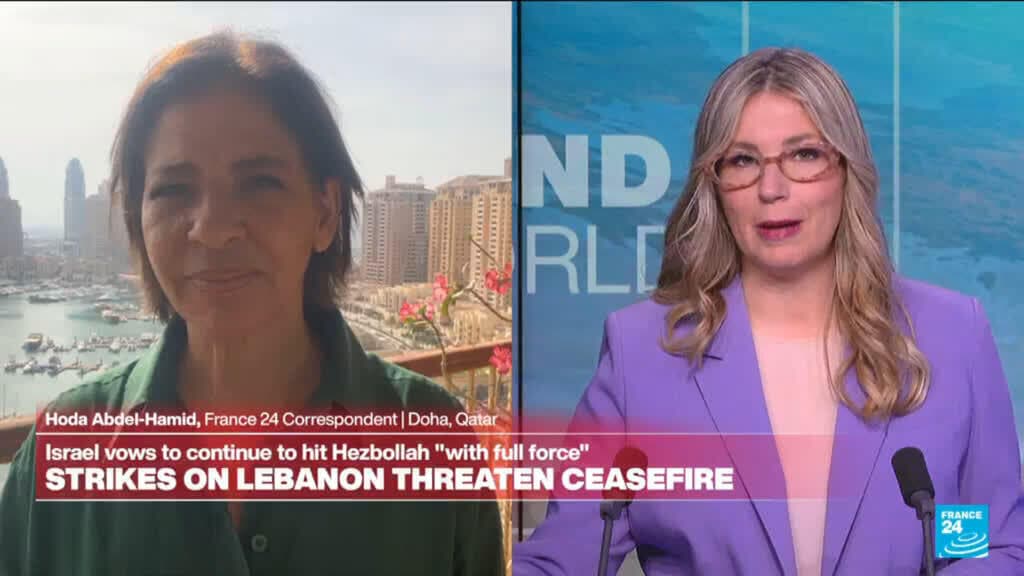
Negotiators from the United States and Iran were preparing for high-level diplomatic talks on Friday, even as the ceasefire between the two sides remained fragile and regional tensions showed little sign of easing, according to reporting by France 24's Hoda Abdel-Hamid from Doha, Qatar.
The talks are set against a backdrop of ongoing conflict, with Israeli forces and Hezbollah continuing to exchange fire despite broader diplomatic efforts to stabilise the region. Iranian authorities also maintained pressure on the Strait of Hormuz, a critical global shipping lane through which a significant share of the world's oil supply passes.
Netanyahu's Lebanon authorisation
Israeli Prime Minister Benjamin Netanyahu separately authorised negotiations with Lebanon, a development that could open a parallel diplomatic track alongside the US-Iran discussions. The move signals a potential shift in Israel's approach to its northern front, where hostilities with the Lebanese militant group Hezbollah have persisted.
The dual diplomatic tracks - one between Washington and Tehran, another potentially between Jerusalem and Beirut - reflect the interconnected nature of the regional conflicts, in which Iran's support for Hezbollah remains a central point of contention.
Doha as diplomatic hub
Qatar's capital Doha has emerged as a key venue for the negotiations, continuing its role as a mediator in regional disputes. France 24 correspondent Abdel-Hamid reported from the city, which has previously hosted talks involving multiple parties across Middle Eastern conflicts.
The choice of Doha underscores Qatar's ongoing effort to position itself as a neutral broker, having facilitated earlier rounds of diplomacy in both the Gaza conflict and broader Iran-related discussions.
Fragile ceasefire and regional stakes
The ceasefire described as shaky comes amid heightened concern over the Strait of Hormuz, where Iranian control adds an economic dimension to the security standoff. Any disruption to shipping through the strait could have immediate consequences for global energy markets.
The combination of active hostilities between Israel and Hezbollah, Iranian leverage over a critical maritime chokepoint, and simultaneous diplomatic preparations illustrates the complexity facing negotiators as they attempt to move toward a more durable agreement.
Further details on the scope and agenda of the US-Iran talks were not immediately available at the time of reporting.