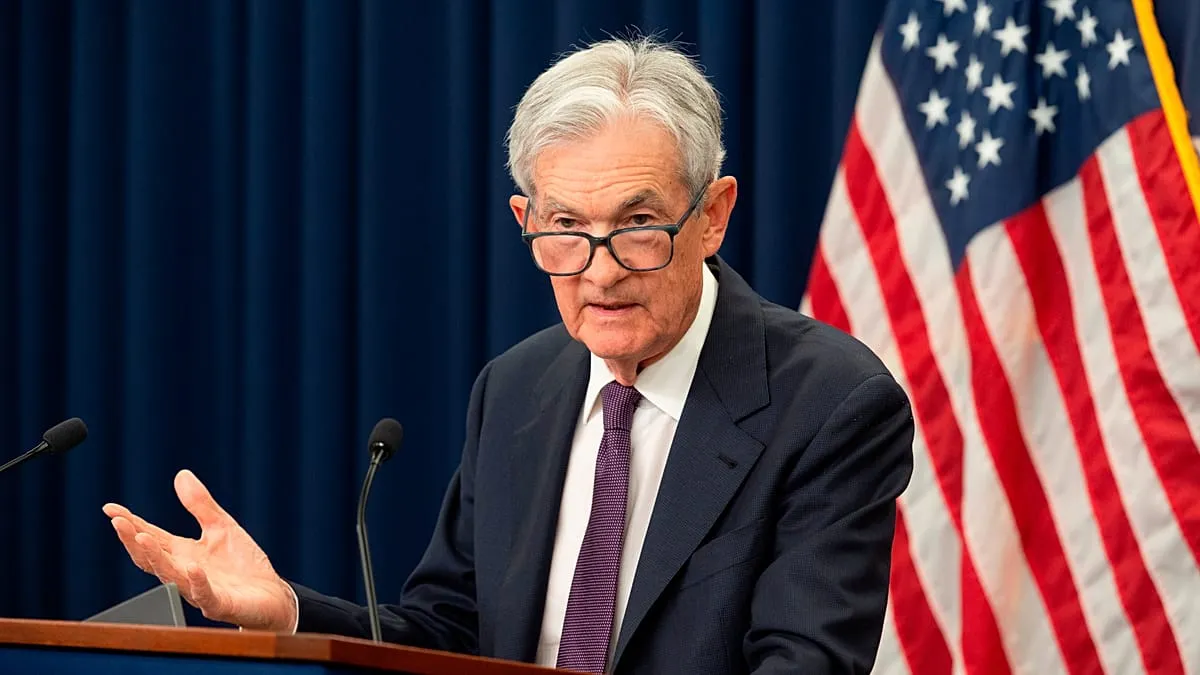
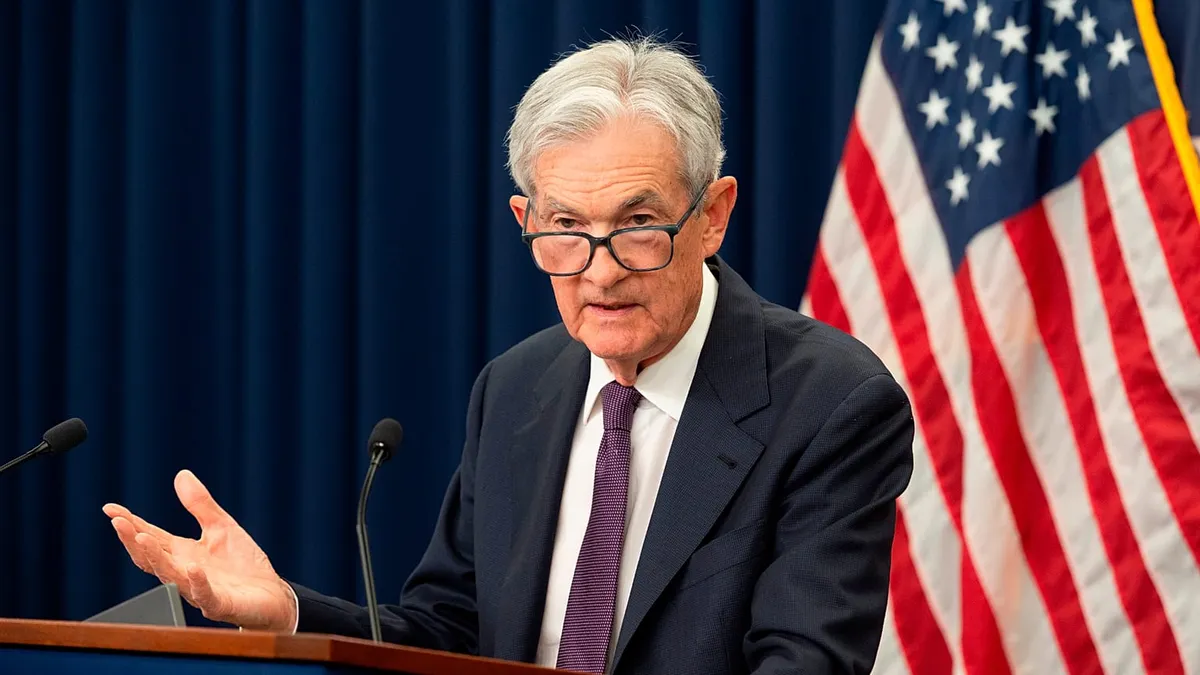
The United States Federal Reserve has held its benchmark interest rates unchanged for a third straight meeting, with chair Jerome Powell signaling he intends to remain in his role, according to reporting by Euronews.
The decision came from a divided Federal Open Market Committee, reflecting disagreement among policymakers about the appropriate path forward for monetary policy. The meeting is described as the last major rate decision to be overseen by Powell in his current capacity, though his confirmation that he will stay on adds continuity to the institution's leadership.
Middle East conflict weighs on decision
Policymakers pointed to heightened uncertainty stemming from the ongoing war in the Middle East as one of the factors complicating the Fed's economic outlook. Geopolitical instability of this kind can affect energy prices, supply chains, and broader financial market sentiment, all of which factor into the central bank's assessments.
The Fed has maintained a cautious stance across its recent meetings, opting to hold rather than cut or raise rates as it monitors inflation trends and labor market conditions alongside international developments.

Context and implications
The Federal Reserve's rate-setting decisions carry significant weight both domestically and globally. After an aggressive cycle of rate hikes aimed at curbing post-pandemic inflation, the Fed has moved into a holding pattern as it assesses whether price pressures have been sufficiently contained.
A divided committee suggests that some members favor cuts to stimulate the economy, while others remain concerned that easing too soon could allow inflation to resurface. The precise breakdown of those views was not detailed in the available source material.

Powell's decision to remain as chair provides some measure of institutional stability at a time when markets are watching closely for signals about when rate cuts might begin. His continued presence at the helm of the world's most influential central bank is likely to be welcomed by investors seeking predictability.
The Fed's next steps will depend heavily on incoming economic data, including inflation readings and employment figures, as well as how geopolitical conditions evolve in the coming weeks and months.