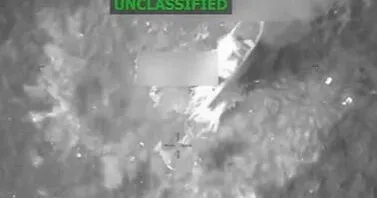
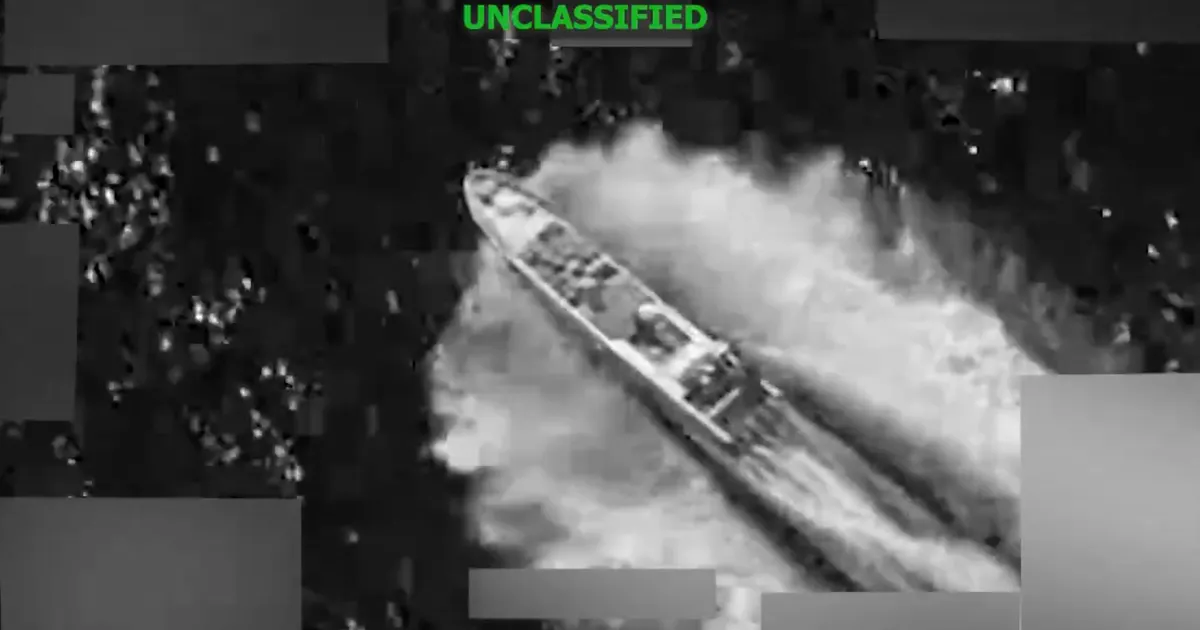
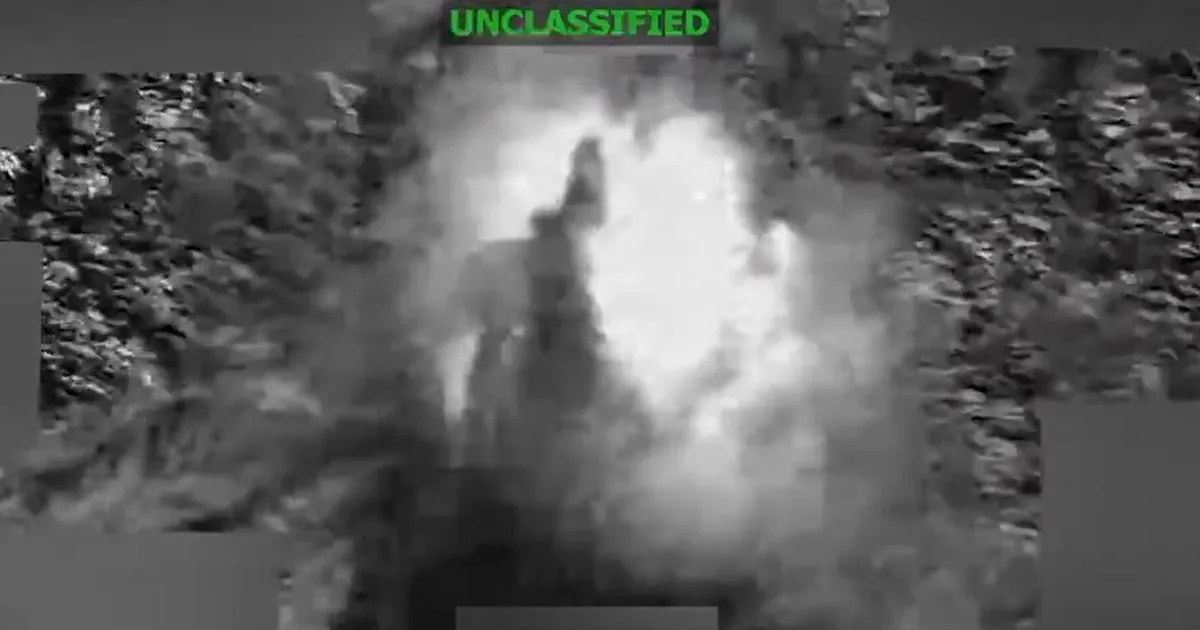
In what is shaping up to be a very bad week to be a boat in the eastern Pacific, the U.S. military has struck yet another vessel suspected of carrying drugs - killing two men onboard - just one day after a similar strike left one person dead and two others clinging to survival.
According to CBS News, U.S. Southern Command (SOUTHCOM) confirmed the second strike, marking back-to-back incidents in the same region and raising eyebrows among observers who are just now doing the math on how aggressively American forces are engaging suspected drug traffickers at sea.
What we know
The U.S. military says both vessels were suspected of transporting illegal drugs through the eastern Pacific Ocean, a notoriously active corridor for narcotics trafficking routes running from South America toward North America. In the first incident, one man was killed and two survivors were reportedly recovered. In the second, confirmed by SOUTHCOM according to CBS News, two men were killed.
It's worth noting the word 'suspected' here - these vessels were alleged drug boats, and the official framing consistently uses language like 'suspected' and 'alleged,' which is a distinction that matters enormously given the lethal outcomes involved.
The bigger picture
This escalation in direct military action against narco-trafficking vessels didn't come out of nowhere. The Trump administration has in recent months pushed for a more muscular approach to drug interdiction, including designating cartels as foreign terrorist organizations and exploring expanded military roles in counter-narcotics operations. SOUTHCOM has historically conducted maritime drug interdiction missions, but kinetic strikes resulting in fatalities draw a very different kind of scrutiny than simple vessel seizures.
Two deadly strikes in two days is the kind of operational tempo that tends to generate congressional questions, international commentary, and - inevitably - lengthy legal debates about rules of engagement on the high seas.

What isn't confirmed yet
SOUTHCOM has not publicly detailed what rules of engagement authorized the use of lethal force, whether the vessels were boarded and searched before or after engagement, or what evidence confirmed the drug-trafficking suspicion. Those are not small omissions. CBS News reported the basic facts of the strikes but details surrounding the circumstances and justification remain sparse at the time of publication.
For now, the eastern Pacific is apparently having a moment - and not the scenic, dolphin-adjacent kind.