The United States is falling behind in the competition for critical mineral resources in Central Asia, a region increasingly seen as central to the global supply chains that will define the coming decades of technological and military power, according to an analysis published by The Diplomat.
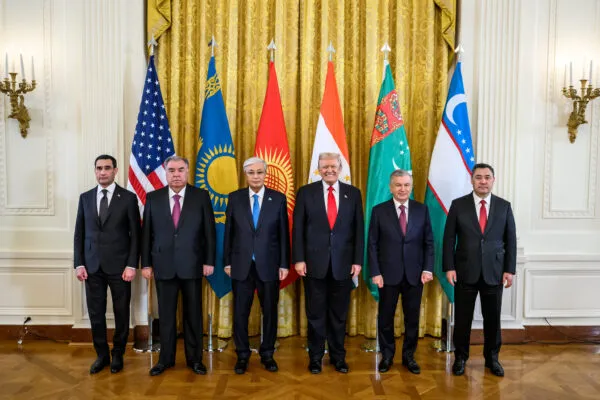
Central Asia holds substantial deposits of rare earth elements, uranium, lithium, and other materials essential for electric vehicles, semiconductors, advanced weapons systems, and renewable energy infrastructure. Countries including Kazakhstan, Uzbekistan, Kyrgyzstan, Tajikistan, and Turkmenistan sit atop reserves that competing powers have been working to secure for years.
A widening gap
China has established deep economic ties throughout the region through infrastructure investment, state-backed mining deals, and long-term supply agreements. Russia, drawing on historical relationships dating to the Soviet era, retains significant influence over energy corridors and security arrangements. Both countries have pursued coordinated, government-backed strategies to lock in access to these resources.
By contrast, U.S. engagement in Central Asia has been described as inconsistent and poorly coordinated, with efforts spread across multiple agencies and lacking a coherent long-term strategy. American private sector investment has been limited, partly due to perceived political risk and the absence of strong government backing that competitors provide to their own firms.
Strategic stakes
The competition over critical minerals has grown more urgent as governments worldwide race to reduce dependence on single-source supply chains, particularly following disruptions exposed by the COVID-19 pandemic and geopolitical tensions with China. The U.S. has identified more than 50 minerals as critical to national security and economic interests.
Central Asia's geographic position - bordered by both China and Russia, with limited direct access routes to Western markets - presents logistical and political challenges for American engagement. However, analysts cited in The Diplomat's report argue those challenges are not insurmountable, and that several regional governments have signaled interest in diversifying their economic partnerships away from Beijing and Moscow.
Kazakhstan in particular has been cited as a country seeking to balance its relationships between major powers, presenting a potential opening for deeper U.S. and Western involvement in its mining sector.
Calls for coordinated action
The analysis argues that without a sustained and coordinated U.S. push - combining diplomatic engagement, development finance, and private sector incentives - Washington risks being effectively locked out of supply chains that will shape global power for generations.
Some steps have been taken. The U.S. International Development Finance Corporation and various trade initiatives have sought to expand economic ties in the region. But critics argue these efforts remain insufficient in scale and consistency compared to what China has deployed through mechanisms like the Belt and Road Initiative.
The report comes as the Biden and Trump administrations have both identified critical mineral supply chain security as a top priority, though translating that priority into durable regional partnerships in Central Asia has proved difficult.