India faces growing uncertainty over its continued energy trade with Russia following the expiration of a United States sanctions waiver, according to reporting by The Diplomat. The development comes at a moment when geopolitical turbulence in the Gulf region appears to be reshaping strategic calculations for both New Delhi and Moscow.
The waiver had provided India with a degree of protection from secondary sanctions as it continued to import Russian oil at discounted prices - a practice that expanded sharply after Western nations imposed sweeping economic penalties on Russia following its 2022 invasion of Ukraine.
With that legal buffer now gone, Indian policymakers must navigate a more difficult path between maintaining ties with a key energy supplier and avoiding friction with Washington, which has pushed allies and partners to reduce their dependence on Russian resources.
Gulf instability as a complicating factor
The Diplomat reports that instability across the Gulf has added a new dimension to the situation. Disruptions in that region - historically a cornerstone of India's energy supply - have reinforced New Delhi's interest in maintaining diversified sources of oil and gas, including from Russia.
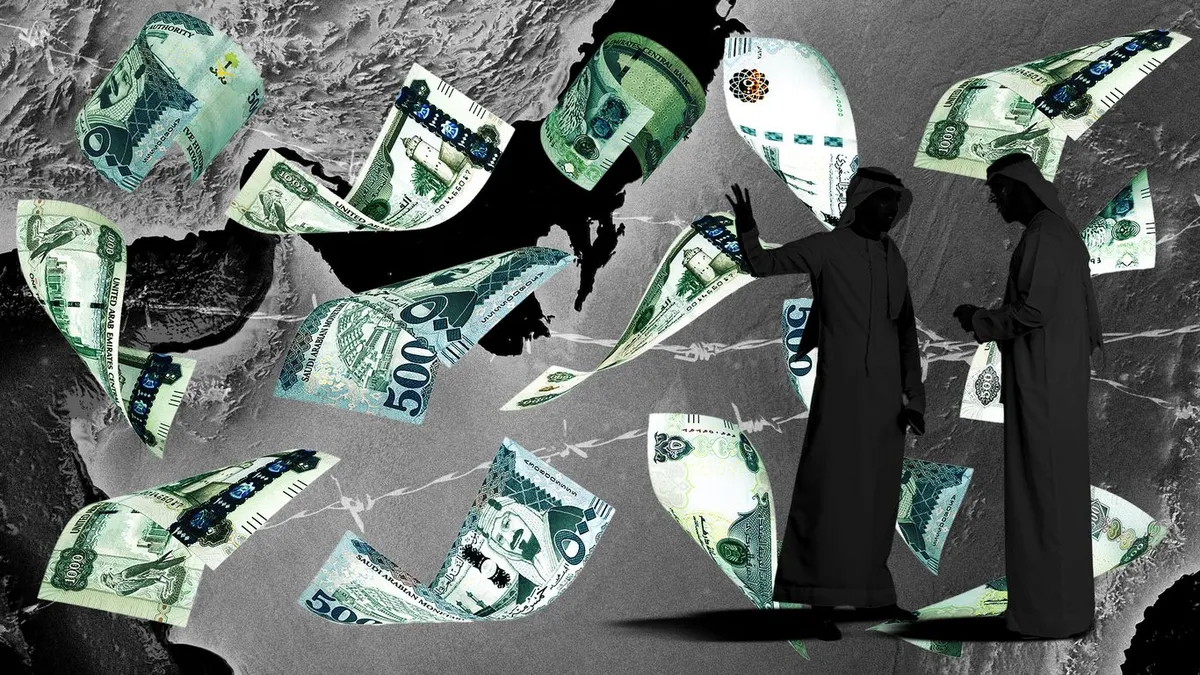
For Moscow, continued trade with India represents a critical economic lifeline as European markets remain largely closed. The two countries have deepened financial arrangements, including settlements in non-dollar currencies, to work around the existing sanctions framework.
These converging interests, the report suggests, may provide fresh momentum for India-Russia ties even as the diplomatic and legal environment grows more complex.
Balancing act for New Delhi
India has long maintained a policy of strategic autonomy, resisting pressure from Western governments to take a firm stance against Russia while simultaneously deepening its security and economic relationships with the United States and its allies.
The expiration of the sanctions waiver sharpens that balancing act considerably. Indian officials have not publicly confirmed what policy adjustments, if any, are planned in response. The US government has also not yet indicated whether it intends to issue a new waiver or take enforcement action against Indian entities engaged in Russian energy trade.
Analysts have noted that Washington faces its own dilemma - pressing India too hard risks pushing a strategically important partner further toward Moscow at a time when the US is seeking to counterbalance Chinese influence across Asia.
The situation remains fluid, with no formal resolution announced by either the Indian or American governments as of the time of reporting.