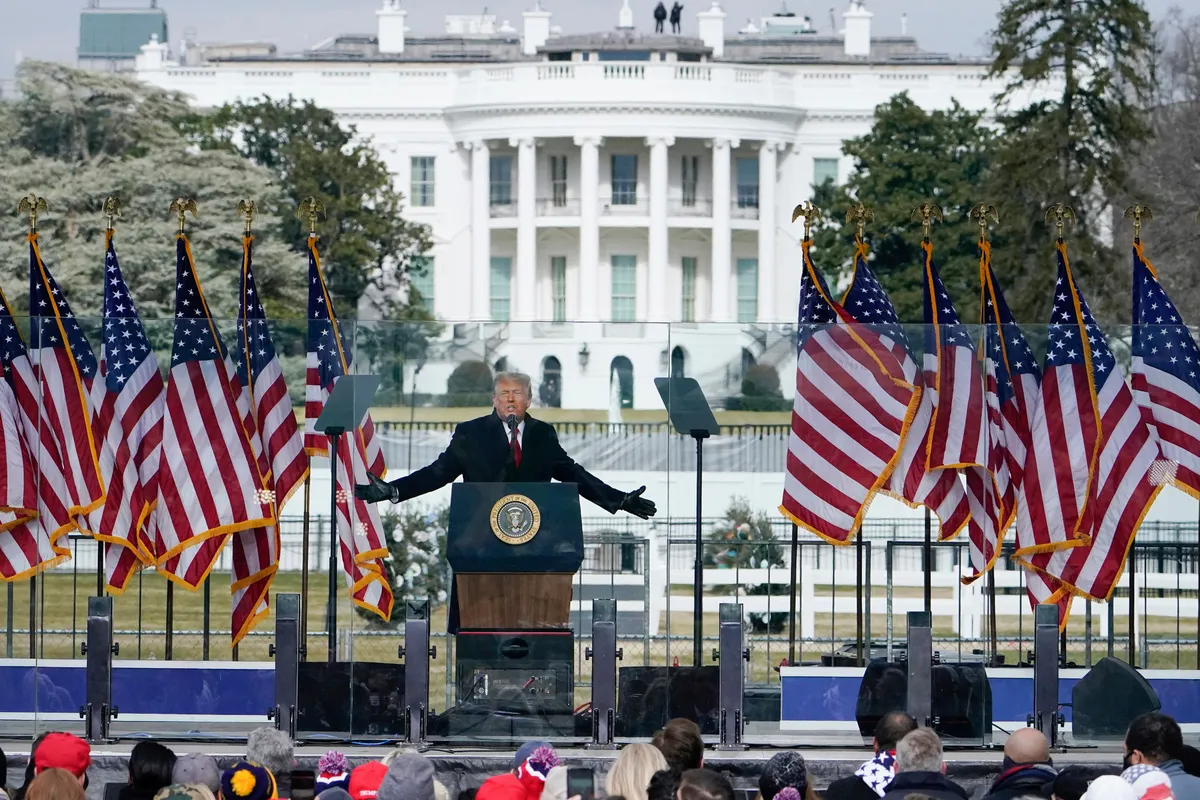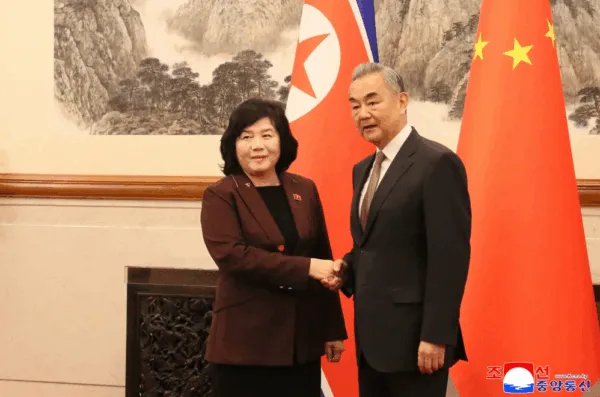
Chinese Foreign Minister Wang Yi's recent visit to North Korea was driven by three interconnected strategic calculations, all pointing toward the anticipated summit between President Xi Jinping and U.S. President Donald Trump, according to an analysis published by The Diplomat.
The visit underscores Beijing's effort to manage multiple diplomatic pressures simultaneously, using its relationship with Pyongyang as both a lever and a signal in its broader dealings with Washington.
Reasserting influence over Pyongyang
One of China's primary objectives, according to the analysis, was to reaffirm its role as North Korea's most consequential patron at a moment when Pyongyang has been deepening military and economic ties with Russia. Beijing is reportedly concerned that Moscow's growing relationship with Kim Jong Un risks reducing Chinese leverage over a neighbor it has long regarded as a strategic buffer state.
A bargaining chip with Washington
The second calculation centers on the Trump-Xi summit itself. China is said to be positioning its influence over North Korea as a potential area of cooperation - or at minimum, a demonstration of relevance - that could be brought to the negotiating table. The Trump administration has shown renewed interest in diplomatic engagement with Pyongyang, and Beijing may be signaling that any progress on the Korean Peninsula will require Chinese involvement.
Regional stability as a diplomatic narrative
The third goal relates to how China wishes to present itself on the world stage ahead of the high-profile bilateral meeting. By engaging Pyongyang diplomatically, Beijing reinforces its self-portrayal as a stabilizing force in Northeast Asia - a framing it hopes will carry weight with both the United States and other regional actors watching the Trump-Xi talks closely.
Broader context
The Wang Yi visit comes during a particularly fluid period in East Asian geopolitics. North Korea's military cooperation with Russia, including reported weapons transfers related to the war in Ukraine, has drawn criticism from Western governments and complicated Beijing's regional calculus. China has historically opposed both nuclear escalation on the Korean Peninsula and the presence of additional U.S. military assets in the region.
The timing of the visit - weeks before the expected Trump-Xi summit - suggests Beijing is actively shaping the diplomatic environment rather than reacting to it, according to the analysis from The Diplomat.
No specific date for the Trump-Xi summit has been officially confirmed, though both governments have indicated talks are expected to take place in May.