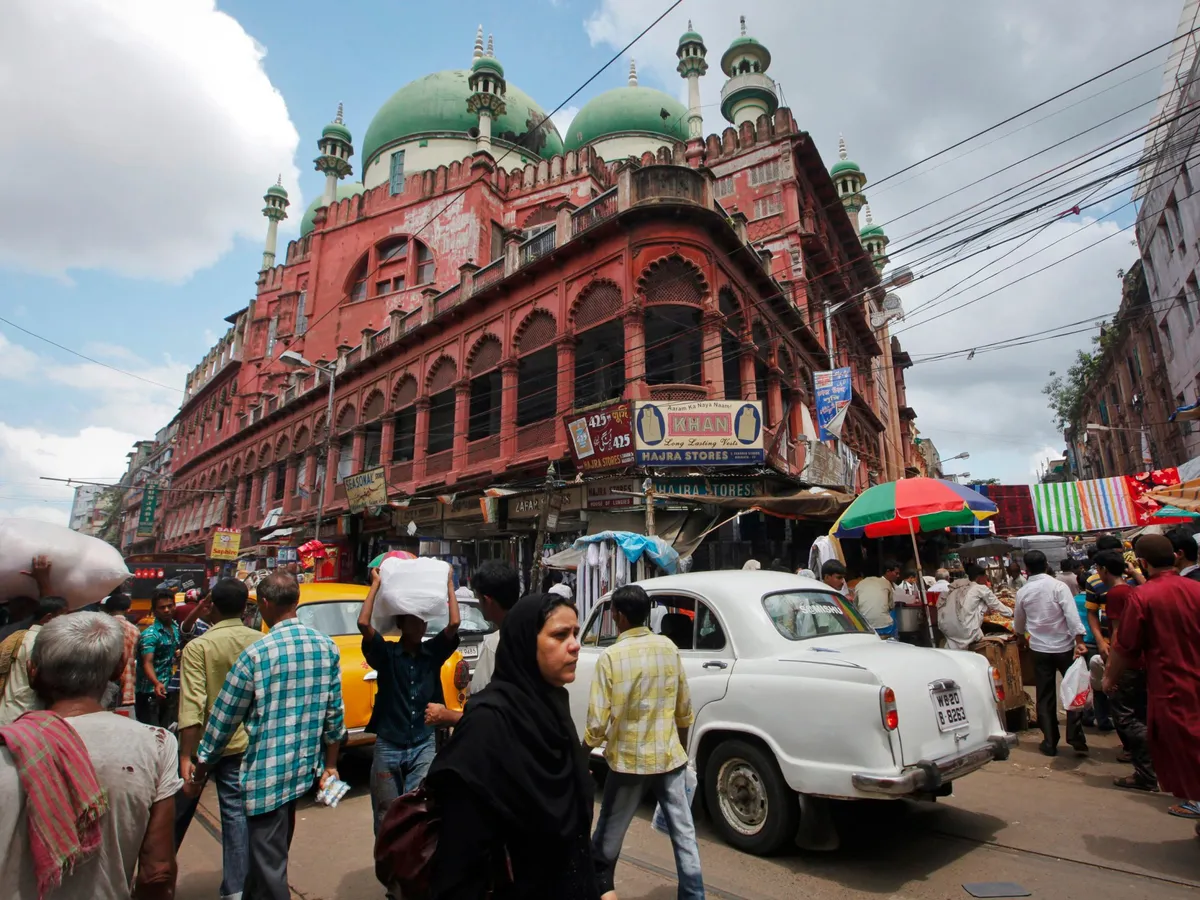
West Bengal, one of India's most politically significant eastern states, is heading toward elections under intense scrutiny after a voter list revision process allegedly stripped millions of residents of their voting rights, with critics and community leaders claiming Muslims have been disproportionately affected.
According to a report by Al Jazeera published on April 16, 2026, the controversial revision has fueled widespread anger among affected communities, opposition politicians, and civil society groups who argue the process was neither transparent nor equitable.
Scale of the controversy
Critics allege that the voter roll changes have resulted in the removal of a substantial number of eligible voters, with Muslim communities - who make up a significant share of West Bengal's population - bearing the brunt of the deletions. Opponents of the revision contend that the process amounts to a form of electoral disenfranchisement targeting a minority group.
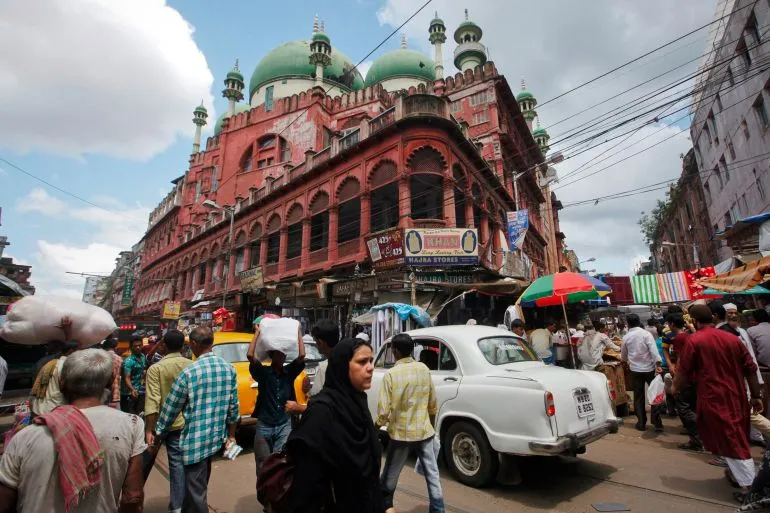
West Bengal has one of the largest Muslim populations of any Indian state, estimated at roughly 27 percent of the total population, making the community a significant electoral constituency in local and national contests.
Competing claims
Authorities responsible for overseeing the voter list revision have not been quoted in the Al Jazeera report as acknowledging any systematic bias in the process. Election officials in India typically maintain that voter roll updates are conducted to remove duplicate entries, deceased voters, and individuals who have relocated, framing such revisions as routine administrative exercises.
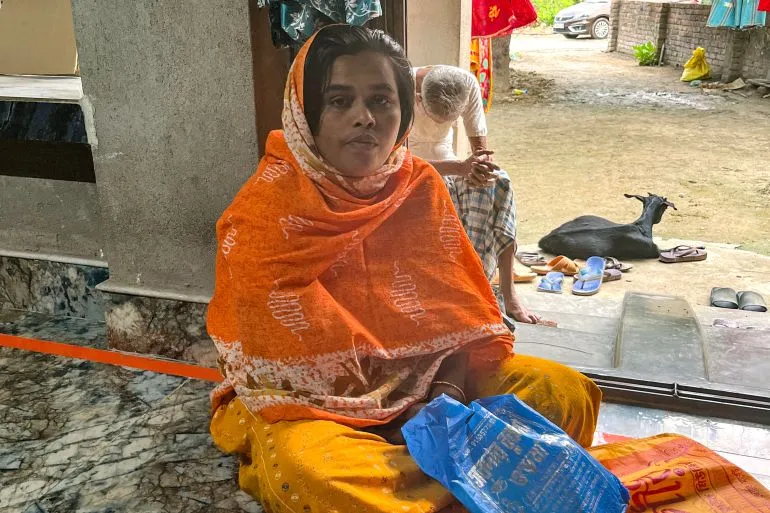
However, opposition parties and community representatives have called for an independent review, arguing that the scale and demographic pattern of the removals suggest something beyond routine housekeeping. Some have demanded that affected voters be reinstated before any election proceeds.
Political backdrop
West Bengal has long been one of India's most fiercely contested political battlegrounds. The state has seen significant shifts in recent years, with the Bharatiya Janata Party challenging the long-standing dominance of regional parties. The voter list dispute adds another layer of tension to an already charged electoral environment.
The issue also arrives in the broader context of national debates over citizenship and identity in India, following years of controversy surrounding legislation such as the Citizenship Amendment Act, which critics have argued marginalizes Muslim communities.
What comes next
Civil society organizations are reportedly exploring legal avenues to challenge the voter list changes, while political opposition groups have called for protests and formal complaints to India's Election Commission.
The situation in West Bengal is being closely watched by analysts and human rights observers as a test of India's democratic institutions and their capacity to ensure free and fair elections for all eligible citizens, regardless of religious or ethnic identity.