A global fertilizer shortage, linked in part to the ongoing conflict in Iran, is threatening food production in multiple regions and forcing farmers to find new ways to sustain their crops, according to a report by Deutsche Welle.
Fertilizers - particularly nitrogen, phosphorus, and potassium-based products - are foundational to modern agriculture. Disruptions to their supply can have cascading effects on crop yields, food prices, and food security, especially in lower-income countries that rely heavily on imports.
Supply chains under pressure
The war in Iran has contributed to significant disruptions in the global fertilizer market, affecting availability and driving up costs for producers worldwide. Farmers in affected regions are reporting difficulties securing adequate supplies at prices they can afford, adding financial pressure to already strained agricultural operations.
The shortage compounds existing vulnerabilities in global food systems that have been exposed in recent years by geopolitical instability, energy price volatility, and climate-related disruptions to harvests.
How farmers are responding
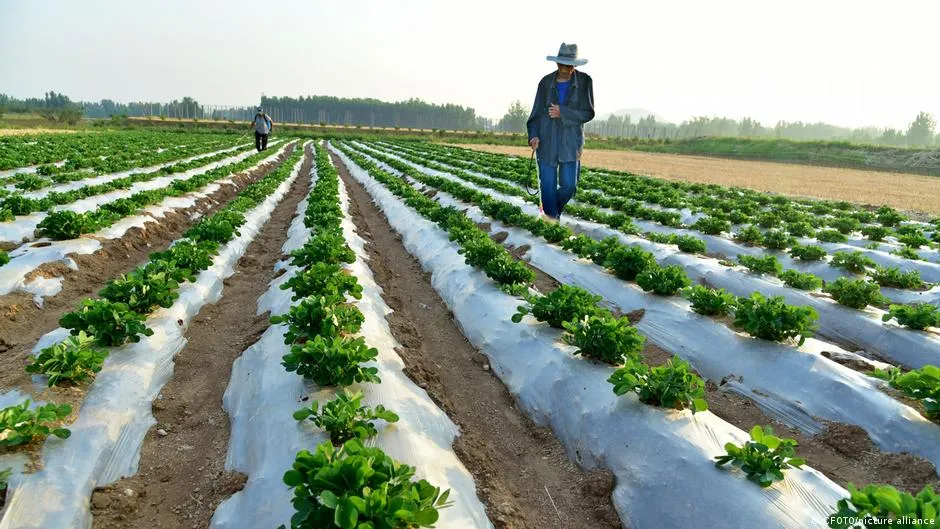
Growers in various countries are turning to a range of alternative strategies to offset the shortfall. These include increased use of organic fertilizers such as compost and manure, crop rotation techniques designed to naturally restore soil nutrients, and precision agriculture methods aimed at applying whatever synthetic fertilizer is available more efficiently.
Some farming communities are also exploring the expanded use of legume crops, which fix atmospheric nitrogen into the soil and can reduce dependence on synthetic inputs over time.
Agricultural experts cited in the DW report note that while these adaptations can help mitigate short-term damage, they are unlikely to fully replace the productivity benefits of conventional fertilizers, particularly for staple crops grown at scale.
Food security concerns
International food security analysts warn that prolonged fertilizer shortages could lead to reduced harvests, pushing up food prices globally and hitting vulnerable populations the hardest. Countries in sub-Saharan Africa, South Asia, and parts of Latin America that depend on food imports or have limited domestic agricultural resources face the greatest risk.
Aid organizations and agricultural development bodies have called on governments and international institutions to coordinate responses, including facilitating access to fertilizer supplies for the most affected regions and investing in longer-term solutions to reduce dependency on volatile global markets.
The situation underscores the degree to which modern food production remains closely tied to geopolitical stability and global commodity flows - a link that policymakers and farming communities alike are being forced to reckon with.