Kazakhstan, already a significant supplier of sunflower meal and durum wheat to the European Union, is pursuing an ambitious strategy to transform its agricultural sector - moving away from raw commodity exports and toward higher-value processed food products, according to a report by Euronews Business.
The Central Asian nation has set 2028 as its target date for value-added products to become the dominant share of its agricultural export portfolio. The plan positions Kazakhstan as a potential regional food processing hub, leveraging its existing role as a major grain and oilseed producer.
A shift in export strategy
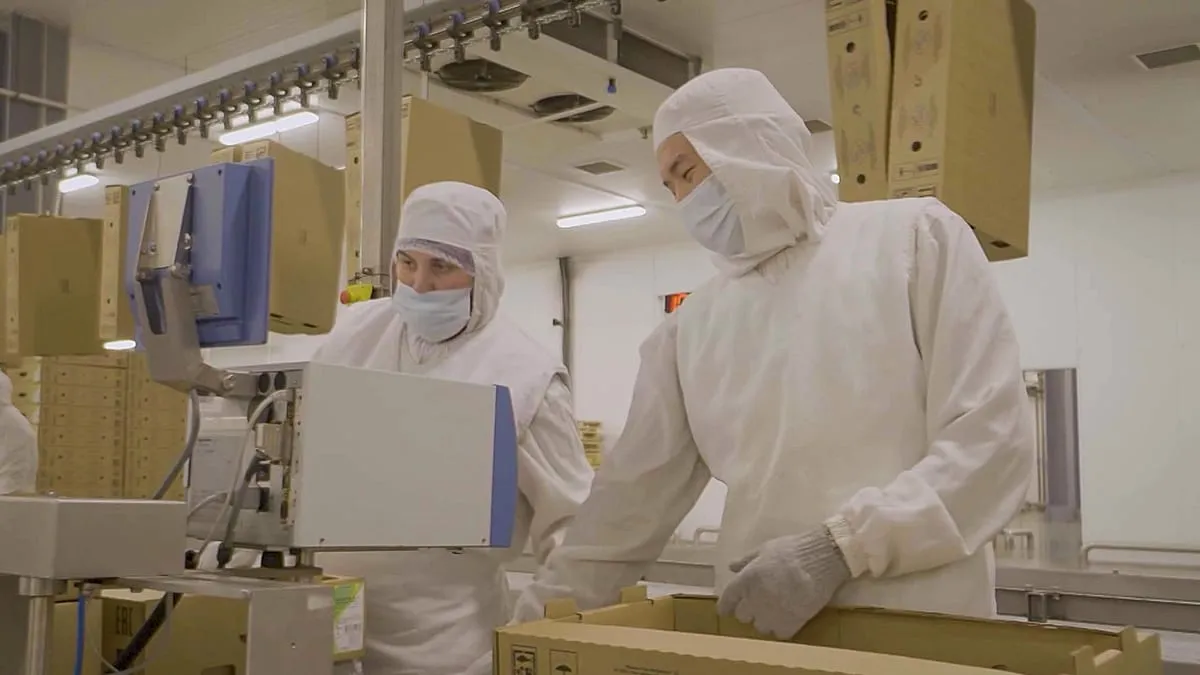
Kazakhstan's push reflects a broader trend among commodity-exporting nations seeking to capture more economic value from their natural resources before they leave the country. Rather than selling raw sunflower seeds or unprocessed wheat, the strategy involves investing in milling, refining, and food manufacturing infrastructure to export finished or semi-finished goods that command higher prices on international markets.
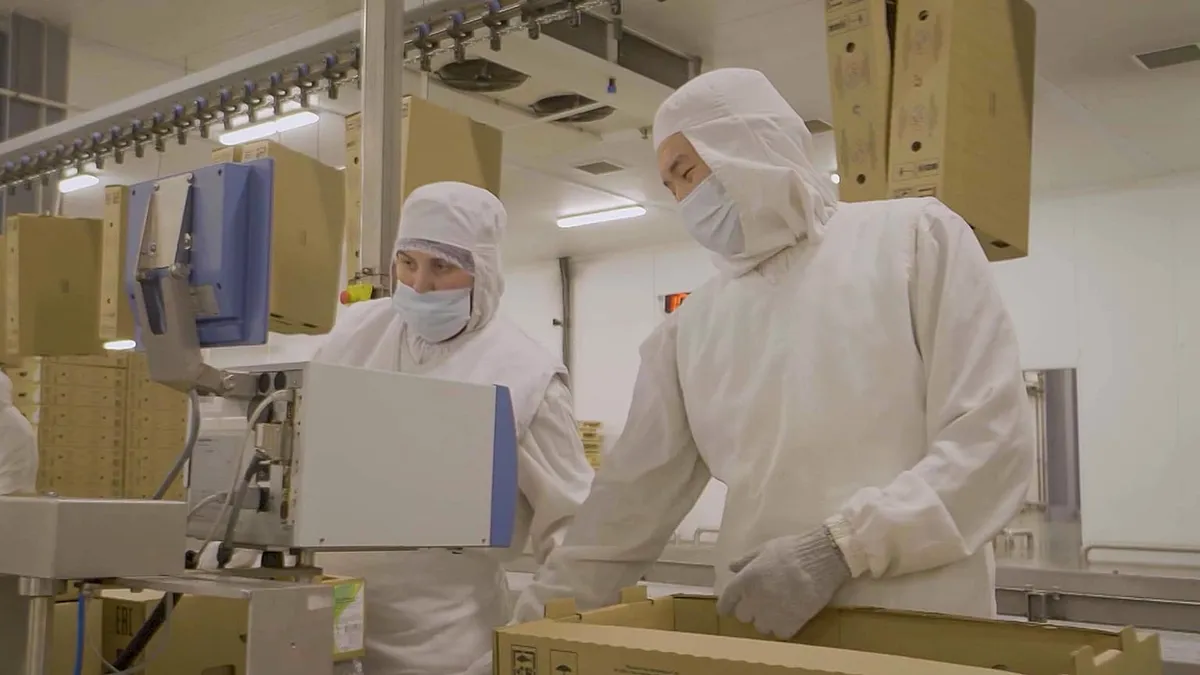
The country already holds a notable position in EU agricultural supply chains, ranking among the bloc's top sources of sunflower meal - a byproduct of oil extraction used in animal feed - as well as durum wheat, the hard grain used to produce pasta and semolina.
Regional ambitions
By developing domestic processing capacity, Kazakhstan aims not only to increase export revenues but also to create jobs and develop industrial expertise within its borders. The strategy would reduce the country's dependence on raw material price fluctuations, which have historically made commodity-export-reliant economies vulnerable to global market swings.
The 2028 deadline suggests the government is working within a defined policy framework, though the Euronews Business report does not detail specific investment figures or the legislative measures being used to drive the transition.

Central Asia's geography gives Kazakhstan potential logistical advantages as a processing hub serving both European and Asian markets, with rail and road corridors connecting it to major consumer regions.
EU trade ties
The European Union's reliance on Kazakhstan for key agricultural inputs makes the country's processing ambitions relevant to European food industry stakeholders. A shift toward processed exports could alter existing supply relationships and pricing dynamics for European buyers currently accustomed to sourcing raw commodities from the region.
Whether Kazakhstan can meet its 2028 target will depend on factors including private investment levels, infrastructure development, and the country's ability to meet international food safety and quality standards required by major importing markets.