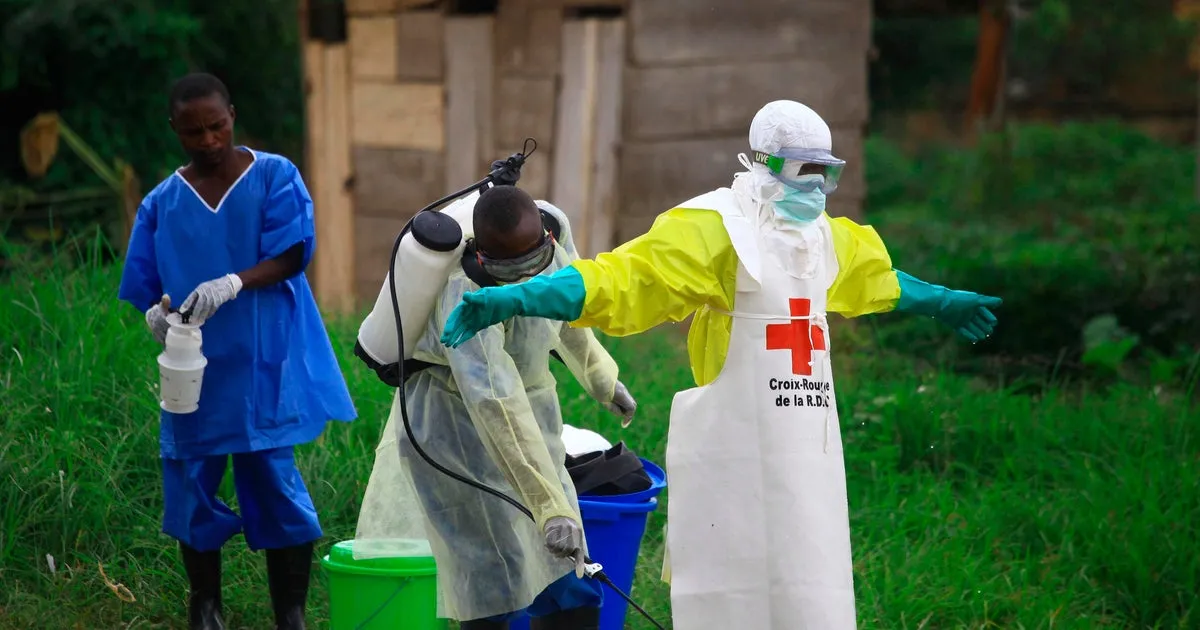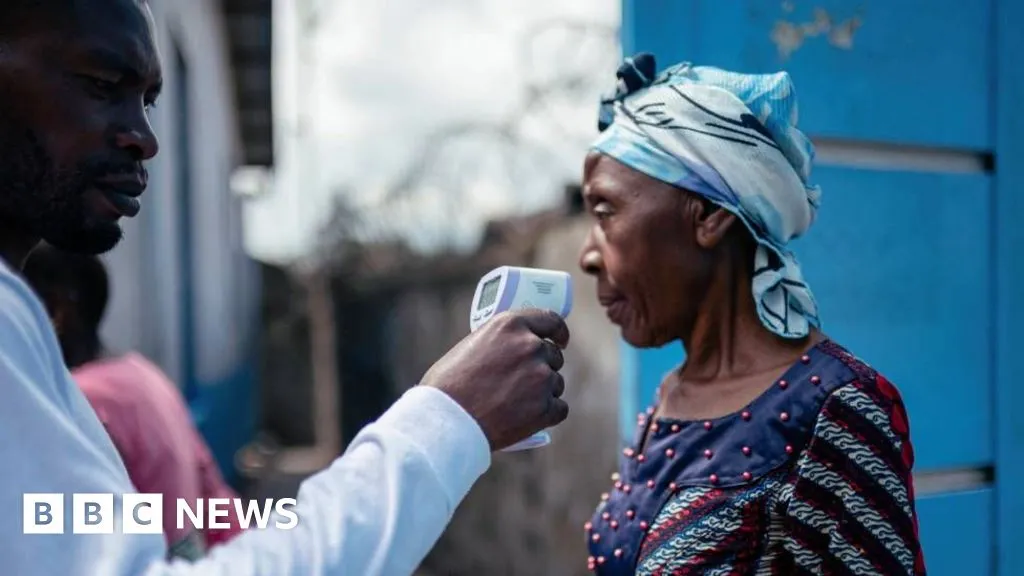
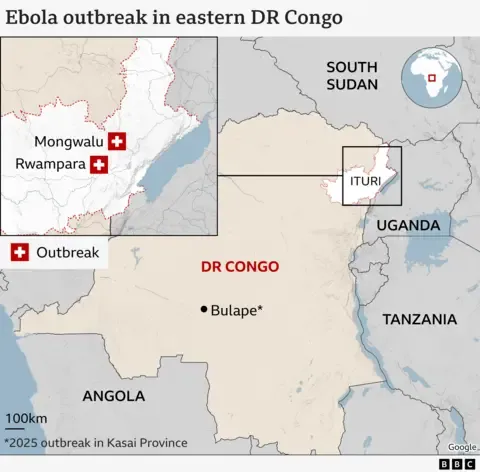
The World Health Organization has officially declared the ongoing Ebola outbreak in the Democratic Republic of Congo a Public Health Emergency of International Concern (PHEIC) - which is the WHO's highest alert level, and the kind of acronym that makes epidemiologists sweat through their lab coats.
According to a BBC report, the outbreak has so far recorded approximately 246 cases and 80 deaths. That is, by any reasonable measure, a very bad time. However, WHO officials were careful to clarify that the situation does not currently meet the criteria for a pandemic emergency - so before you start hoarding toilet paper again, take a breath.
What does a PHEIC actually mean?
Great question, hypothetical reader. A Public Health Emergency of International Concern is essentially the WHO raising its hand in a crowded room and saying: "Hey, everyone, pay attention to this." It is a formal signal to the international community that coordinated global response, funding, and resources need to be mobilized - fast.
The designation is not handed out lightly. Previous PHEICs have included COVID-19, the 2014 Ebola outbreak in West Africa, and the 2022 mpox surge. So yes, the WHO is treating this seriously, even if it is keeping the full pandemic alarm firmly in its holster for now.
Why the DR Congo, and why now?
The DRC has a long and deeply unfortunate history with Ebola - the virus was literally named after a river in the country. The region faces compounding challenges including limited healthcare infrastructure, ongoing armed conflict in parts of the country, and communities that are understandably wary of outside intervention given the area's turbulent history with foreign actors.
All of these factors make containing an outbreak significantly harder than in a country with, say, a robust public health system and no active warzones in the backyard.
So what happens next?
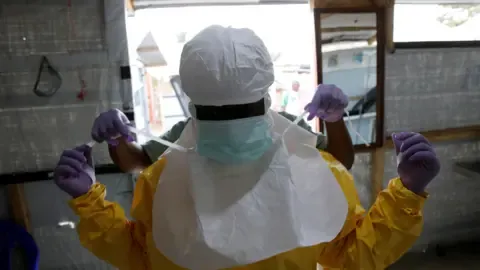
The PHEIC declaration is expected to unlock greater international attention and, crucially, funding and logistical support for the response on the ground. Vaccination campaigns, contact tracing, and treatment center deployment are the main tools in the toolkit.
The WHO will be monitoring the situation closely and reassessing as conditions evolve. The distinction between "health emergency" and "pandemic emergency" may sound like bureaucratic hair-splitting, but it reflects a genuine difference in scale and trajectory - and for now, health authorities are cautiously optimistic that the outbreak can be contained.
As reported by the BBC, the situation is serious but not yet spinning out of control. Stay informed, trust the scientists, and maybe do not book a last-minute trip to the affected regions anytime soon.