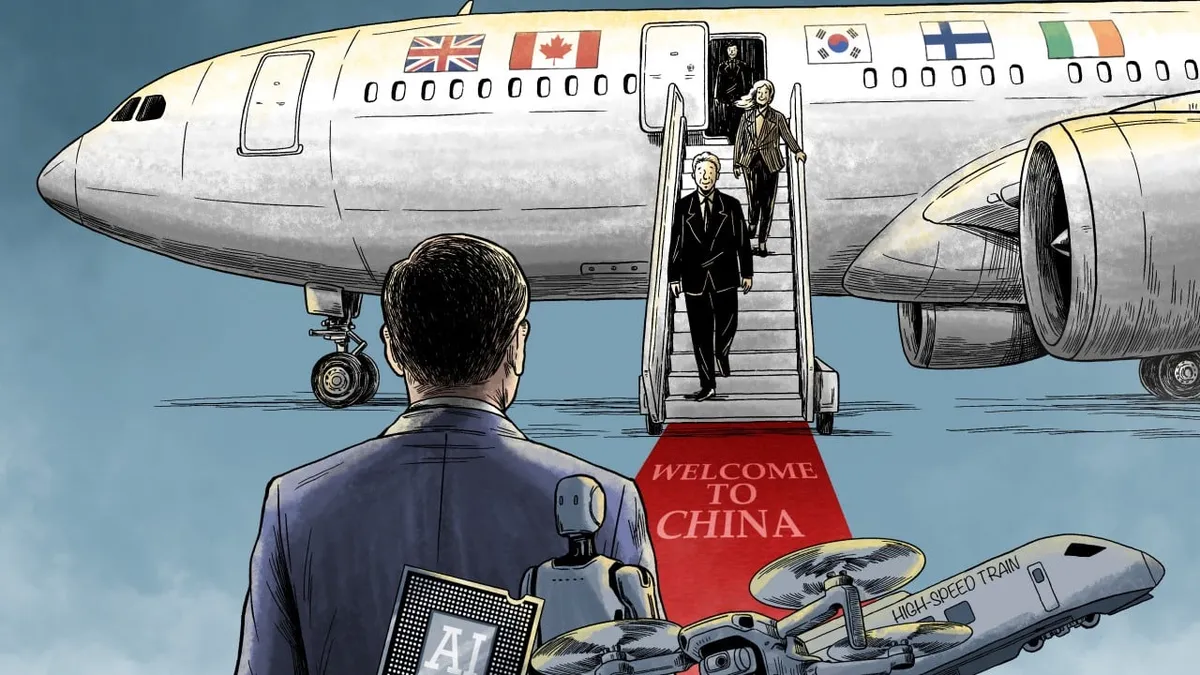
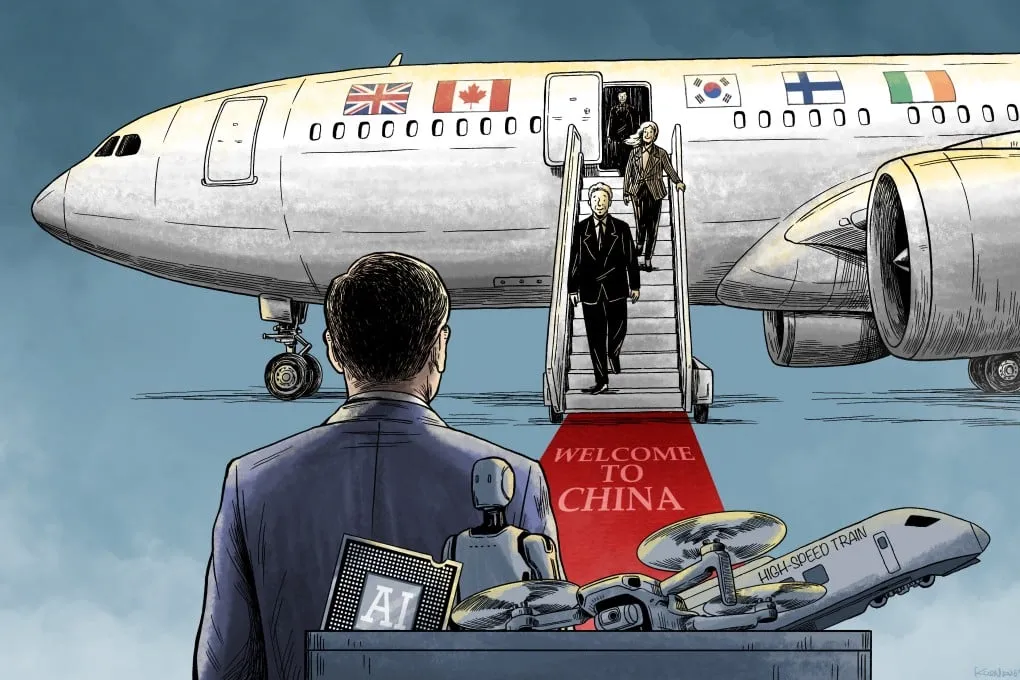
China has quietly but significantly reoriented its diplomatic strategy, with President Xi Jinping conducting far fewer overseas state visits while Beijing instead receives a growing procession of foreign leaders at home, according to data compiled by the South China Morning Post.
The pattern marks a notable departure from earlier years, when high-profile foreign tours were a regular feature of Chinese presidential diplomacy. Analysts and observers say the shift reflects a deliberate recalibration rather than a reduction in diplomatic activity.
Hosting as a show of confidence
By positioning Beijing as the destination rather than the departure point, China's leadership appears to be signaling a stronger sense of geopolitical standing. Welcoming foreign heads of state to the capital allows Beijing to set the agenda, control the optics, and project an image of a power that others seek out.
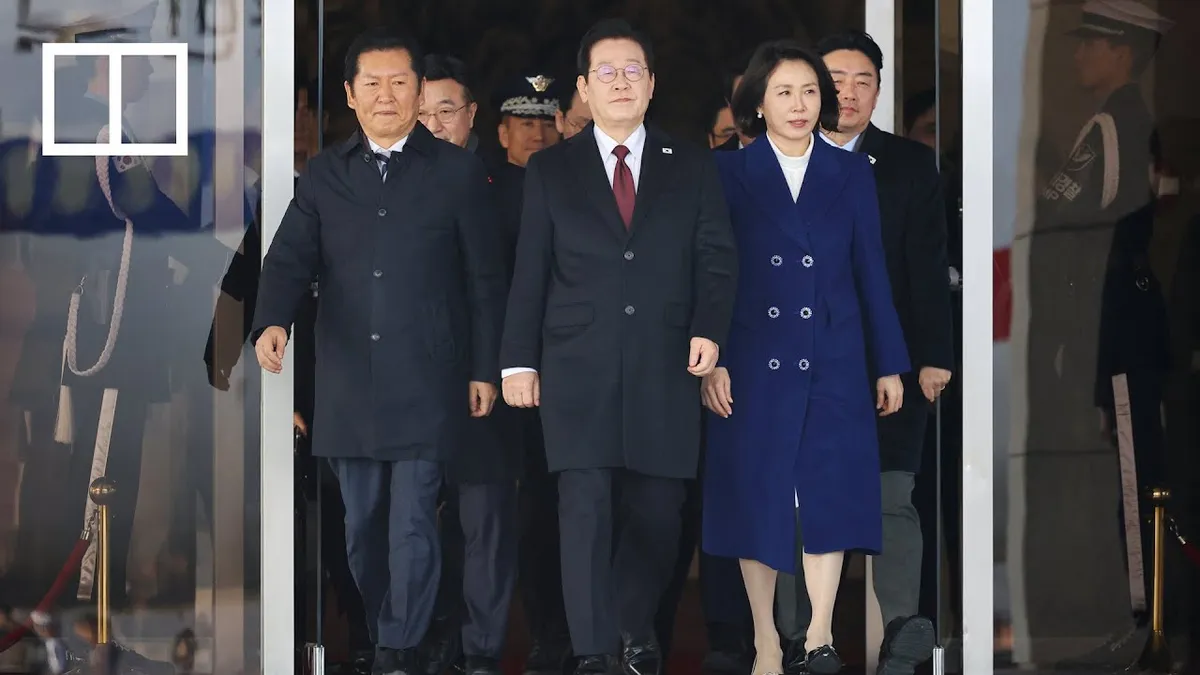
The South China Morning Post's analysis suggests Beijing is placing particular emphasis on two areas: neighbourhood diplomacy with regional partners, and deeper engagement with European middle powers - countries that carry significant economic and political weight without being locked into firm alignment with Washington.
Multilateralism over bilateral tours
The data also points to a preference for high-level multilateral forums over traditional bilateral state visits abroad. Summits, international conferences, and structured multilateral gatherings allow Chinese officials to engage multiple partners simultaneously, potentially amplifying diplomatic returns with fewer logistical and political costs.
This approach comes at a time when China's international relationships are under pressure on multiple fronts, including ongoing tensions with the United States and scrutiny from Western governments over trade practices and regional security concerns. Cultivating ties with European middle powers and Asian neighbours may offer Beijing opportunities to build influence in spaces less defined by great-power competition.
What the shift means
For countries hoping to engage Beijing at the highest level, the practical implication is clear: increasingly, the path runs through the Chinese capital. Foreign leaders who make the trip to Beijing lend the relationship a visibility and prestige that suits China's preferred narrative of global centrality.
Whether the strategy produces durable diplomatic results will depend on how partner nations weigh the benefits of engagement against domestic and international pressures to maintain distance from Beijing. For now, the pattern described by the South China Morning Post suggests China is betting that the queue of visitors to its capital will continue to grow.