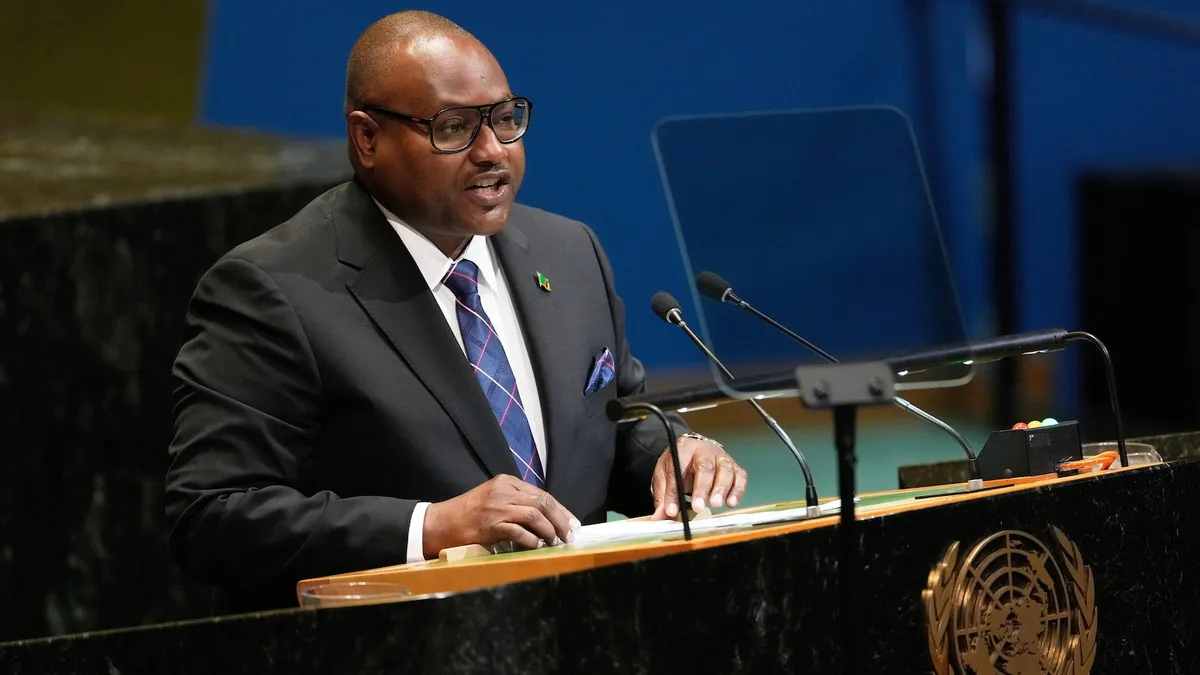
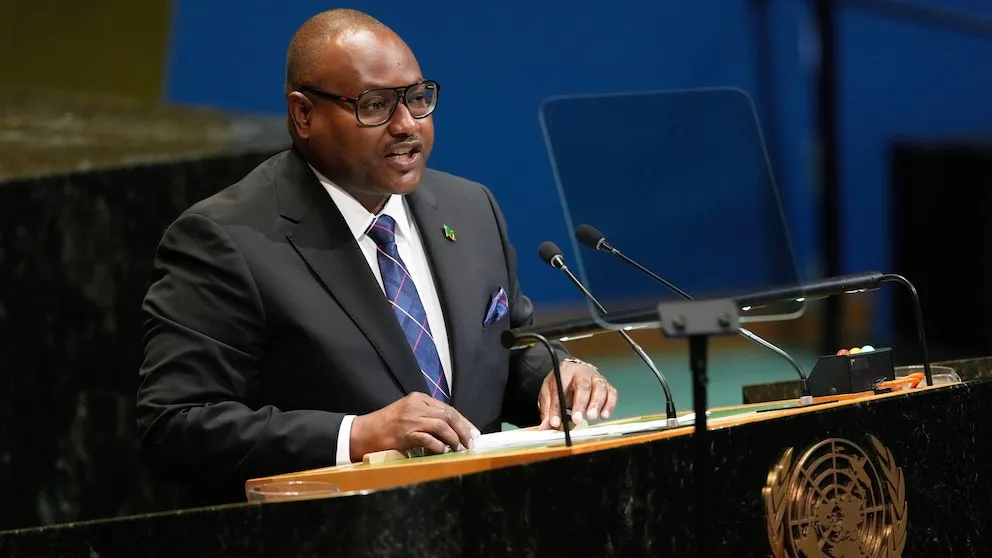
Zambia has publicly condemned a United States proposal that would tie $2 billion in health assistance to access to the southern African nation's critical mineral resources, according to reporting by ABC News.
Zambian officials accused the US of attempting to leverage vital health funding as a bargaining chip to secure rights over the country's substantial mineral wealth, which includes significant deposits of copper and cobalt - resources increasingly sought after for electric vehicle batteries and clean energy technologies.
The Zambian government's reaction was sharply critical, framing the proposal as a form of coercion that conflates humanitarian assistance with commercial and strategic interests. Officials in Lusaka rejected what they described as an unacceptable linkage between the health of Zambian citizens and foreign access to the country's natural resources.
Minerals at the center of the dispute
Zambia holds some of Africa's most significant deposits of copper and other critical minerals that are central to global clean energy supply chains. The country sits within the Copperbelt region, one of the world's largest copper-producing areas, shared with the Democratic Republic of Congo.
The United States, along with other Western nations and China, has been actively competing to secure long-term access to African critical minerals as demand for battery technology and green infrastructure continues to grow. Washington has pursued several mineral partnership agreements across the continent in recent years.
Broader context of US-Africa mineral diplomacy
The dispute comes amid heightened global competition for critical mineral supply chains. The US has sought to counter China's dominant position in African mineral extraction through bilateral agreements and investment initiatives.
However, several African governments have grown increasingly vocal about what they describe as exploitative or conditional arrangements tied to foreign aid and investment. Zambia's public rebuke reflects a broader sentiment among some African nations pushing for resource sovereignty and more equitable partnership terms.
The US government had not issued a detailed public response to Zambia's accusations at the time of reporting, according to ABC News.
The episode adds tension to US-Africa relations at a moment when Washington is seeking to deepen economic ties across the continent, partly through frameworks like the Lobito Corridor infrastructure initiative, which links mineral-rich regions of central Africa to Atlantic ports.