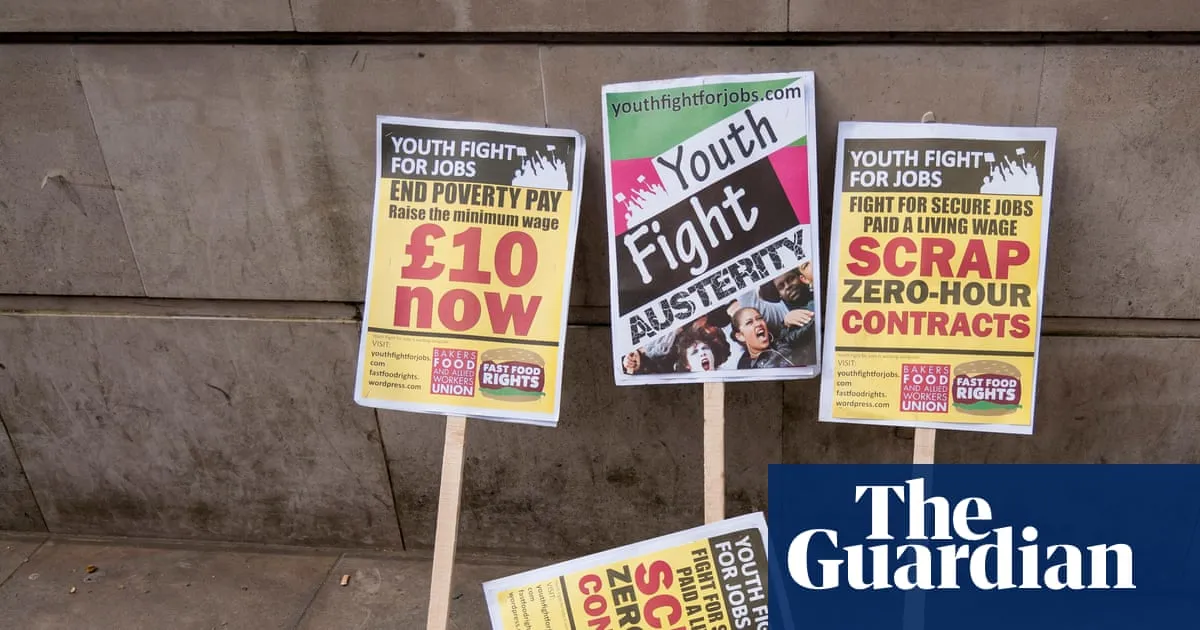
A coalition of campaign groups is basically telling UK ministers to grow a spine and push through a ban on zero-hours contracts, dismissing industry warnings that tougher rules would kill hiring and shut young workers out of the job market.
According to the Guardian, eight organisations - including the Child Poverty Action Group and the TUC, the umbrella body for UK trade unions - co-signed a letter addressed to the Department of Business and Trade. The message? Stop listening to the noise and get on with it.
So what's the actual argument here?
Zero-hours contracts, for the uninitiated, are employment arrangements where workers have no guaranteed hours. You're technically employed, but whether you'll actually work - and therefore eat - this week is anyone's guess. Campaigners argue these contracts trap workers, particularly those in poverty, in a cycle of financial instability with no way to plan ahead.
Business groups have pushed back hard, claiming that imposing stricter rules or an outright ban would make employers hesitant to hire at all, with young people supposedly bearing the brunt of that reluctance. It's a familiar argument - the same one that tends to emerge whenever any labour protection is proposed.
The campaigners are having precisely none of it.

What the coalition is actually calling for
The letter to the government calls on ministers to resist pressure from business lobbying and follow through on commitments to reform or eliminate zero-hours contracts. The signatories - which include some of the UK's most prominent worker and anti-poverty advocacy groups - argue that the evidence simply does not support the claim that banning exploitative contracts leads to mass unemployment.
Their position is essentially that workers deserve basic predictability in their lives, and that the current system disproportionately harms people who are already struggling financially.
Why this matters beyond the headlines
This debate sits squarely within the government's broader Employment Rights Bill, which has been making its way through parliament and promises the most significant shake-up to UK labour law in decades. Zero-hours contracts are one of the flashpoint issues where business interests and worker advocates are in direct, unambiguous conflict.
Whether ministers actually "ignore the noise" - as the coalition put it - or quietly water down the proposals under lobbying pressure will be a real test of how serious this government is about its labour reform agenda.
Considering that political promises about worker protections have a long and storied history of going absolutely nowhere, the campaigners' decision to send a strongly-worded letter feels both entirely reasonable and somewhat optimistic.