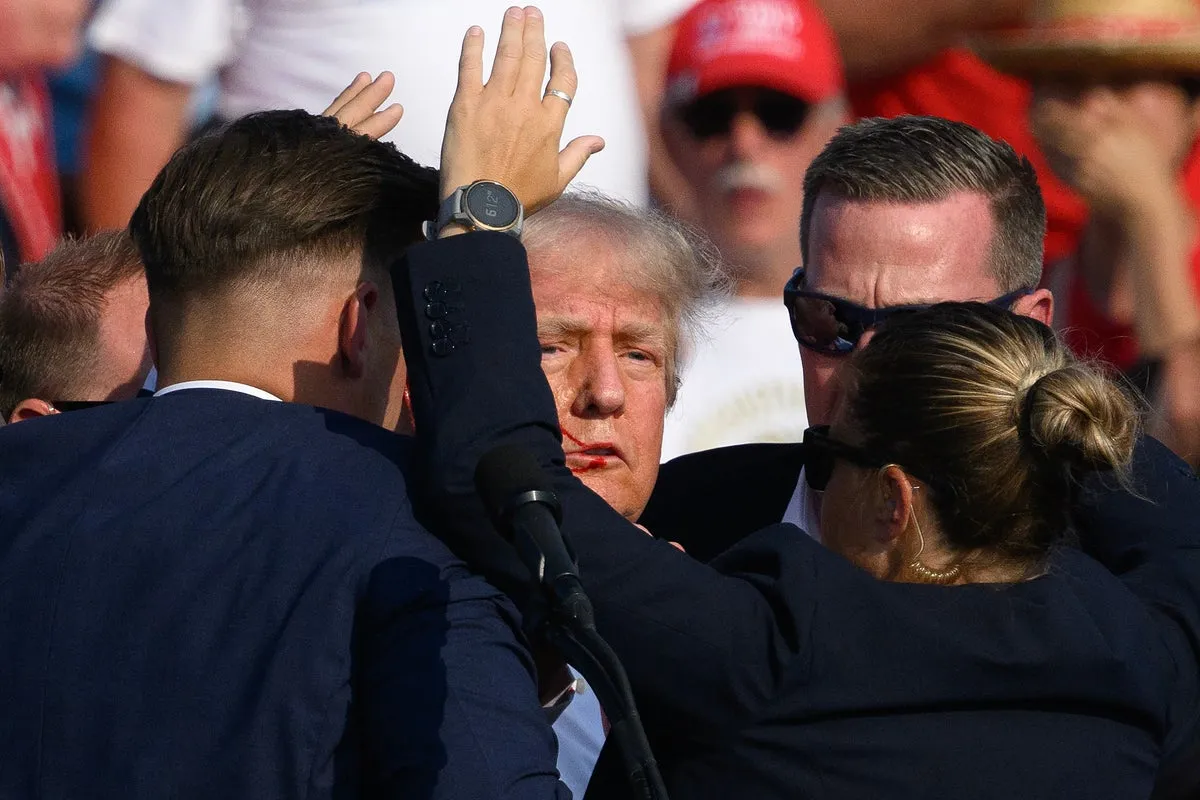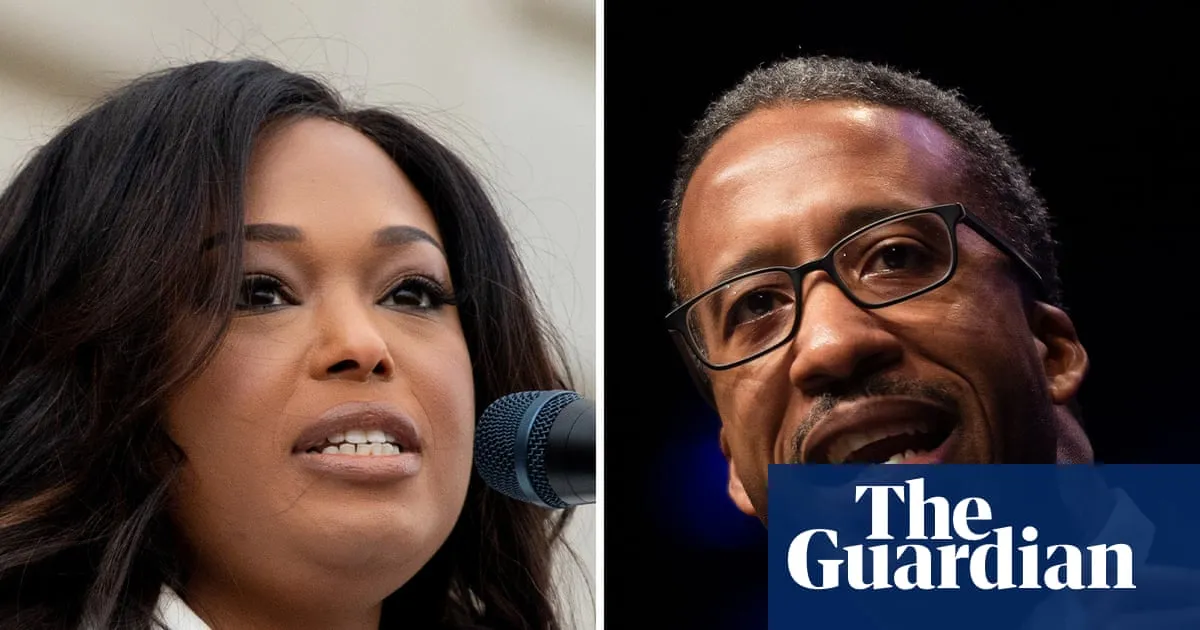
Washington DC is holding its Democratic mayoral primary on Tuesday, and while Donald Trump's name won't appear anywhere on the ballot, he is essentially the invisible co-candidate looming over the entire race. According to The Guardian, the Mar-a-Lago transplant has managed to insert himself into a local election he technically has nothing to do with. Classic.
For the first time in more than a decade, DC residents will be electing a brand new mayor. The outgoing administration leaves behind a city wrestling with very real, very unglamorous issues - public safety, housing affordability, and an increasingly aggressive federal immigration enforcement presence on the streets of the capital itself.
Why this race actually matters (beyond the obvious chaos)
DC occupies a uniquely awkward constitutional position. It is not a state, which means its relationship with the federal government is less 'friendly neighbor' and more 'landlord who owns the building and likes to remind you of that fact.' The Trump administration's posture toward the district has raised the stakes considerably for whoever ends up in the mayor's office.
Candidates have been outlining their approaches to federal immigration enforcement in particular - a thorny issue given that DC has historically maintained sanctuary-style policies, but the federal government operates within the city's borders in ways that simply don't apply to, say, the mayor of Phoenix.
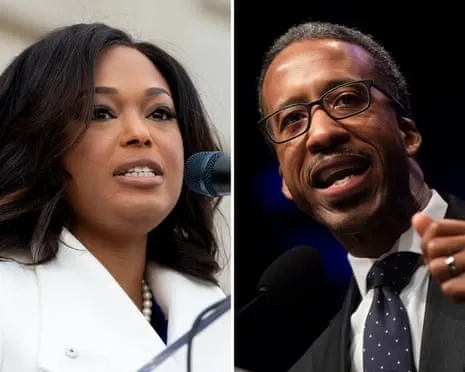
The issues that actually affect people's daily lives
Beyond the political theatre, the next mayor will inherit genuinely difficult urban policy challenges. Housing affordability in DC has been punishing residents for years, with the city's proximity to federal employment and lobbying money keeping prices stubbornly high. Public safety concerns have also been a persistent issue, giving candidates plenty to argue about on the campaign trail.
The combination of local governance headaches and the federal wildcard makes this a particularly complicated job opening. Whoever wins the primary will almost certainly win the general election in one of the most reliably Democratic cities in the country - meaning Tuesday's vote is effectively the election.
So what happens next?
DC voters will pick their candidate on Tuesday, and the winner will spend the next several years navigating the bizarre reality of running a major American city while also being, in some sense, a neighbor to the White House. The candidates have been laying out their Trump-resistance credentials with varying degrees of enthusiasm and specificity.
One thing is clear: whoever takes the job is signing up for something considerably more complicated than typical municipal governance. Good luck to them. They're going to need it.