Picture this: you're a bloc of 27 democracies built on the pillars of human rights, gender equality, and rule of law. Now someone knocks on your door and says, "Hey, want to establish a working relationship with the Taliban?" That, in a nutshell, is the diplomatic migraine the European Union is currently nursing.
According to an analysis published by The Diplomat, Afghanistan's road toward international recognition and meaningful participation in the global community runs - at least partly - through Brussels. The question is whether the EU can develop what analysts are calling a "pragmatic strategy" toward Kabul without completely abandoning its own stated values in the process.
Why Europe can't just look away
Ignoring Afghanistan entirely isn't really an option for the EU, no matter how tempting that might be. The country remains a significant source of refugee flows into Europe, a hotbed for narcotics trafficking, and a potential safe haven for extremist networks. These are problems that don't respect borders, and they certainly don't care about Europe's internal political disagreements.
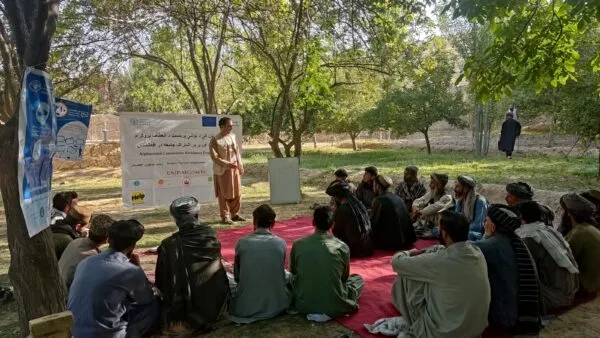
On top of that, there are millions of Afghans - women and girls especially - living under one of the most restrictive regimes on the planet. Humanitarian aid channels, which the EU has historically funded, depend on at least some level of functional engagement with whoever is actually running the country on the ground.
The pragmatism trap
Here is where it gets philosophically thorny. "Pragmatic engagement" sounds reasonable in a conference room in Brussels, but it can quickly slide into de facto legitimization of a government that has systematically erased women from public life, shuttered girls' schools, and banned female NGO workers. Critics of any engagement strategy will argue - not without merit - that talking to the Taliban gives them exactly the credibility boost they have been seeking since retaking Kabul in 2021.
Proponents of engagement counter that isolation hasn't worked either. Years of sanctions and diplomatic cold-shouldering have not convinced the Taliban to reverse a single major policy. Meanwhile, ordinary Afghans bear the cost of economic collapse.
So what's the move?
According to The Diplomat's analysis, the EU's approach will be a significant factor in whether Afghanistan eventually reintegrates into the international community in any meaningful way. That's a hefty amount of responsibility for a bloc that is simultaneously dealing with its own internal fractures, the war in Ukraine, and a transatlantic relationship that has seen better days.
There are no clean answers here. Just a very complicated geopolitical chess board where every move comes with serious moral weight attached.