In a vote that could charitably be described as 'the world getting its act together, sort of,' the United Nations General Assembly backed a landmark climate crisis resolution with a whopping 141 states in favour - a result that experts are calling a genuine turning point in global climate politics.
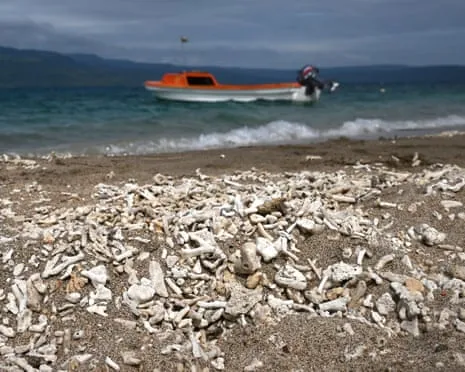
According to The Guardian, the resolution was championed by Vanuatu, a Pacific island nation that, it bears reminding everyone, did not cause climate change but is absolutely first in line to be swallowed by the sea because of it. After the vote, Vanuatu's prime minister declared the result the beginning of a 'new chapter' in climate action - which, honestly, is the kind of thing you say when the previous chapters have been an absolute disaster and you're desperately hoping the plot improves.
So what does this actually mean?
The resolution is being hailed by experts as a significant boost to climate diplomacy and, crucially, climate litigation. In plain English: it becomes legally clearer that states have obligations to protect people from climate harm, which could help activists and affected communities drag polluters and negligent governments into court. Whether those courts will do anything useful is, of course, a whole other article.
The political momentum angle is the part that has specialists quietly optimistic. With 141 states signing on, this isn't a small coalition of usual suspects - it represents a broad cross-section of the international community signalling that climate change is not a fringe concern but a mainstream legal and political priority.
The 'yes, but' section you knew was coming
As is tradition in climate journalism, the good news comes with caveats. Experts are careful to distinguish between 'political momentum' and 'actual emissions reductions.' A UN resolution, however landmark, does not build a seawall or phase out a coal plant. The challenge, as Vanuatu's prime minister framed it, is translating legal clarity into meaningful action - a sentence that could double as the tagline for the entire 30-year history of international climate negotiations.
Still, legal clarity matters. It changes the terrain for litigation, it shifts diplomatic conversations, and it makes it harder for bad actors to claim there is no consensus. For small island states facing existential risk, that is not nothing. It might even be something.
The world voted. Now it has to actually do the thing.