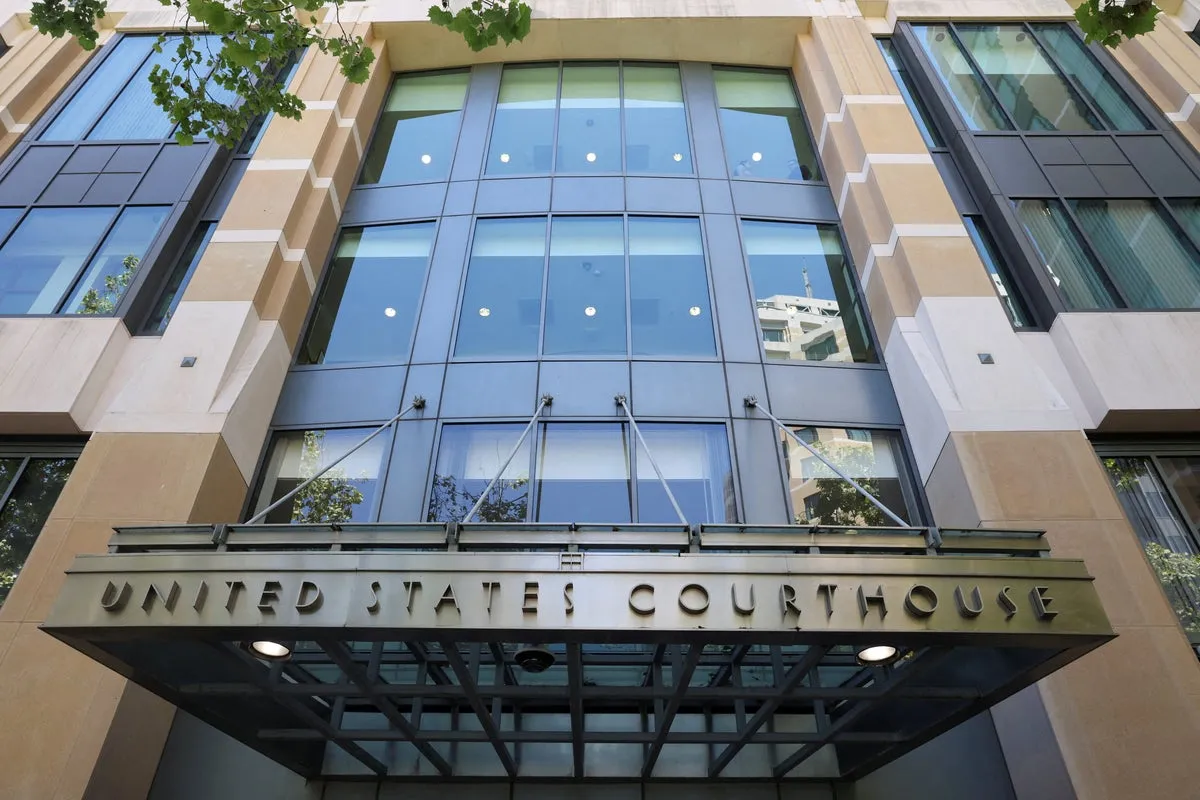
In what legal experts are calling either a bold judicial move or an absolute constitutional nightmare (depending on who you ask), a federal judge has ruled that the Department of Justice can deploy a military lawyer to prosecute a civilian in a criminal case - a decision that is raising more than a few eyebrows across the legal community.
According to The Independent, the case centers on Paul Johnson, a Minnesota resident charged with assaulting a Customs and Border Protection agent. Straightforward enough on its face - until the DOJ decided to assign a military JAG (Judge Advocate General) lawyer to handle the prosecution of this decidedly non-military civilian.
Why does this matter?
America has long operated under a firm legal tradition separating military and civilian justice systems. The idea of a uniformed military attorney standing up in a civilian court to prosecute a regular citizen is the kind of thing that gets constitutional law professors very sweaty and animated at dinner parties.
The ruling is being described as a landmark decision, and for good reason. If upheld, it could signal a meaningful shift in how the Trump administration - which has been aggressively expanding the use of military resources in domestic law enforcement contexts - approaches civilian prosecutions.
The bigger picture
This ruling does not exist in a vacuum. The Trump administration has made no secret of its interest in using military assets more broadly in domestic settings, from deploying troops to the southern border to floating military involvement in immigration enforcement operations. Critics argue that blurring the line between military and civilian legal processes is a step in a very uncomfortable direction.
Supporters, on the other hand, might argue this is simply about efficiently deploying available legal resources - JAG lawyers are, after all, highly trained attorneys. Whether that framing holds up under constitutional scrutiny is another matter entirely.
What happens next?
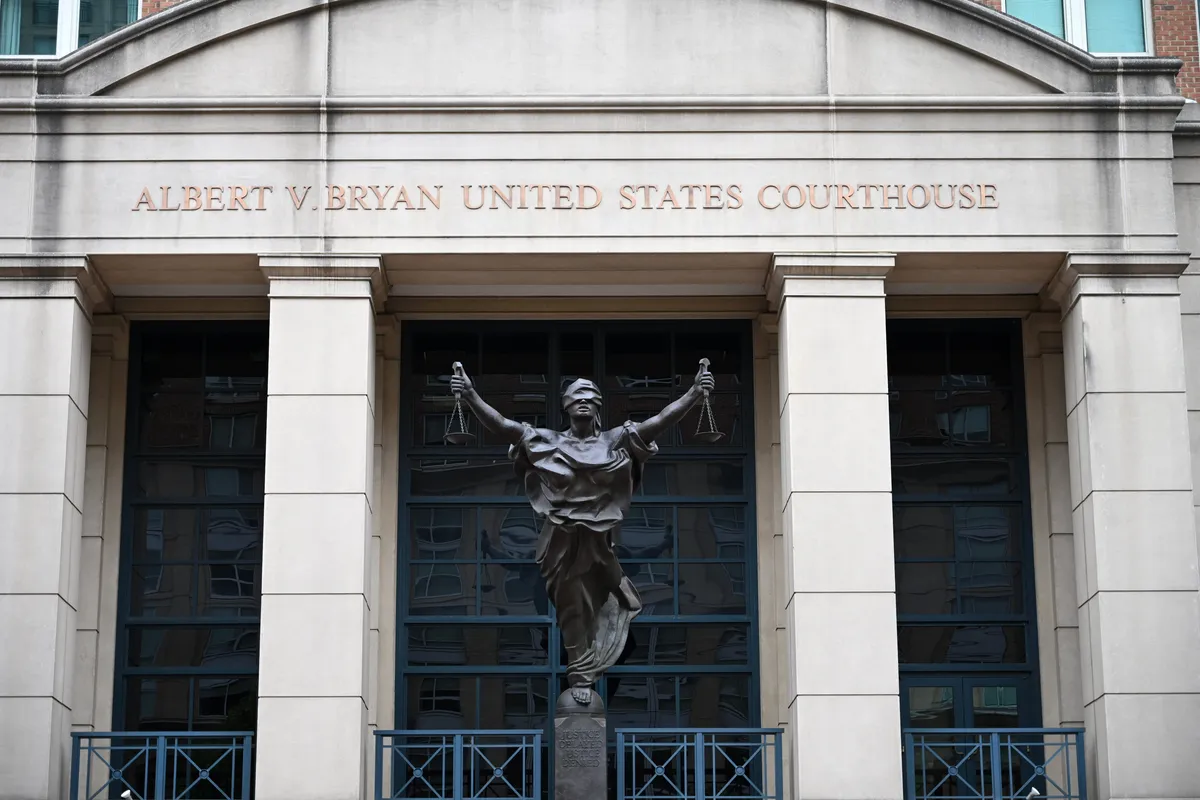
The ruling is almost certainly headed for appeal, and legal observers will be watching closely to see whether higher courts agree that this kind of military-to-civilian legal crossover passes muster. The Johnson case, which started as a relatively unremarkable assault charge, has accidentally become a constitutional test case for the ages.
Nobody tell Paul Johnson he's now famous for all the wrong reasons.